Snorkelling Holidays: Best Destinations for Clear Water and Easy Reefs
Snorkelling Holidays: Best Destinations for Clear Water and Easy Reefs
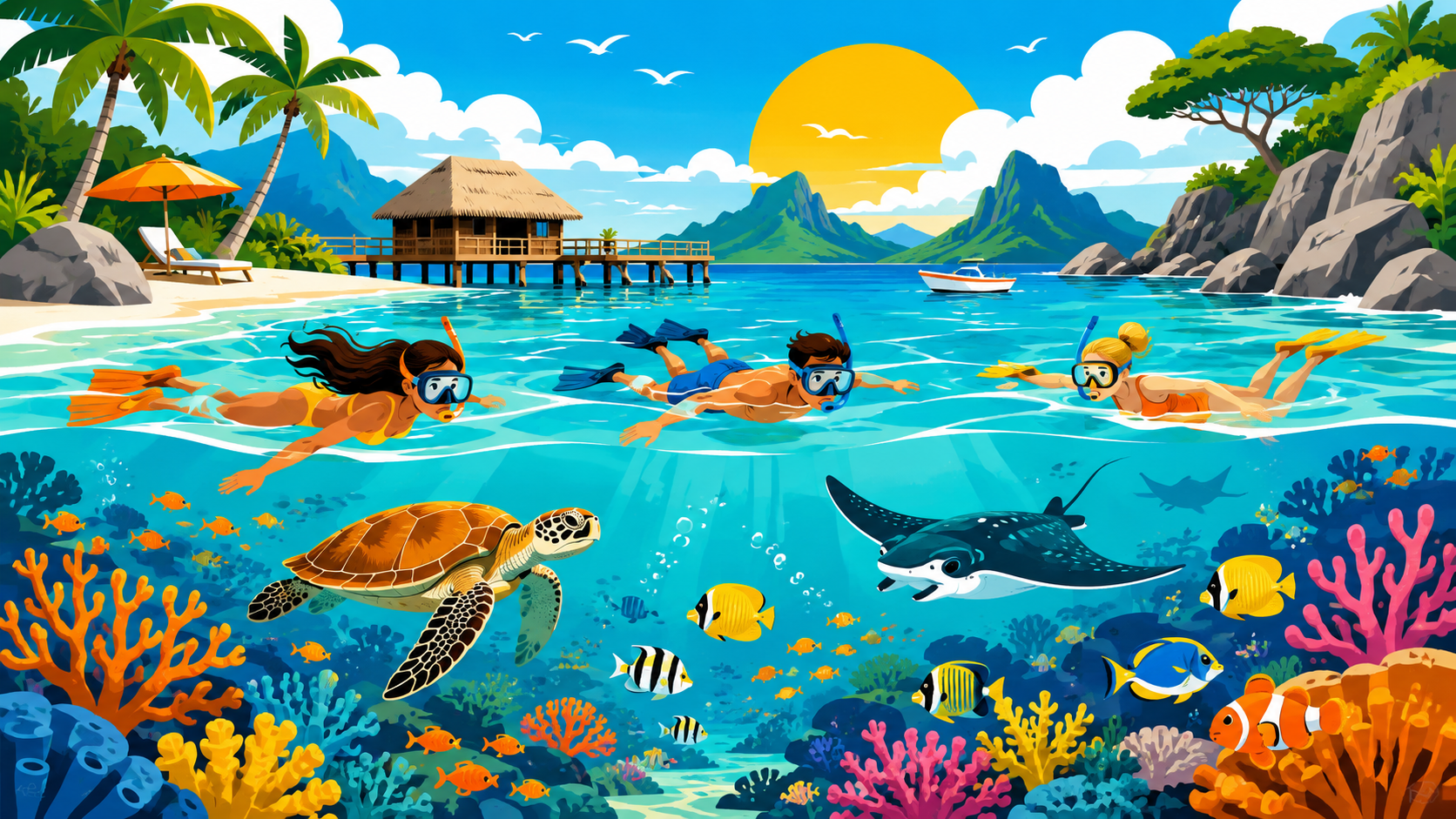
The best snorkelling holidays offer far more than warm water and a beautiful beach. The quality of your experience depends on where the reef is, how easily you can reach it, whether currents are likely, how deep the coral sits and how conditions change with the season.
A destination may be famous for scuba diving yet offer limited snorkelling directly from the beach. Another may have a shallow lagoon that looks idyllic in photographs, but require a long swim or boat trip before you reach healthy coral.
That is why choosing the right country is only the beginning. The exact island, coastline, resort and even beach can determine whether you enjoy effortless shore snorkelling every day or spend most of your holiday waiting for organised excursions.
This guide compares the best snorkelling holiday destinations for UK travellers, from short-haul Red Sea resorts to tropical house reefs in the Maldives. It also explains which places suit beginners, families, confident swimmers and travellers seeking exceptional marine wildlife.
What Makes a Destination Good for a Snorkelling Holiday?
Clear water is important, but visibility alone does not create a good snorkelling experience. A stretch of sea can be beautifully transparent yet contain little coral, few fish or no safe way to enter the water.
Clear Water Is Not the Same as Easy Snorkelling
A clear water snorkelling destination may still be unsuitable for a beginner if the reef is deep, the entry is difficult or the current runs strongly along the coast. Similarly, a beach with slightly lower visibility can provide a better overall experience when coral and marine life are close to shore in calm, shallow water.
The most useful comparison is therefore not simply “Which destination has the clearest sea?” but “Where can I comfortably reach interesting marine life at my own ability level?”
The strongest snorkelling destinations combine several features.
Clear and relatively calm water
Good visibility allows you to see coral formations, tropical fish and larger marine life without diving beneath the surface. However, visibility can vary with wind, rainfall, plankton, tides and recent storms.
No destination can guarantee perfectly clear water every day. Seasonal averages are useful, but local conditions should always be checked.
Shallow reefs
The most rewarding reefs for snorkellers usually sit close enough to the surface for sunlight to illuminate the coral. If the reef lies too deep, it may be excellent for scuba diving but less impressive when viewed from above.
A shallow coral garden, sheltered reef flat or gently sloping reef edge is often better for beginners than a dramatic offshore drop-off.
Easy water entry
The simplest access is usually from:
- A gently shelving sandy beach.
- A marked channel through a reef.
- A resort jetty with steps into deeper water.
- A sheltered cove.
- A supervised house-reef entry point.
Rocky entries, waves, sharp coral and slippery platforms can make otherwise excellent snorkelling unsuitable for nervous swimmers or young children.
Manageable currents
Current is one of the most overlooked factors when choosing a snorkelling resort. Calm-looking water can still move steadily along the reef, making it difficult to return to your entry point.
Some locations are designed for drift snorkelling, where a boat collects swimmers farther along the reef. These experiences can be exceptional, but they are better suited to confident snorkellers following an experienced guide.
Healthy marine life
The best places to snorkel may contain:
- Coral gardens.
- Reef fish.
- Sea turtles.
- Rays.
- Octopus.
- Reef sharks.
- Seahorses.
- Dolphins.
- Whale sharks or manta rays in certain seasons.
Wildlife sightings are never guaranteed, and coral health can vary between neighbouring reefs. Responsible operators should be honest about current conditions rather than relying on old photographs.
Suitable accommodation
A hotel described as a snorkelling resort may have a genuine house reef, or it may simply arrange boat excursions.
Before booking, establish whether the best snorkelling is:
- Directly in front of the hotel.
- At the edge of a large lagoon.
- Reached by jetty.
- Available only at particular tides.
- Accessible exclusively by boat.
This distinction can completely change the style and cost of your holiday.
Understanding House-Reef Descriptions
Resort descriptions often use reef terminology without explaining what it means:
- A fringing reef grows close to the island or coastline and may allow easy shore access.
- A lagoon is the sheltered water between the beach and the outer reef. It can be ideal for beginners, although the coral may be some distance from shore.
- A reef flat is a shallow section of reef that may become difficult or impossible to cross safely at low tide.
- The reef edge is where the shallow reef begins to slope into deeper water and often supports more visible marine life.
- A drop-off is a steeper descent into deeper water. It can be spectacular but may feel intimidating to nervous swimmers.
- Jetty access allows snorkellers to enter beyond a shallow reef platform without walking across coral.
- A boat-only reef cannot be reached safely from the beach and requires an organised excursion.
When comparing the best house reefs, ask for a recent access description rather than relying only on aerial photographs or older guest reviews.
Best Snorkelling Holiday Destinations at a Glance
Sea conditions vary by exact island, coastline, resort, weather and season, so these ratings should be treated as practical planning guidance rather than guarantees.
Reef Access and Ease Comparison
| Destination | Typical water clarity | Main reef access | Typical reef profile | Current and tide considerations | Ease rating | Family suitability |
|---|---|---|---|---|---|---|
| Maldives | Very good to excellent | Beach, marked channel, jetty or boat | Shallow lagoon, fringing reef and reef edge | Low to moderate current; tide can affect shallow entries | Easy with the correct resort | High where there is a sheltered lagoon and supervised access |
| Red Sea, Egypt | Often excellent | Beach, jetty or boat | Shallow reef platform leading to a reef edge or drop-off | Wind and current vary; jetties may close in rough conditions | Easy with local guidance | High at carefully selected sheltered resorts |
| Seychelles | Good to excellent | Beach, rocky cove or boat | Shallow bays, granite formations and reef patches | Seasonal swell can affect exposed beaches; some entries are tide dependent | Easy to moderate | Medium to high, depending on the island and beach |
| Mauritius | Good, but variable within lagoons | Beach, lagoon or boat | Shallow lagoon with the main reef sometimes farther offshore | Usually gentle inside protected lagoons; depth and access change with tide | Very easy at a suitable lagoon resort | High |
| Bonaire and Curaçao | Good to excellent | Shore or boat | Fringing reef, rocky coast and accessible drop-offs | Currents are often manageable but vary by site; rocky entry is a bigger issue than tide | Moderate | Medium, although selected sheltered bays work well for families |
| Belize | Good to excellent | Mainly boat | Coral gardens, barrier reef, cayes and atolls | Local current varies; guided access is usually the simplest option | Easy with a guide | Medium to high |
| Greece, Cyprus, Malta and the Canary Islands | Usually clear, although not tropical reef water | Beach, rocky cove, platform or boat | Rocky habitat, seagrass, volcanic formations and caves | Local wind, swell and rocky access matter more than tide at many sites | Easy to moderate | Medium to high at sheltered beaches |
| Mexico | Good to excellent at the right sites | Beach, cenote or boat | Caribbean reef, sheltered bay, freshwater cenote or open-water wildlife site | Conditions range from calm bays to moving open water | Easy at resort sites; specialist guidance for wildlife trips | High at suitable Riviera Maya and island resorts |
| Galápagos Islands | Variable but often rewarding | Mainly guided boat or shore excursion | Rocky reef, open water and wildlife-rich channels | Cooler water and stronger currents are possible | Specialist guided experience | Medium; better for older children and confident swimmers |
| Indonesia and the Philippines | Very good to excellent | Resort reef, boat or liveaboard | Shallow coral gardens, reef edges and deeper channels | Currents can be strong and tides may determine when a site is safe | Moderate to advanced | Site specific |
| Australia and Fiji | Very good at suitable reef sites | Boat, pontoon, island resort or house reef | Coral bommies, island reefs and barrier-reef systems | Conditions vary by region and operator; some outer reefs are exposed | Easy with guidance to moderate | High at pontoons and sheltered island resorts |
Timing, Wildlife and Holiday Style Comparison
| Destination | Conditions are often most favourable | Typical marine-life highlights | Travel effort from the UK | Best-suited holiday style |
|---|---|---|---|---|
| Maldives | January to April is typically drier, although conditions and wildlife vary by atoll | Turtles, rays, reef sharks, tropical fish, manta rays and whale sharks in relevant regions | Long-haul plus resort transfer | Seven to fourteen-night resort holiday, honeymoon, family stay or luxury snorkelling holiday |
| Red Sea, Egypt | March to May and September to November often balance warmth and comfortable air temperatures; snorkelling is possible year-round | Reef fish, turtles, rays, moray eels and occasional dolphins | Short to medium-haul | Seven-night winter-sun or all-inclusive holiday |
| Seychelles | April to May and October to November often bring calmer transitional conditions, although coastlines differ | Reef fish, turtles, rays and granite-cove marine life | Long-haul | Luxury beach holiday, honeymoon or island-hopping itinerary |
| Mauritius | October to December and April to May often offer a useful balance of warmth and calmer water | Reef fish, turtles, rays and lagoon marine life | Long-haul | Family resort, honeymoon, all-inclusive or multi-generational holiday |
| Bonaire and Curaçao | Generally possible year-round, subject to local wind and sea conditions | Parrotfish, angelfish, turtles, rays, moray eels and seahorses at suitable sites | Long-haul | Independent shore-snorkelling holiday or mixed diving and snorkelling trip |
| Belize | December to May is generally drier, although wildlife seasons and sea conditions vary | Nurse sharks, rays, turtles, reef fish and coral gardens | Long-haul with onward transfer | Tailor-made reef, rainforest and cultural itinerary |
| European destinations | June to September usually provides the warmest Mediterranean water; the Canary Islands can work throughout the year | Fish, octopus, seagrass, rocky habitats and volcanic formations | Short-haul | Seven-night family beach holiday, self-catering break or short escape |
| Mexico | November to April is often drier on the Caribbean coast; specialist whale shark trips operate seasonally | Turtles, reef fish, rays and seasonal whale sharks | Long-haul | Resort holiday, family trip or wildlife-led tailor-made itinerary |
| Galápagos Islands | December to May is generally warmer; June to November brings cooler, nutrient-rich water and different wildlife conditions | Sea lions, turtles, rays, penguins and other distinctive wildlife | Very long-haul and usually multi-stage | Specialist expedition or touring holiday |
| Indonesia and the Philippines | Highly destination specific; many Indonesian regions favour April to October, while parts of the Philippines are often calmer from November to May | Exceptional coral diversity, turtles, rays and dense tropical fish life | Very long-haul with domestic connections or boat transfers | Tailor-made adventure, specialist resort or liveaboard |
| Australia and Fiji | May to October is often drier in many reef regions, but timing should be checked for the exact island or coast | Coral gardens, turtles, rays, reef fish and larger marine species | Very long-haul | Longer touring holiday, island resort stay or Pacific combination |
There is no single destination that is best for everyone. A family wanting a calm, shallow lagoon has different needs from an experienced swimmer hoping to join a drift snorkel or see large marine wildlife.
What UK Travellers Should Consider
For UK travellers, the ideal destination also depends on how much of the holiday you are prepared to spend travelling. The Red Sea and European destinations can work well for a standard seven-night break, while the Maldives, Mauritius and Seychelles often justify seven to fourteen nights. Belize, Indonesia, Australia, Fiji and the Galápagos usually make more sense as longer or multi-centre itineraries.
Families travelling during school holidays should consider seasonal weather, flight availability, transfer time and whether children will genuinely use the reef. Family snorkelling holidays are often most successful when easy water access is combined with pools, children’s facilities and activities for non-snorkellers.
Board basis matters too. An all-inclusive resort can simplify costs when most days will be spent on one island, while a tailor-made itinerary may be better for travellers combining reefs, wildlife and culture. Beginner snorkelling holidays should prioritise supervision and sheltered access rather than simply choosing the destination with the most famous marine life.
Before travelling, check current entry requirements, health guidance and FCDO travel advice. Financial protection and suitable travel insurance should also be confirmed at the time of booking.
Best Overall Snorkelling Holiday: The Maldives
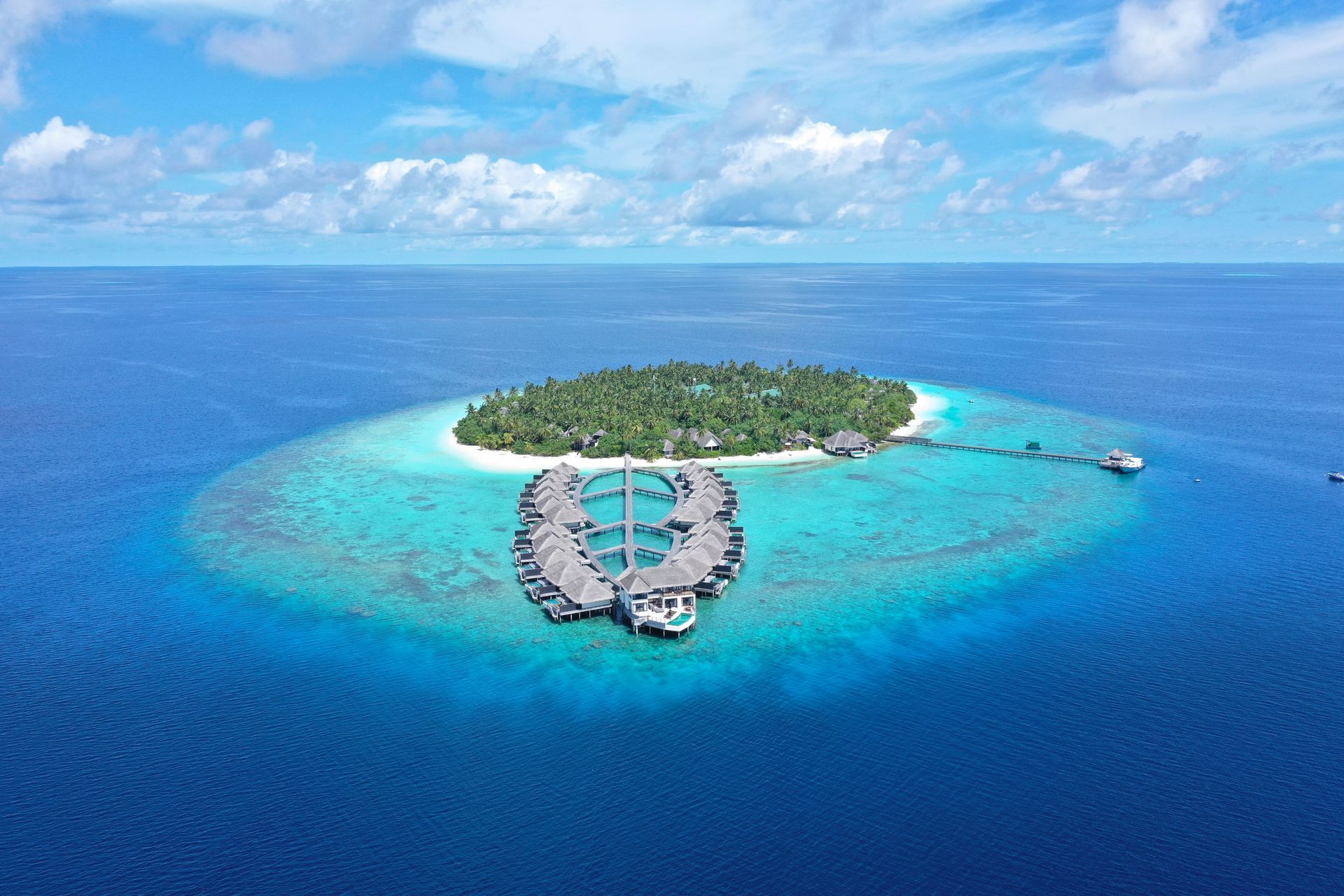
The Maldives remains one of the strongest choices for a dedicated snorkelling holiday because many islands have coral reefs close to the accommodation.
A genuine house reef allows guests to snorkel without joining a boat excursion each time. Depending on the resort, access may be from the beach, a marked channel or steps leading from a jetty.
Marine life can include:
- Butterflyfish and angelfish.
- Parrotfish.
- Eagle rays.
- Reef sharks.
- Moray eels.
- Turtles.
- Manta rays and whale sharks in particular regions and seasons.
The crucial point is that Maldivian islands are not interchangeable. Some resorts have excellent reef access within a short swim, while others are surrounded by a broad sandy lagoon. A lagoon can be perfect for families and less confident swimmers, but the healthiest reef may sit much farther from shore.
Before booking, ask for recent information about the specific house reef rather than relying on the Maldives’ general reputation.
Who the Maldives suits
The Maldives can work particularly well for:
- Couples seeking a luxury snorkelling holiday.
- Families wanting a self-contained island resort.
- Beginners who prefer guided house-reef sessions.
- Experienced snorkellers looking for regular marine-life encounters.
- Mixed groups where some guests snorkel and others prefer the beach or spa.
Things to consider
Transfers can add significantly to the overall journey and holiday cost. Some resorts are reached by speedboat, while others require a domestic flight or seaplane.
Seasonal weather patterns also affect sea conditions differently across the atolls. A knowledgeable travel consultant should match the resort, transfer type, board basis and reef access to your priorities.
For more inspiration across resort reefs, tropical islands and wildlife-led escapes, explore our guide to Best Snorkelling Holidays.
Best Short-Haul Snorkelling Holiday from the UK: The Red Sea
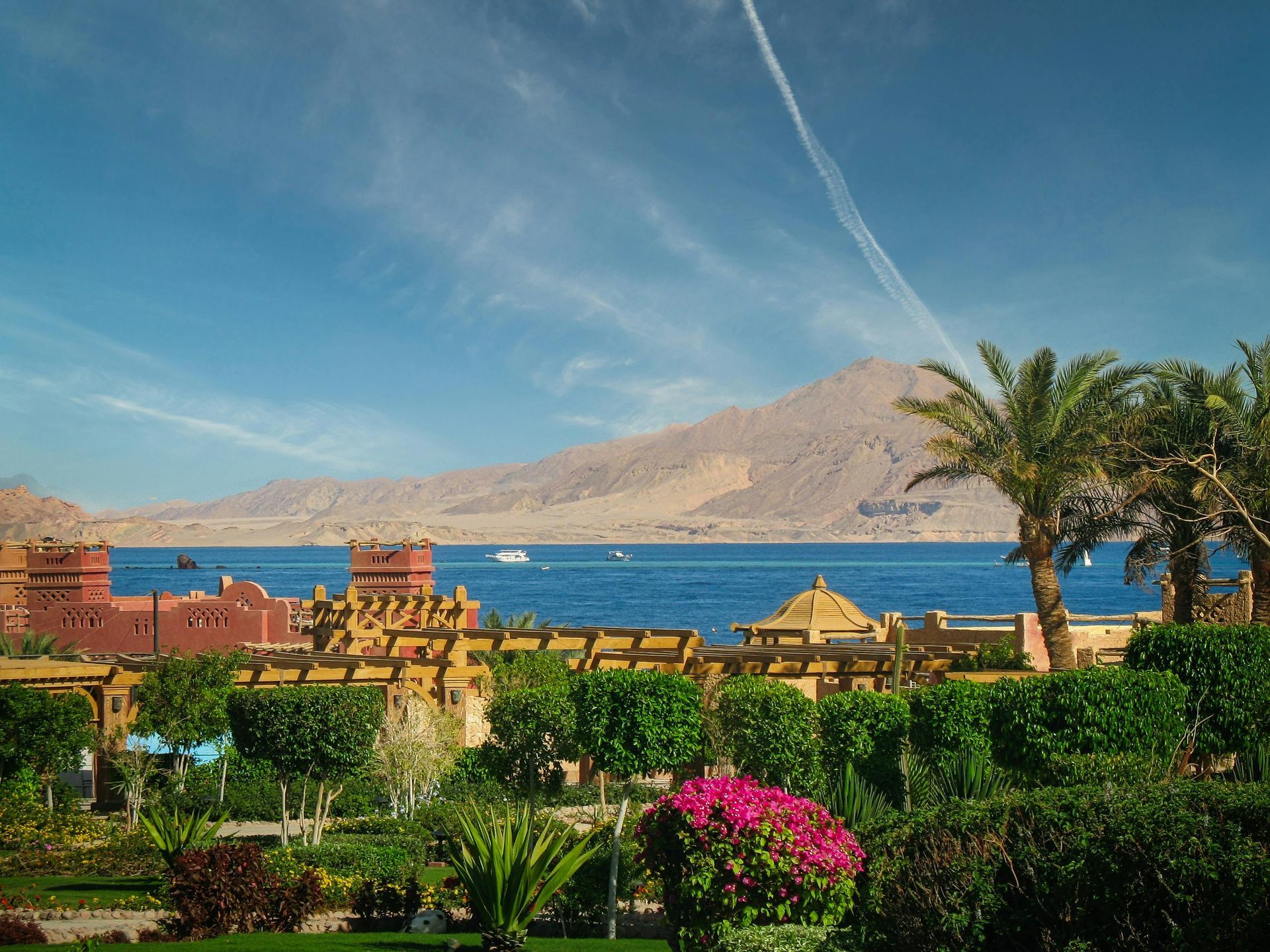
Egypt’s Red Sea coast is one of the most accessible options for UK travellers seeking warm water, coral reefs and strong value without travelling to the Indian Ocean or Pacific.
Resorts around areas such as Hurghada, Makadi Bay, Soma Bay, El Quseir, Marsa Alam and Sharm el-Sheikh can offer very different experiences. Some have sheltered sandy lagoons, while others provide direct jetty access beyond the shallow reef platform.
The water is often remarkably clear, and reefs may support:
- Colourful reef fish.
- Turtles.
- Rays.
- Moray eels.
- Lionfish.
- Occasional dolphins.
- Larger marine species on organised excursions.
Why the Red Sea works well for beginners
Many resorts operate guided introductory sessions and provide marked entry points. Jetty access can allow snorkellers to avoid walking across shallow coral, entering directly into deeper water beside the reef edge.
The destination can also work well for winter sun, family all-inclusive holidays and travellers wanting a standard seven-night break.
Things to consider
Not every Red Sea hotel has a sheltered beach entry. Some reefs are reached only from long jetties, and access may temporarily close when wind, waves or currents make conditions unsuitable.
A resort with outstanding coral may therefore be less appropriate for a very nervous swimmer than a nearby hotel with a calm lagoon.
A spectacular dive site may be too deep, exposed or current-swept for easy surface snorkelling. Our guide to Best Destinations for Scuba Diving and Snorkeling explains how the strongest destinations differ according to the activity, experience level and type of reef access.
Best for Calm Lagoons and Luxury: Mauritius and the Seychelles
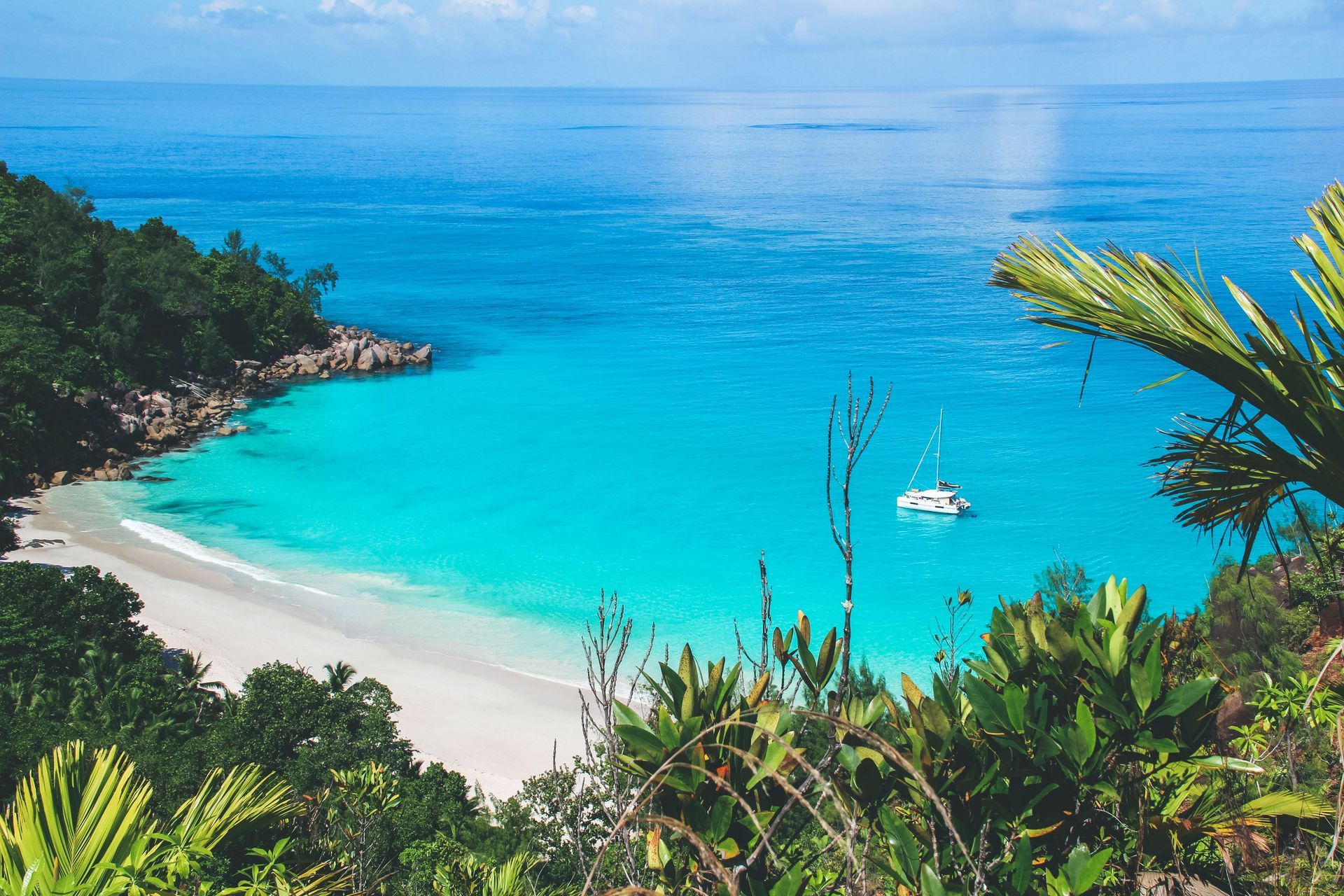
Mauritius and the Seychelles both combine beach holidays with snorkelling, but they offer different types of coastline and resort experience.
Mauritius
Much of Mauritius is protected by an offshore reef, creating broad lagoons around parts of the island. These can be ideal for swimming, paddleboarding and introductory snorkelling.
Family-friendly resorts often provide equipment and guided activities, making the destination appealing to travellers who want snorkelling to be one part of a broader holiday.
However, a large lagoon does not always mean coral begins close to the beach. In some areas, the shallow water is mainly sand or seagrass, with stronger reef experiences reached by boat.
Mauritius is particularly suitable for:
- Family holidays.
- Luxury resorts.
- Honeymoons.
- Multi-generational trips.
- Travellers combining snorkelling with golf, spa time and excursions.
Seychelles
The Seychelles offers clear water, dramatic granite scenery, island hopping and a mixture of beach and boat-based snorkelling.
Sheltered bays can be easy and rewarding in the right conditions. Other beaches become rougher during seasonal winds, and the best location can change depending on the time of year.
The Seychelles can suit:
- Couples seeking privacy and scenery.
- Travellers wanting to combine several islands.
- Wildlife enthusiasts.
- Confident snorkellers happy to explore by boat.
- Luxury travellers seeking smaller properties.
Things to consider
In both destinations, the phrase “beachfront resort” says little about reef quality. Ask about the exact swimming area, prevailing seasonal conditions, boat excursions and whether the reef is accessible without crossing a large lagoon.
Best Caribbean Shore Snorkelling: Bonaire and Curaçao
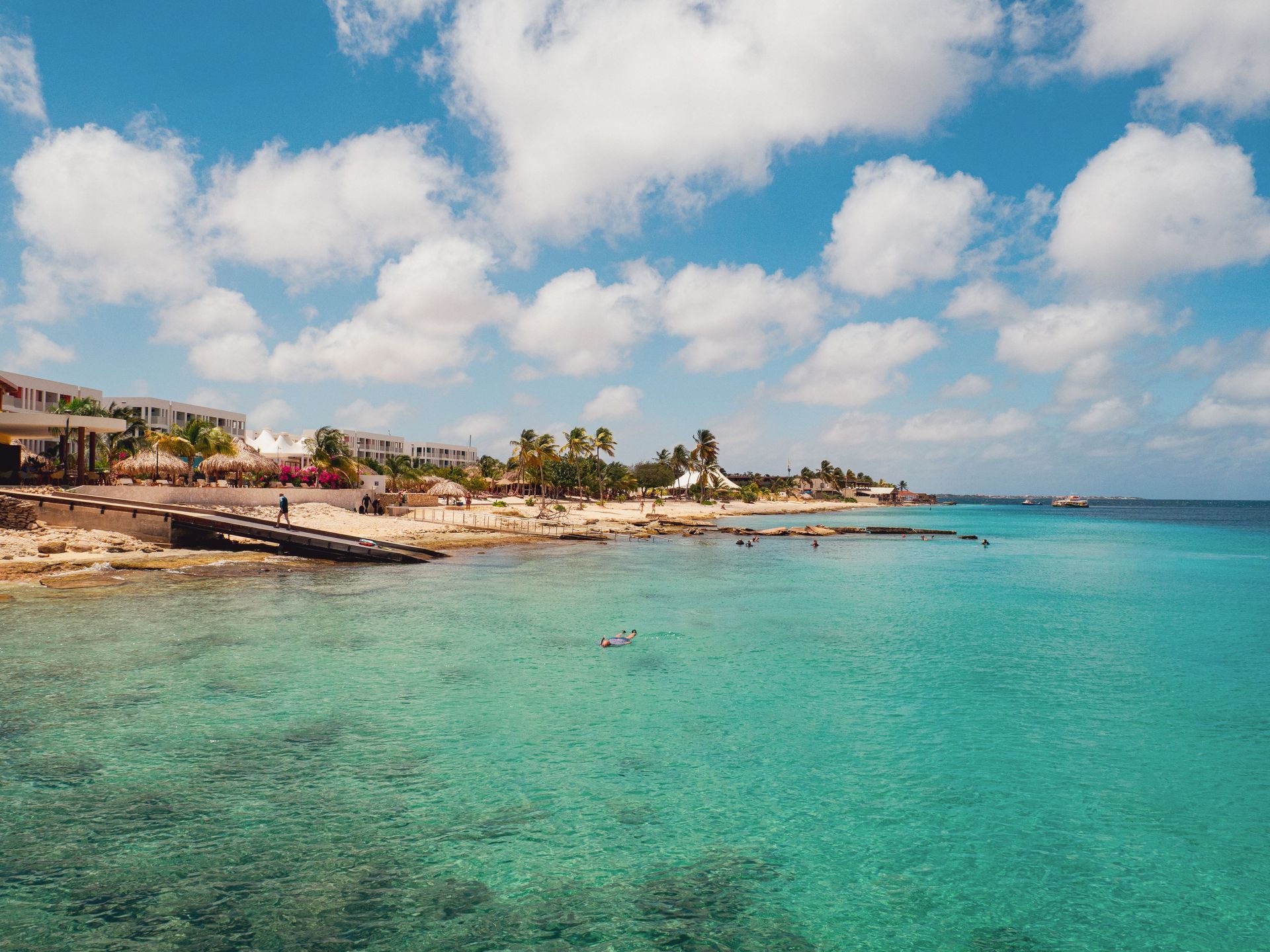
Bonaire is often recognised for shore-based diving, but many of the same coastal sites can appeal to confident snorkellers. Curaçao also offers sheltered bays and accessible marine life, often with a wider choice of resort and town experiences.
The attraction is flexibility. Rather than relying entirely on scheduled boat trips, visitors can explore several marked coastal sites.
Potential sightings include:
- Parrotfish.
- Angelfish.
- Turtles.
- Moray eels.
- Rays.
- Small reef fish.
- Occasional seahorses in suitable habitats.
Who these islands suit
Bonaire and Curaçao are especially appealing to:
- Independent travellers.
- Confident swimmers.
- Couples and adult groups.
- Mixed diving and snorkelling parties.
- Travellers who enjoy hiring a car and exploring different bays.
Things to consider
Some entries involve coral rubble, rock or uneven surfaces. Reef shoes may be necessary, and travellers with mobility concerns should research access carefully.
Although many sites are sheltered, not every shore entry is suitable for a complete beginner. Local guidance remains important, particularly when wind or current changes.
Best Barrier Reef Experience: Belize
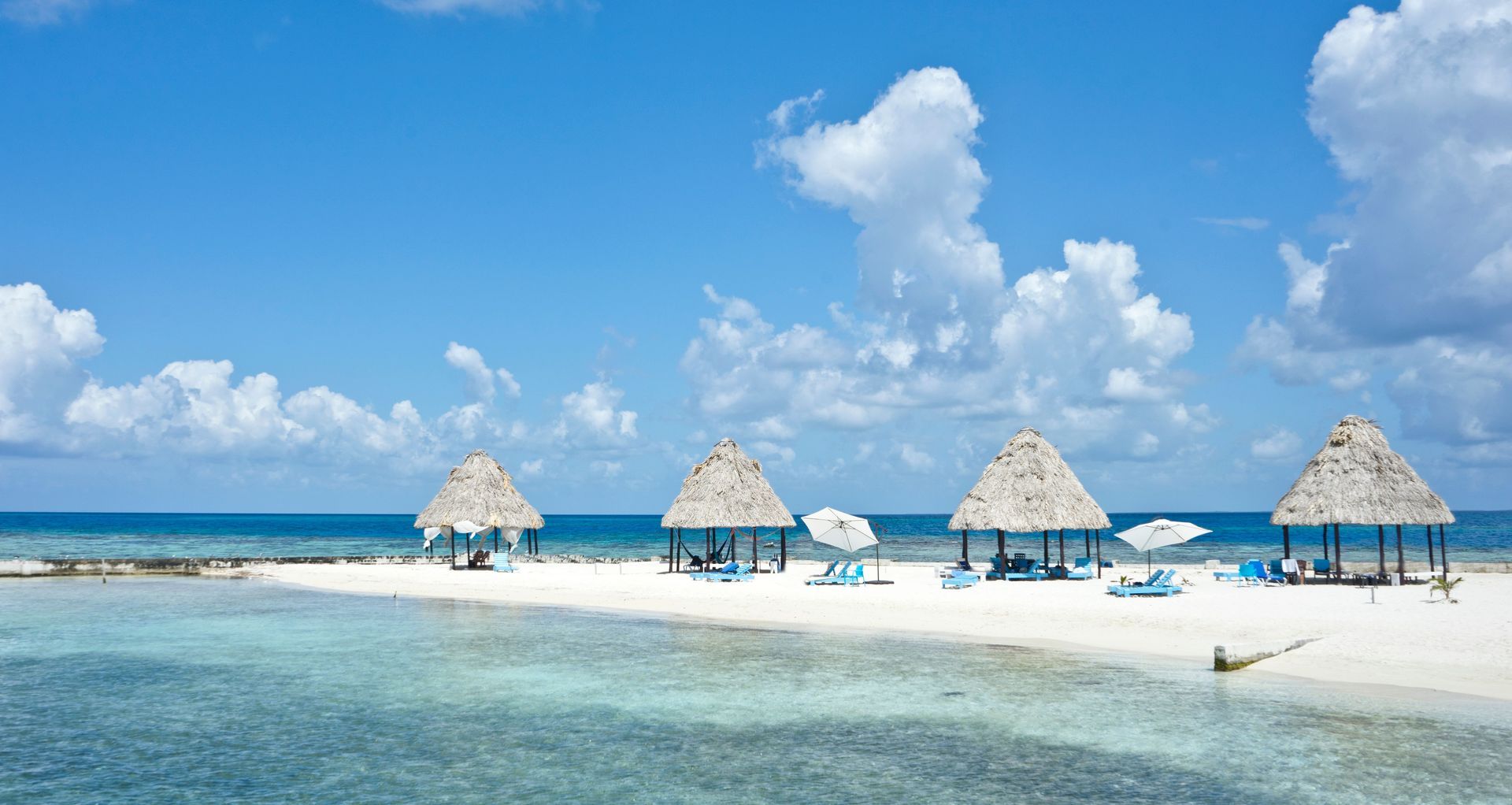
Belize sits beside part of the Mesoamerican Barrier Reef and offers coral gardens, cayes, atolls and excellent guided marine excursions.
Popular experiences can include encounters with:
- Nurse sharks.
- Rays.
- Turtles.
- Reef fish.
- Coral formations.
- Manatees in suitable areas.
- Larger marine species on specialist trips.
Belize is particularly attractive to travellers who want a broader adventure rather than a conventional fly-and-flop resort holiday. Snorkelling can be combined with rainforest experiences, Mayan sites, wildlife and stays on different cayes.
Is Belize easy for beginners?
Many guided reef trips can accommodate beginners, but access is often boat based. This means visitors should feel comfortable entering the water from a boat and following a guide in open water.
It is not necessarily the best destination for someone whose priority is stepping directly from a hotel beach onto a shallow house reef every morning.
Things to consider
Transfer arrangements, boat schedules and accommodation location matter. A hotel may sit beside beautiful water while still requiring an excursion to reach the strongest coral sites.
Best European Snorkelling Holidays
Europe may not offer the same widespread tropical coral systems as the Maldives or Red Sea, but it can provide clear water, rocky coves, underwater caves, seagrass meadows and abundant fish.
European snorkelling holidays are especially useful for travellers who prefer shorter flights, self-catering flexibility or a familiar family beach holiday.
Greece
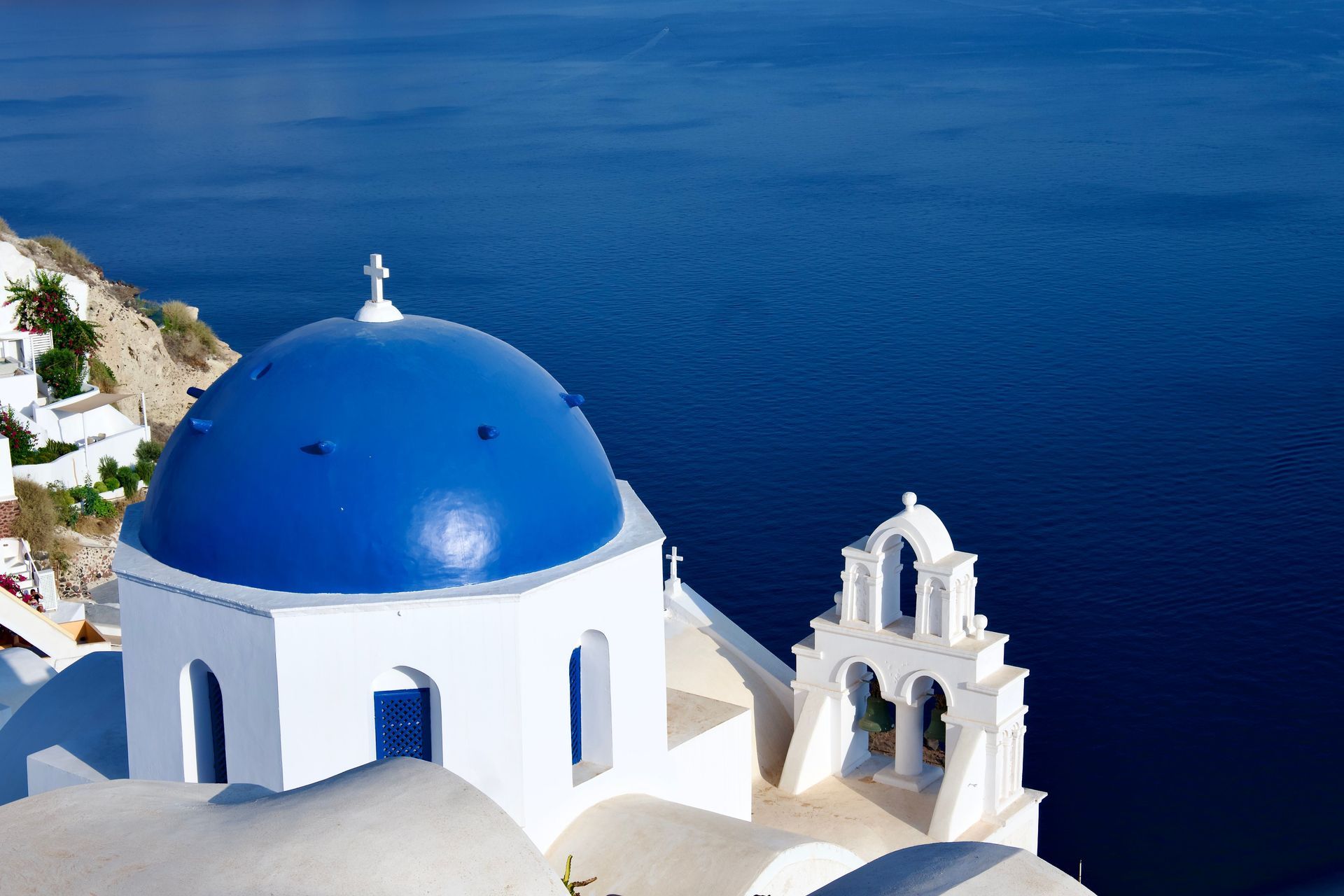
Greek islands provide sheltered bays, rocky headlands and clear water. Crete, Corfu, Rhodes, Kefalonia and smaller islands can all offer enjoyable snorkelling, although conditions vary by beach.
Expect rocky habitats, small fish, octopus, sea urchins and seagrass rather than vast tropical coral gardens.
Cyprus
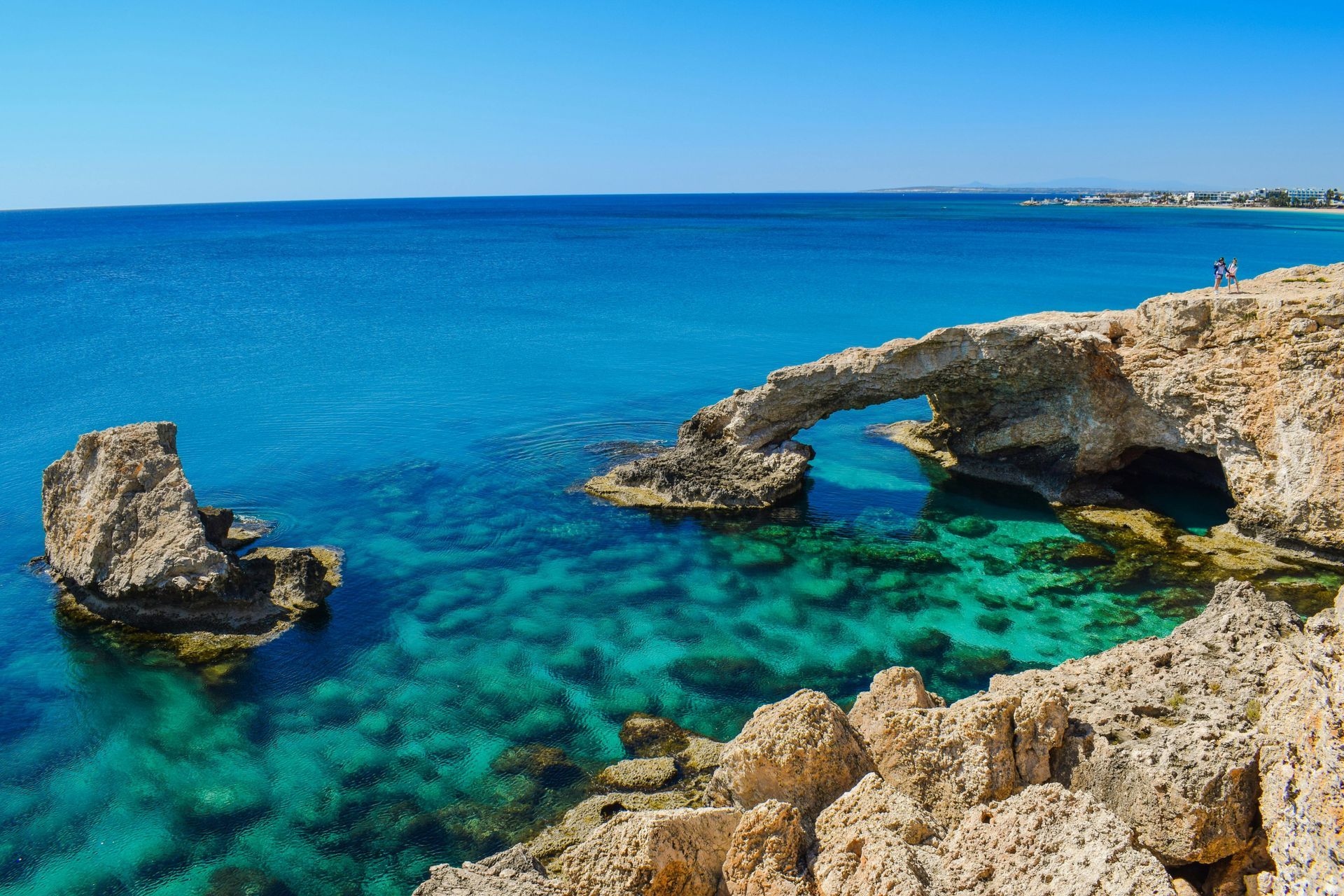
Cyprus combines warm summer water with accessible coves and resort infrastructure. Some areas provide easy beach entries, while others are better explored on guided boat trips.
Malta and Gozo
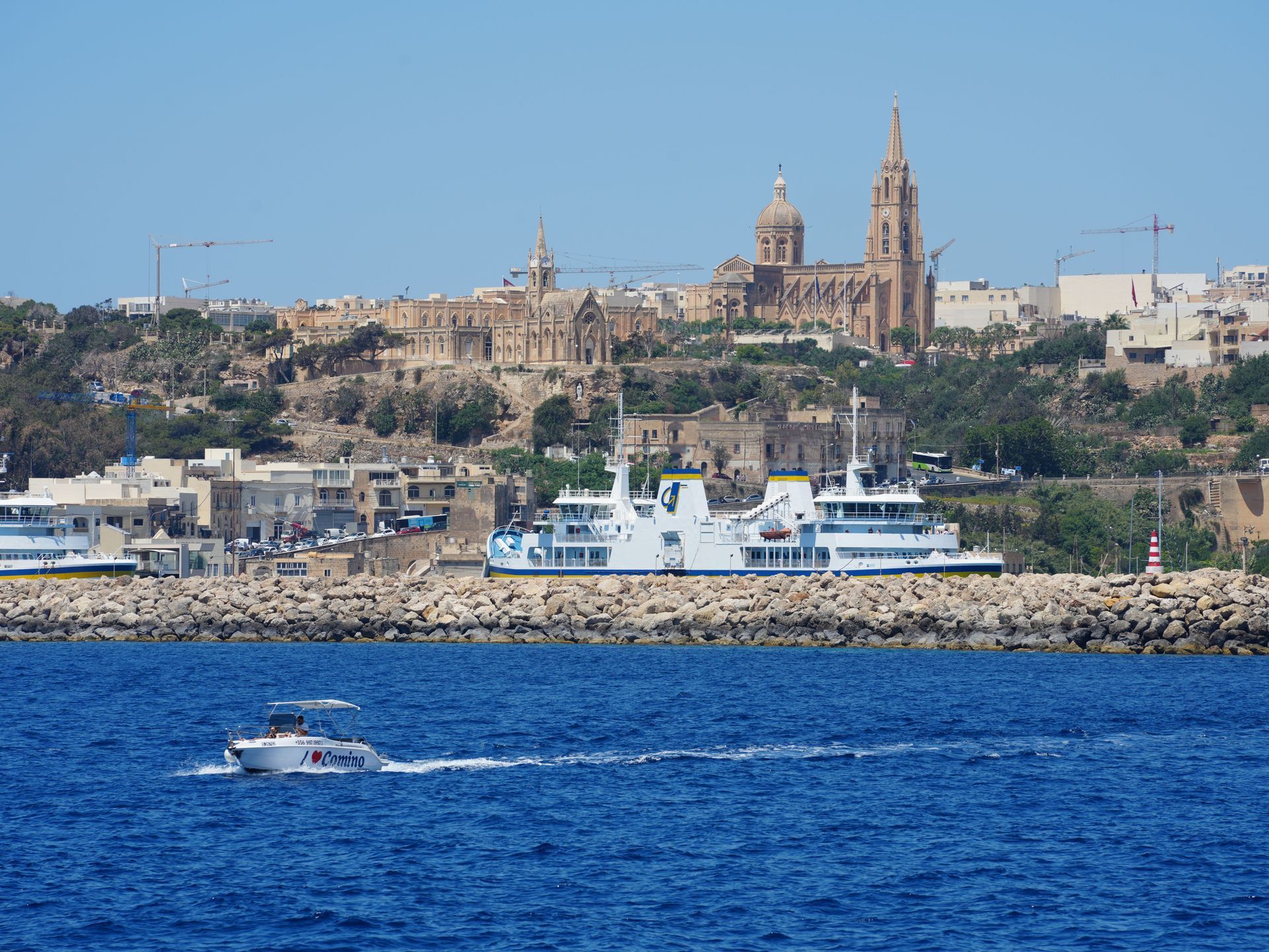
Malta and Gozo are known for rocky coastlines, caves, clear water and dramatic underwater topography. They can suit confident swimmers and travellers interested in combining snorkelling with history and sightseeing.
Some entry points involve ladders or rock platforms, so they are not suitable for everyone.
Canary Islands
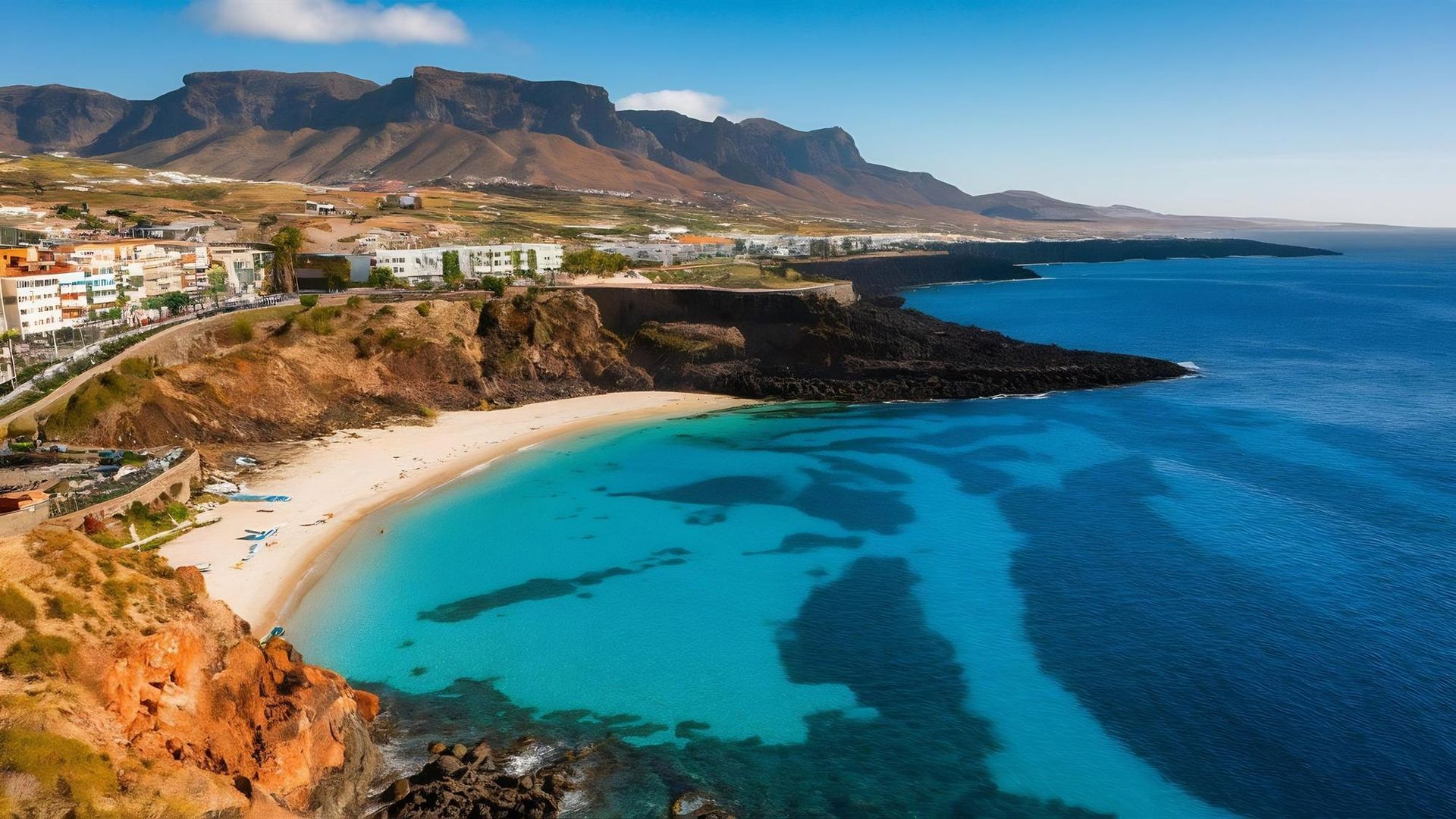
The Canary Islands offer volcanic underwater scenery and marine life within relatively easy reach of the UK.
Conditions differ between islands and coasts, with sheltered southern bays often calmer than exposed Atlantic locations.
Sardinia and Croatia
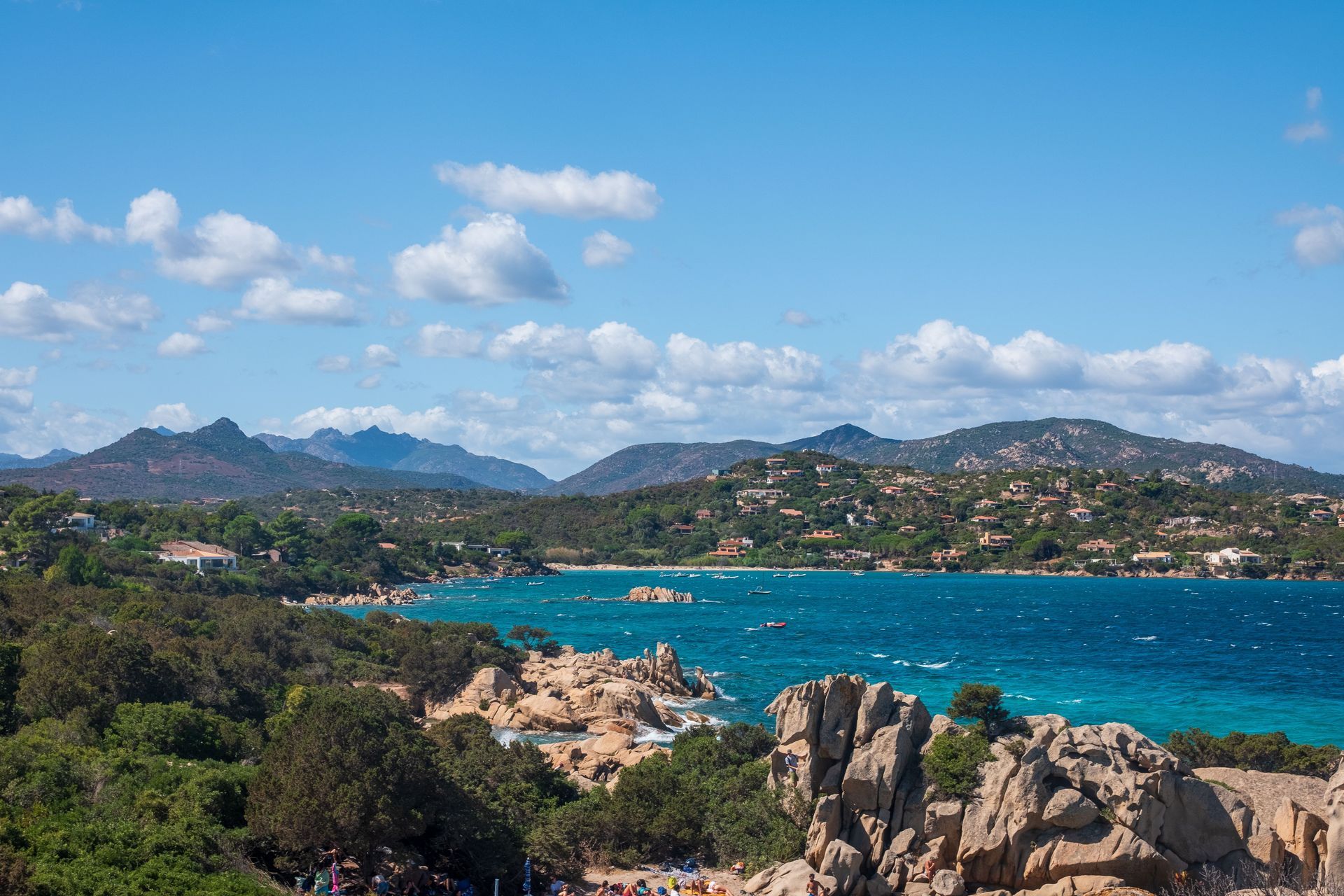
Both can provide beautifully transparent water and rocky coves. They are better described as clear-water snorkelling destinations than tropical reef holidays.
Things to consider
European seas can feel cooler than tropical lagoons, particularly early or late in the season. A rash vest or light wetsuit may improve comfort.
For a broader comparison of European and long-haul locations, explore Discovering the World's Best Snorkeling Spots.
Best for Exceptional Marine Wildlife: Mexico and the Galápagos
Some travellers care less about having a house reef and more about seeing a particular animal. Mexico and the Galápagos can provide remarkable guided encounters, but they should not be presented as effortless reef holidays.
Mexico
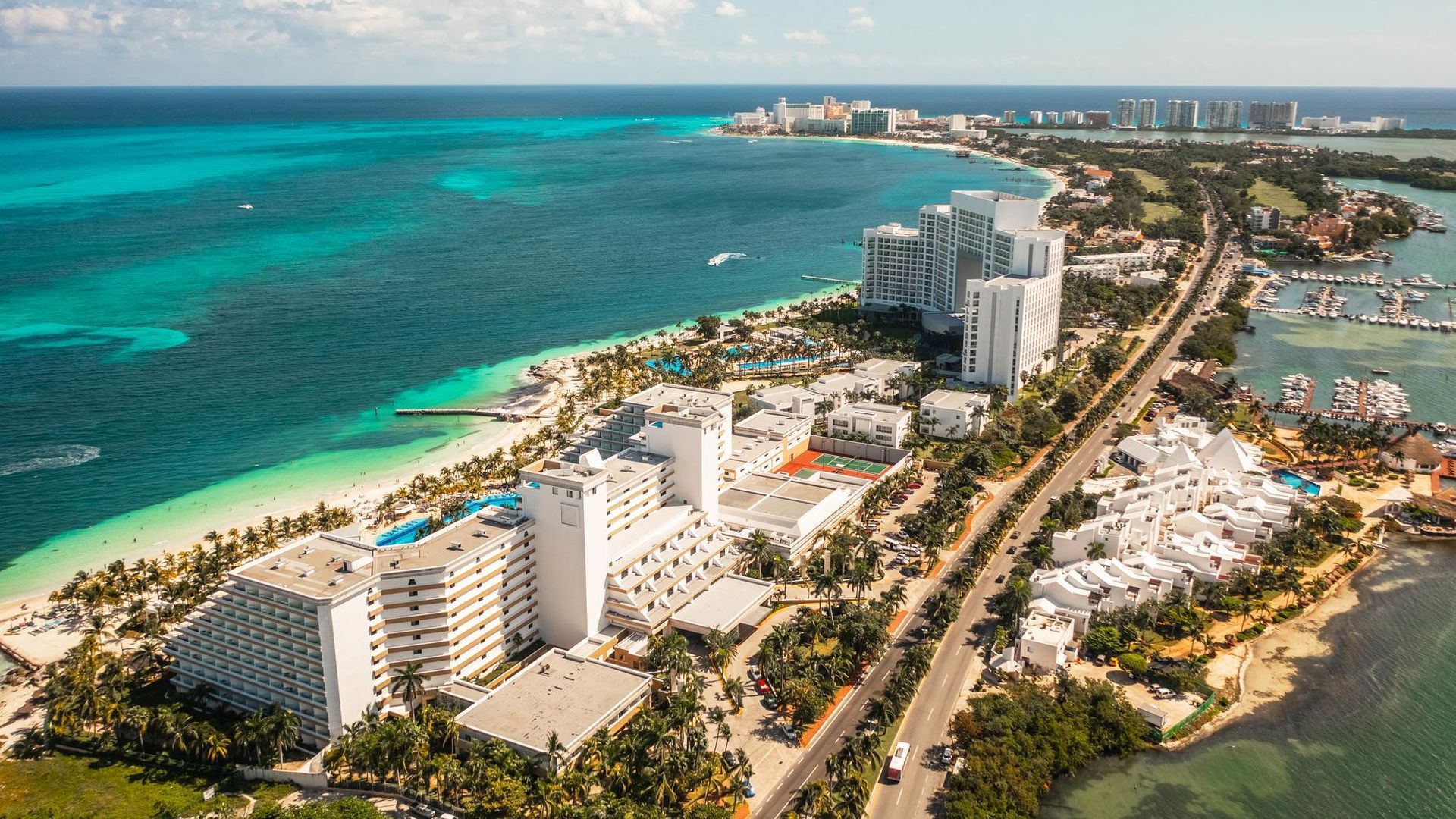
Mexico offers several distinct snorkelling experiences.
These may include:
- Caribbean reefs.
- Sea turtles.
- Cenotes.
- Whale shark excursions in season.
- Cozumel boat trips.
- Sheltered bays.
- Snorkelling from Riviera Maya resorts.
Cenotes provide clear freshwater and dramatic rock formations, but they are not coral reefs. Whale shark trips take place in open water and may involve long boat journeys, waves and strict wildlife rules.
Galápagos Islands
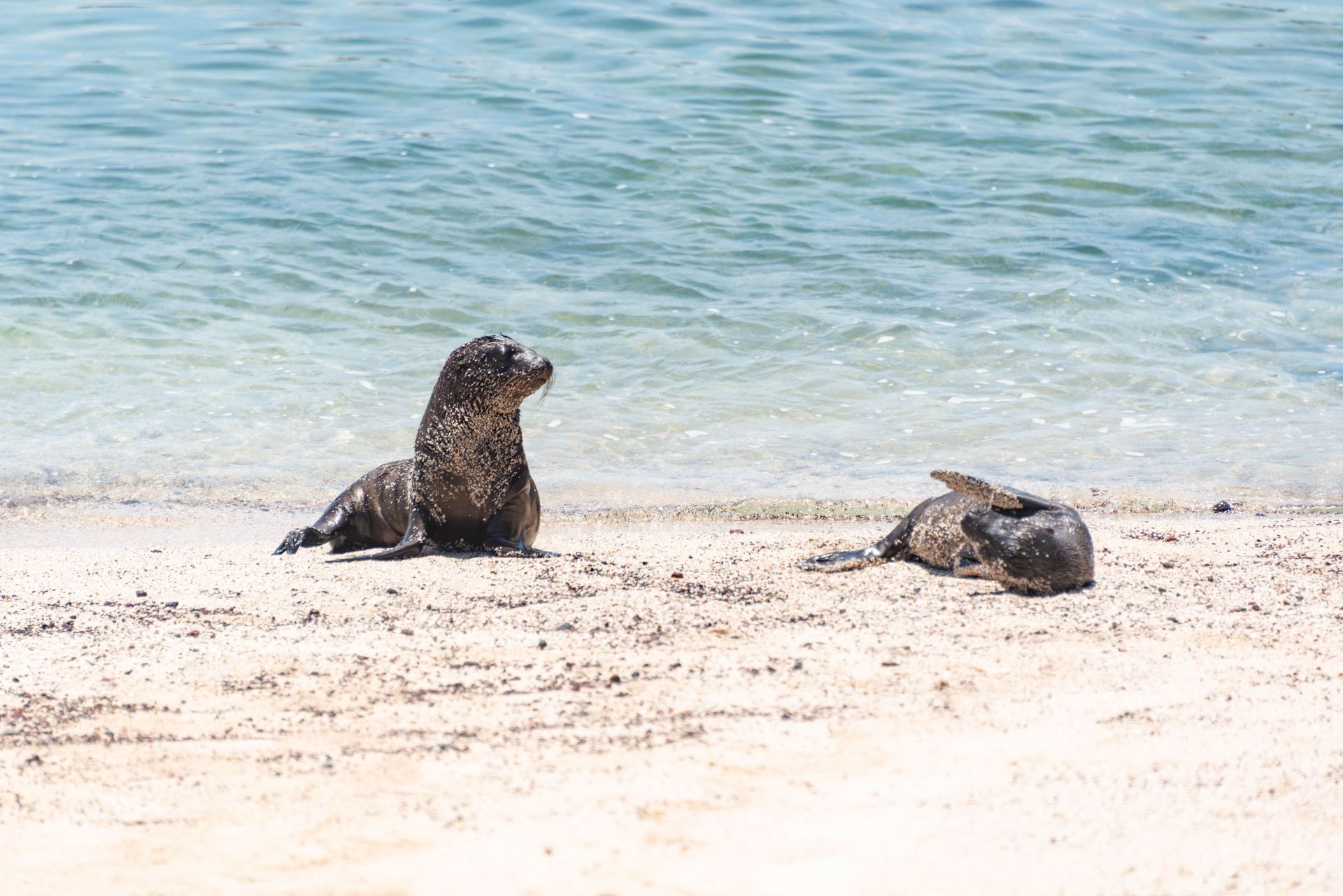
The Galápagos offers unusual encounters with sea lions, turtles, rays, penguins and other wildlife. Water temperatures, currents and visibility can vary significantly by island and season.
Some sites are suitable for moderately experienced snorkellers, while others require confidence in cooler or moving water.
Things to consider
Wildlife is unpredictable. Ethical operators should never promise a sighting or encourage guests to chase, touch or surround an animal.
Travellers should distinguish between an easy beach-based snorkelling holiday and a specialist expedition where snorkelling is one activity within a wider itinerary.
Best for Coral Biodiversity: Indonesia and the Philippines
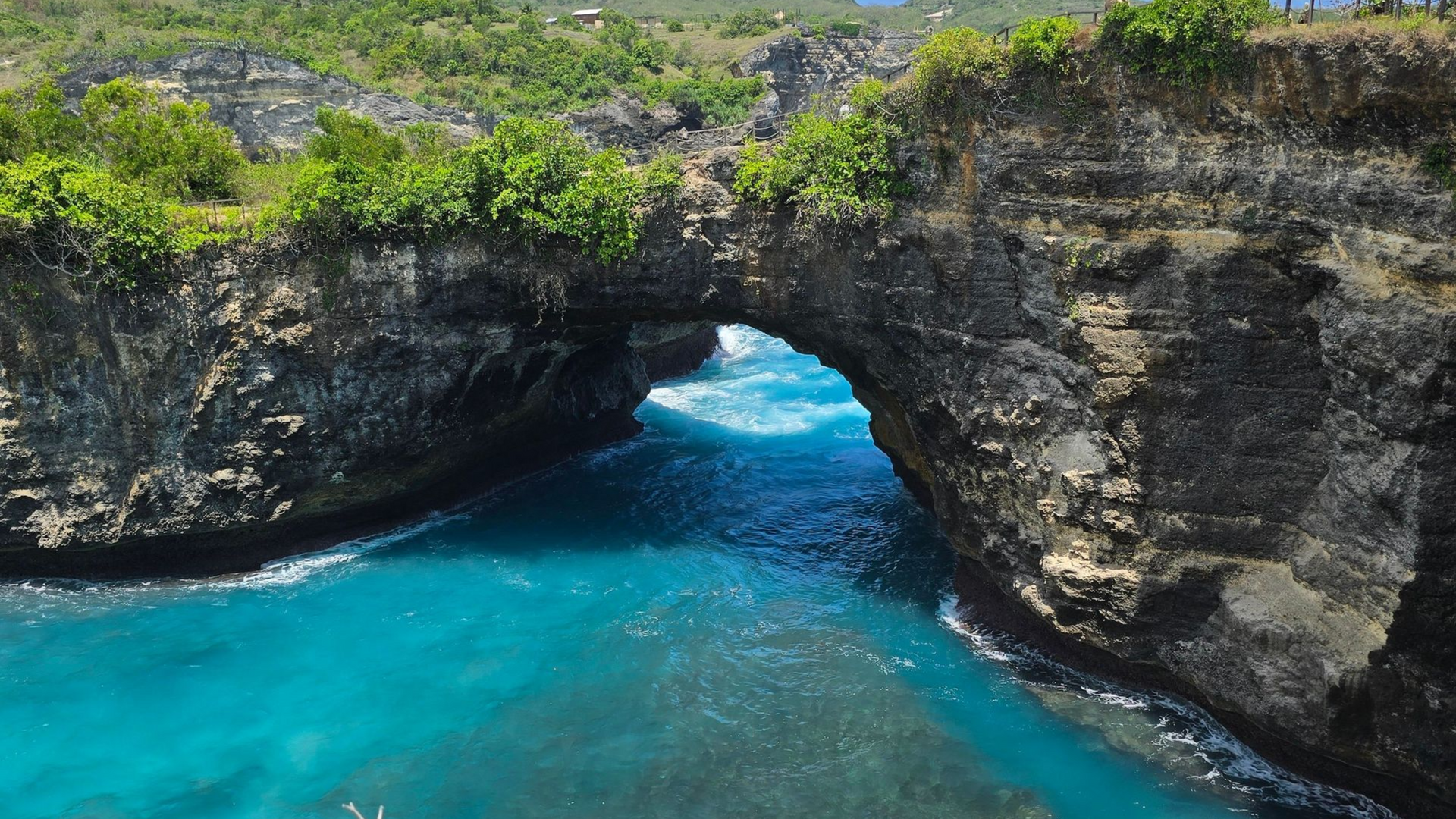
Indonesia and the Philippines sit within the Coral Triangle, an area associated with exceptional marine biodiversity.
Destinations such as Raja Ampat, Komodo, Sulawesi, Bali, Alor and parts of the Philippines may offer dense coral gardens, large schools of fish, turtles, rays and rare smaller species.
These destinations can be outstanding for experienced snorkellers, but careful selection is essential.
Resort, boat or liveaboard?
Options range from small island resorts with accessible reefs to liveaboards visiting remote sites. A liveaboard can maximise time in the water but may not suit travellers who prefer a conventional hotel.
Some remote resorts are ideal for mixed diving and snorkelling couples. Others focus primarily on divers, with snorkellers joining separate guided excursions.
Current and difficulty
Parts of Indonesia are known for strong currents. Certain sites are suitable only when visited at the correct state of tide and under expert supervision.
A destination’s reputation for biodiversity should never override an honest assessment of swimming ability.
Things to consider
Long journeys, domestic connections, boat transfers and limited medical facilities may be relevant in remote regions. Travel insurance should cover all planned activities and destinations.
These regions are often best suited to a longer tailor-made holiday rather than a simple one-week beach break.
Best for a Wider Touring Holiday: Australia and Fiji
Australia and Fiji offer famous reef systems alongside broader touring possibilities.
Australia
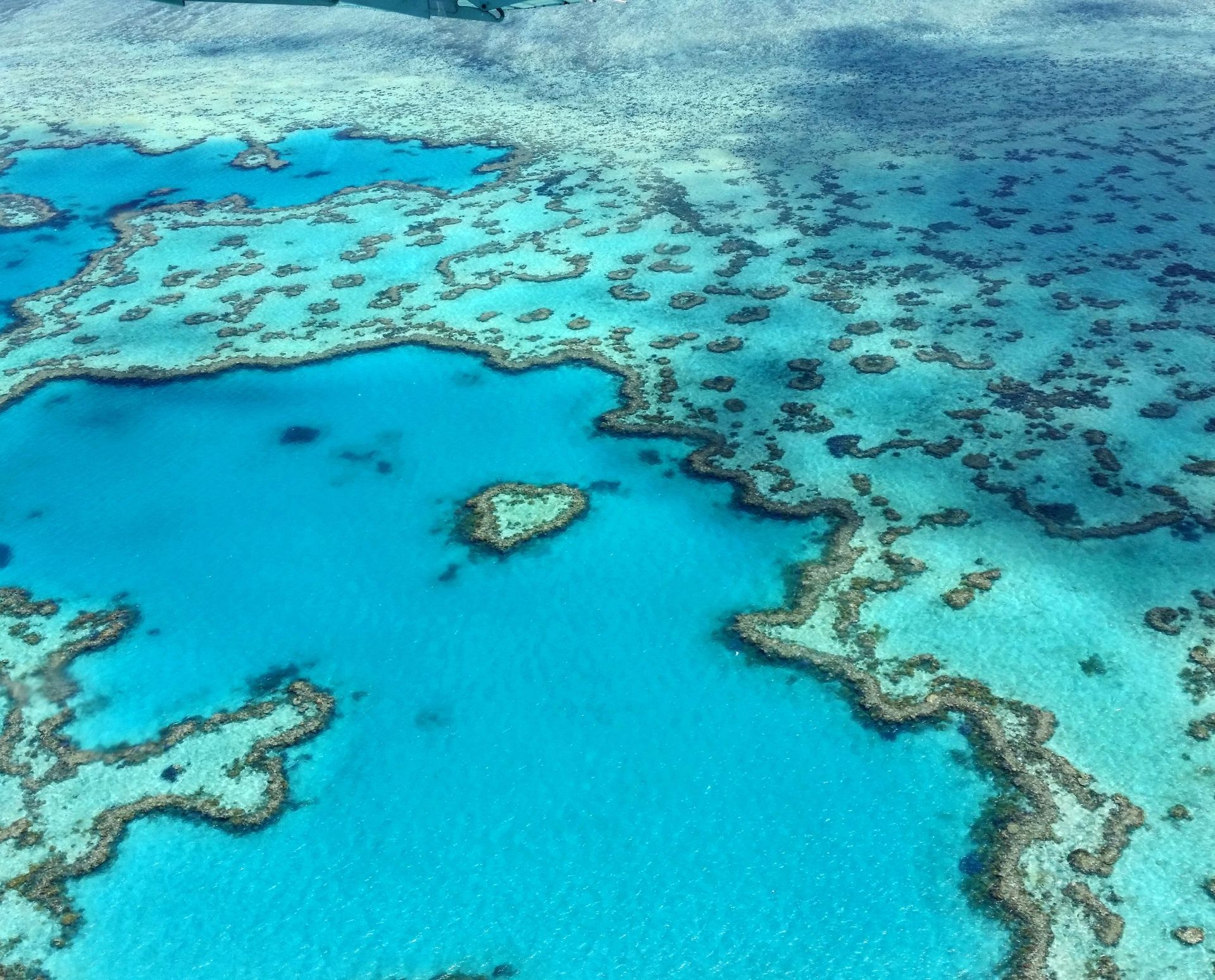
The Great Barrier Reef can be reached from several coastal gateways and islands. Experiences range from large day boats and floating pontoons to smaller specialist vessels and island resorts.
A pontoon can work well for beginners because it may provide:
- Staff supervision.
- Equipment.
- Rest areas.
- Marked snorkelling zones.
- Flotation devices.
- Alternative activities for non-swimmers.
However, reef quality and visitor numbers vary by site. Selecting the right operator is more important than simply booking the cheapest excursion.
Fiji
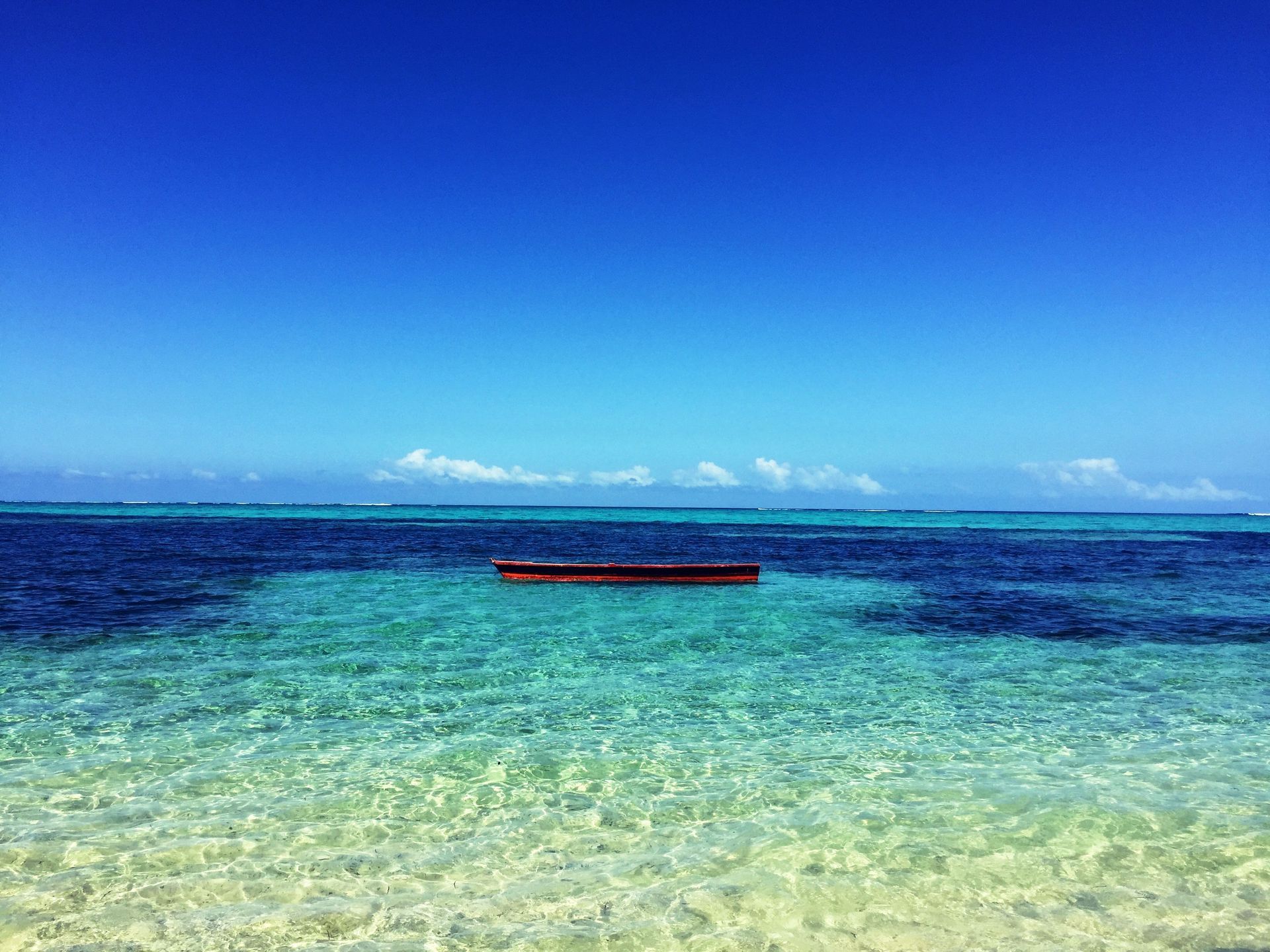
Fiji combines island resorts, coral reefs, village experiences and warm hospitality. Some resorts have excellent house reefs, while others rely more heavily on boat trips.
The destination can suit couples, families and mixed groups, but travel from the UK is substantial. It usually makes sense as a longer holiday or part of a wider itinerary.
Australia and Fiji both require substantial travel from the UK, so they usually work better as longer holidays than quick beach breaks. The most famous reef name does not guarantee the best experience: operator quality, group size, journey time, entry method and the exact reef site all matter. Families should check whether child-sized equipment, flotation aids, shade and easy ladders are available. Travellers combining several regions should also allow enough time between flights, boat transfers and organised reef excursions.
How to Choose the Right Resort for Snorkelling
The country name alone cannot tell you whether a holiday will meet your needs. Before booking, ask these ten questions.
1. Does the hotel have a genuine house reef?
A genuine house reef should provide worthwhile marine life close enough for regular access. Some hotels use the term loosely when the main reef is reached by boat.
2. Can it be reached directly from shore?
Direct access offers flexibility, but check whether the entry is sandy, rocky or across shallow coral.
3. Is there a jetty or marked channel?
A jetty may provide safer entry beyond a shallow reef platform. A marked channel protects both swimmers and coral.
4. How far is the reef from the beach?
A wide lagoon can require a longer swim than photographs suggest.
5. Is access possible at all tides?
Some reef flats become too shallow at low tide. Others have stronger movement as the tide changes.
6. Are currents common?
Ask whether guests regularly drift along the reef and whether a guide is recommended.
7. Is it suitable for beginners and children?
“Suitable for snorkelling” does not automatically mean safe for young children or weak swimmers.
8. Is equipment included?
Resort equipment may be complimentary, chargeable or limited in size. Poorly fitting masks can spoil the experience.
9. Are guided sessions available?
A guided orientation helps guests understand entry points, currents, reef rules and likely marine life.
10. Are the best sites accessible only by boat?
Boat trips can be excellent, but they add cost and reduce spontaneity. Establish how frequently they run and whether minimum numbers apply.
Jamie Says:
"Never choose a snorkelling resort from the destination name or beach photographs alone. Ask about the exact house reef, entry point, tide, current and distance from shore. The most attractive lagoon is not always the easiest place to see coral."
Resort, Boat Trip or Liveaboard?
Different holiday formats suit different travellers.
Resort house reef
Best for:
- Beginners.
- Families.
- Travellers who want daily flexibility.
- Guests who enjoy short sessions.
- Mixed groups with different interests.
The main advantage is convenience. You can snorkel when conditions are suitable without committing to a full-day excursion.
Guided day boat
Best for:
- Reaching stronger offshore reefs.
- Visiting several sites.
- Wildlife excursions.
- Travellers who appreciate supervision.
Check boat size, shade, ladders, flotation support and the experience level expected.
Island-hopping itinerary
Best for:
- Comparing several reefs.
- Combining beaches with culture.
- Travellers who prefer variety.
Transfers require more planning, but an itinerary can reduce reliance on a single reef.
Snorkelling safari
Some specialist operators create itineraries specifically for snorkellers. These may include several guided sessions each day and work well for enthusiasts.
Liveaboard
Best for:
- Remote reef systems.
- Experienced snorkellers.
- Mixed dive and snorkel groups.
- Travellers comfortable living on a boat.
Ask whether the itinerary genuinely supports snorkellers or is designed almost entirely around scuba diving.
Snorkelling Safety for Beginners and Families
Snorkelling is accessible, but open water must always be treated with respect.
Follow these principles:
- Never snorkel alone.
- Check weather, tide and current conditions.
- Use a flotation vest when appropriate.
- Stay within marked swimming zones.
- Follow lifeguards, guides and resort staff.
- Do not enter through breaking waves.
- Keep enough energy to return to shore.
- Avoid touching coral or marine animals.
- Use sun protection and drink plenty of water.
- Ensure travel insurance covers planned activities.
A person does not need to be an elite swimmer to enjoy a supervised lagoon, but anyone entering open water should be able to remain calm, breathe through a snorkel and signal for help.
If you begin to feel anxious, stop swimming, roll onto your back or use your flotation aid, breathe normally and signal clearly to your guide or companion. Do not continue towards the reef simply because the rest of the group has moved ahead.
If a current begins carrying you away from your entry point, do not exhaust yourself by fighting directly against strong moving water. Signal for assistance, remain with your group and follow the instructions given by the local guide or safety team. This is one reason guided snorkelling tours can be particularly valuable for first-time visitors.
A properly fitted mask should sit comfortably against the face without needing to be overtightened. Hair, sunscreen or a folded mask skirt can break the seal and cause leaks. Prescription masks are available for travellers who cannot see clearly without glasses.
Children should use equipment designed for their size. Fins can make swimming easier, but only when the child has practised using them in shallow, supervised water and can remove them calmly if necessary.
Full-face masks require particular care. Travellers should follow manufacturer guidance, use reputable equipment and never assume a mask removes the need for swimming confidence or supervision.
Responsible Snorkelling and Reef Protection
Coral reefs are living ecosystems rather than underwater scenery.
Responsible snorkellers should:
- Never stand on coral.
- Avoid kicking the reef with fins.
- Keep a respectful distance from turtles and rays.
- Never chase, touch or feed wildlife.
- Use established entry channels.
- Choose operators using mooring buoys where possible.
- Follow local sunscreen rules.
- Avoid collecting shells or coral.
- Respect protected areas and seasonal closures.
- Report damaged moorings or harmful behaviour to the operator.
When hovering above a shallow reef, keep your body horizontal and remain aware of where your fins are moving. If you need to adjust equipment, move into deeper sandy water rather than standing on coral.
Which Snorkelling Holidays Are Right for You?
Use the following framework to narrow your choices.
Best for complete beginners
Consider a sheltered Maldivian lagoon resort, a carefully selected Mauritian hotel or a Red Sea resort with supervised jetty access and guided orientation.
Best for families
Mauritius, the Maldives and selected Red Sea resorts offer broad resort facilities alongside accessible water activities.
Best short-haul option
The Red Sea provides the strongest combination of coral, clear water and comparatively manageable travel from the UK.
Best luxury choice
The Maldives and Seychelles offer high-end accommodation, privacy and personalised excursions.
Best for daily house-reef access
The Maldives can be outstanding, but the specific island must be checked carefully.
Best for independent shore snorkelling
Bonaire and Curaçao suit confident travellers who enjoy exploring several coastal sites.
Best for wildlife
Mexico, the Galápagos, Belize and particular Maldivian regions offer specialist encounters, usually on guided trips.
Best for experienced snorkellers
Indonesia, the Philippines and certain Pacific destinations offer exceptional biodiversity but may involve stronger currents and remote logistics.
Best European choice
Greece, Cyprus, Malta, the Canary Islands, Sardinia and Croatia provide clear-water alternatives without long-haul travel.
Best for combining snorkelling with another holiday type
Belize, Australia, Mexico and Indonesia work well for travellers seeking touring, wildlife, culture or adventure alongside time in the water.
Frequently Asked Questions: Snorkeling Holidays
Where is the best place in the world for a snorkelling holiday?
The Maldives is one of the best all-round choices because selected islands offer clear water, tropical marine life and regular access to a house reef. However, the best destination depends on your priorities. Egypt’s Red Sea may be better for a shorter, better-value trip from the UK, while Indonesia suits experienced snorkellers seeking exceptional coral diversity. Families may prefer the lagoons and resort facilities of Mauritius. Always compare the exact resort, reef access, current, season and required swimming ability rather than choosing solely by country.
Which destination has the clearest water for snorkelling?
The Maldives, Red Sea, Seychelles, parts of the Caribbean and several Pacific islands are known for periods of excellent visibility. However, no destination has perfectly clear water every day. Rain, wind, tides, plankton and storms can temporarily reduce visibility. Clear water also does not automatically mean good snorkelling; the reef may be deep, damaged or difficult to reach. Look for destinations combining reliable seasonal conditions with shallow marine life, straightforward entry and manageable currents. Recent local information is more useful than a general claim that an entire country has clear water.
Where can beginners snorkel directly from the beach?
Beginners can snorkel from the beach at carefully selected resorts in the Maldives, Mauritius, Egypt, the Seychelles, Caribbean and Mediterranean. The safest option is usually a sheltered sandy entry with a marked swimming area, shallow water and staff nearby. A resort may advertise beach snorkelling even when the main reef is far offshore, so ask how far guests need to swim. Nervous swimmers should also check whether flotation vests, guided orientations and lifeguards are available. The easiest reef is not necessarily the most famous one.
What is a house reef?
A house reef is a coral reef located close to a hotel, island resort or dive centre and regularly accessible to its guests. Access may be from the beach, through a marked channel or by steps from a jetty. A strong house reef allows travellers to snorkel without booking a boat trip every time. However, the term is used inconsistently. Some resorts have coral within a few metres of shore, while others require a long lagoon swim. Ask for an access map, recent reef description and guidance on tides before booking.
Do you need to be a strong swimmer to snorkel?
You do not need to be a competitive swimmer, but you should feel comfortable floating, breathing through a snorkel and moving safely in the water. Beginners can start in a shallow, sheltered lagoon with a guide and flotation vest. Open-water boat trips, currents and deep reef edges require greater confidence. Never rely on fins or a flotation aid as a substitute for supervision. Tell the guide honestly about your swimming ability, stay close to your group and avoid entering conditions that feel beyond your experience.
Are snorkelling holidays suitable for children?
Snorkelling holidays can be excellent for children when the resort, equipment and water conditions are chosen carefully. Look for a gently shelving beach, sheltered swimming area, child-sized masks and fins, flotation support and supervised introductory sessions. Children should never snorkel alone, even in shallow water. Check minimum ages for organised excursions because operators may set different rules for open-water trips. A hotel with a calm lagoon may suit younger children better than a spectacular reef accessed from a deep jetty or boat.
Should I take my own snorkelling equipment?
Taking your own mask can improve comfort because fit is crucial. A leaking or misting mask quickly becomes frustrating, while a properly fitted one creates a better seal. Many resorts provide equipment, but the quality, availability and sizes may vary. Travellers who snorkel regularly may prefer to bring their own mask, snorkel and lightweight fins. Beginners can hire equipment before travelling to test different styles. Prescription masks are also available. Clean equipment properly, follow baggage rules and inspect hired items before entering the water.
What is the best time of year for a snorkelling holiday?
The best time varies by destination and even by coastline. Seasonal wind, rainfall, water temperature, current and plankton levels can all influence visibility. The most popular dry season may offer calmer conditions, but it can also bring higher prices and busier resorts. Some marine animals appear only during specific months, while plankton that attracts manta rays or whale sharks may reduce water clarity. Choose the season according to your main priority: easy reef conditions, warmer water, lower prices or particular wildlife.
Does standard travel insurance cover snorkelling?
Many travel insurance policies include recreational snorkelling, but cover is not universal and conditions may apply. A policy may distinguish between casual snorkelling from a beach and organised excursions in open water. Specialist activities, remote locations, liveaboards or participation against official advice may affect cover. Check the policy wording before travelling, including medical treatment, repatriation, missed excursions and equipment. Declare relevant medical conditions and ensure the destination itself is covered. When uncertain, ask the insurer for written confirmation rather than relying on assumptions.
How can I snorkel without damaging coral reefs?
Remain horizontal in the water, keep your fins away from coral and never stand on the reef. Do not touch, chase or feed marine animals, and avoid collecting shells or coral. Enter through marked channels and follow local guides, protected-area rules and sunscreen requirements. Choose responsible operators that limit group sizes and use mooring buoys rather than dropping anchors onto reefs. Practise adjusting your mask and fins in sandy water before approaching coral. Good buoyancy and calm movement protect the reef while also helping you observe wildlife without disturbing it.
Plan Your Snorkelling Holiday with Jamie Wake Travel
The best snorkelling holidays are not chosen from a list of countries alone. The exact resort, house reef, tide, entry point, season and transfer arrangement all matter.
Jamie Wake Travel can help you compare suitable destinations and identify accommodation that fits your swimming confidence, budget and preferred holiday style. That may mean a Maldivian island with easy jetty access, a family-friendly Mauritian lagoon, a Red Sea resort with a supervised house reef or a tailor-made itinerary combining several exceptional marine locations.
We can also help you understand whether the strongest snorkelling is available from the beach or requires additional boat trips, avoiding surprises after arrival.
With personalised planning and the appropriate financial protection for your booking, including ATOL protection where applicable and the protections provided through Jamie Wake Travel’s Protected Trust Services membership, you can choose a holiday built around the way you genuinely want to experience the water—not simply the destination with the most attractive photographs.
Written by Jamie Wake Travel
Expert, personalised holiday planning for UK travellers.
Last reviewed: July 2026