Solo Ski Holidays for Beginners: Where to Go and What to Book
Solo Ski Holidays for Beginners: Where to Go and What to Book
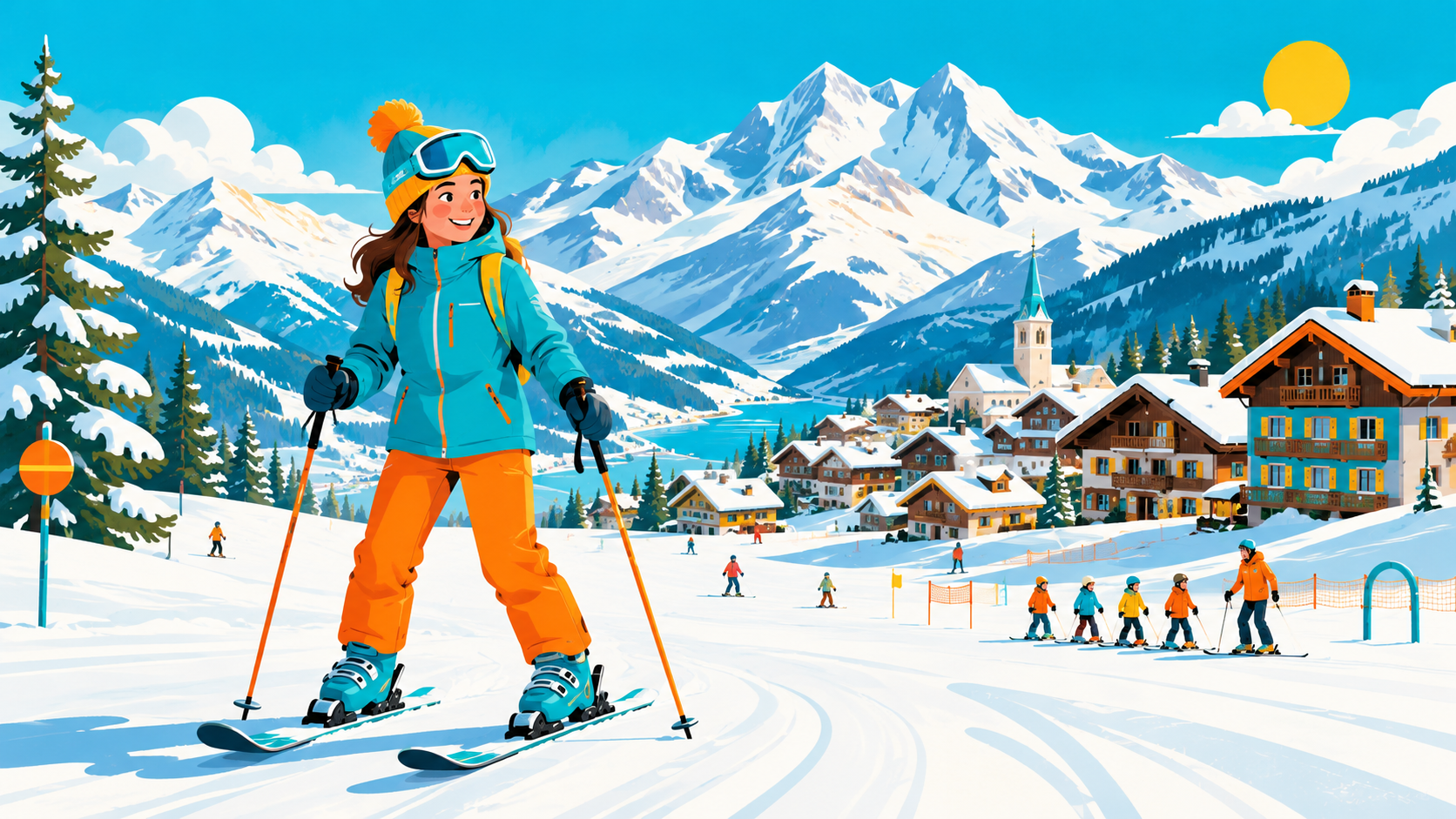
Solo ski holidays for beginners can feel like a big step. You might be excited about the mountains, fresh snow and cosy après-ski evenings, but also wondering whether it will feel awkward turning up alone, whether everyone else will be better than you, and what you actually need to book before you go.
The good news is that skiing is one of the best holidays to do solo, especially if you choose the right resort, the right accommodation and the right type of support. A first-time ski holiday does not need to mean navigating everything alone. With ski school, hosted trips, sociable chalets, beginner-friendly resorts and expert planning, you can travel independently while still having structure around you.
At Jamie Wake Travel, we help UK travellers choose ski holidays that feel exciting, realistic and reassuring. For solo beginners, that means looking beyond the cheapest deal and asking better questions: Is the resort easy for beginners? Are lessons simple to arrange? Is the accommodation close to ski school? Will there be other people to meet? Are transfers included? Is the booking properly protected?
This guide explains where to go, what to book, what to avoid and how to make your first solo ski trip feel far less intimidating.
Solo Ski Holidays for Beginners: The Simple Way to Think About It
The easiest way to approach solo ski holidays for beginners is to stop thinking only about destination and start thinking about support. A good first solo ski holiday should answer three questions clearly: where will I learn, where will I stay, and who can help if I feel unsure?
That means the best choice is rarely just the cheapest ski deal. A beginner travelling alone needs a resort with reliable ski school options, easy beginner slopes, simple transfers, accommodation close to the lifts or ski school meeting point, and clear information about what is included before they pay.
The right solo ski holiday should feel independent but not isolated. You can still travel by yourself, enjoy your own space and build confidence, while having lessons, resort support and a carefully chosen base that make the whole experience easier.
Can Beginners Really Go on a Solo Ski Holiday?
Yes, beginners can absolutely go on a solo ski holiday. In fact, learning to ski can be easier when you travel solo because your days naturally revolve around ski school, lessons, practice and rest. You are not trying to keep up with friends who may already ski faster, choose harder runs or want a different kind of holiday.
The key is not simply booking any ski resort and hoping for the best. A solo beginner needs more support than an experienced skier. You will want a resort with good ski schools, gentle nursery slopes, easy blue runs, reliable transfers, accessible ski hire and accommodation that does not leave you isolated.
This is where many first-timers go wrong. They choose a famous ski resort because they have heard the name, then discover it is better suited to confident intermediates, expensive nightlife or complex ski areas. A beginner does not need the biggest ski area in Europe on their first trip. You need a resort where the first morning feels simple, friendly and manageable.
For more general beginner planning, you may also find Planning Your First Ski Trip: What to Know helpful, especially if this is your first time comparing ski resorts, lift passes, ski hire and lessons.
What Are Solo Ski Holidays for Beginners?
Solo ski holidays for beginners are ski trips designed, or at least carefully chosen, for people travelling without a partner, family or group of friends who are also new to skiing.
They can take several different forms. Some are hosted group ski holidays where other solo travellers book onto the same trip. Others are learn-to-ski holidays where lessons, equipment and lift passes are arranged as part of the package. You can also book a regular package holiday as a solo traveller and add ski school separately.
The most important thing is understanding the difference between “solo”, “single”, “hosted” and “independent”.
A solo ski holiday simply means you are travelling on your own. A singles ski holiday usually means a holiday aimed at single travellers, although it does not always mean a dating trip. A hosted ski holiday usually includes some form of social structure, such as a host, group meals, shared activities or organised skiing. An independent solo ski holiday gives you more freedom, but you may need to arrange more of the details yourself.
For beginners, the best choice is usually one that gives you independence without leaving you unsupported. That might be a hosted chalet week, a learn-to-ski group trip, or a tailor-made package where flights, transfers, accommodation, lessons, ski hire and lift pass options are all considered before you travel.
If you are unsure whether skiing or snowboarding is the better first choice, read Skiing vs Snowboarding for First Timers before you commit. Skiing is often easier to pick up at the very beginning, while snowboarding can feel slower to start but rewarding once it clicks.
Best Types of Solo Ski Holidays for Beginners
There is no single perfect format for every solo beginner. The right holiday depends on your confidence, budget, sociability, age range, preferred comfort level and how much support you want in resort.
Hosted Solo Ski Weeks
A hosted solo ski week is ideal if you like the idea of travelling alone but do not want to spend every evening by yourself. These holidays are often designed around sociable accommodation, group meals and a friendly atmosphere. Some include a host or representative who helps people settle in.
This can work well for beginner ski holidays because your mornings may be spent in ski school, while evenings offer a relaxed way to meet others. The important thing is checking whether the trip genuinely welcomes beginners, rather than simply allowing them.
Ask whether beginner lessons can be arranged, how far the accommodation is from the ski school meeting point, and whether other first-time skiers are likely to be on the same departure.
Learn-to-Ski Group Holidays
Learn-to-ski holidays are often the most reassuring choice for complete beginners. These usually focus on first-time skiers or early-stage improvers and may include ski lessons, ski hire, lift passes and accommodation.
The benefit is simplicity. You are not trying to work out what a lift pass covers, which ski school to choose or whether you have booked the right equipment. For nervous beginners, this can remove a lot of stress.
The watch-out is flexibility. Some learn-to-ski weeks operate on set dates, in set resorts, with a specific accommodation style. If you want luxury, a quieter resort or a particular departure airport, a tailor-made option may suit you better.
For a broader first-timer overview, link this naturally with Beginner Ski Holidays: The Complete Guide to Your First Time on the Slopes.
Chalet-Style Social Holidays
A chalet or chalet-style hotel can be a lovely option for solo skiers because mealtimes are naturally more social.
You are less likely to feel exposed than you might in a large hotel restaurant, and shared dinners can make the holiday feel friendly without being forced.
This works especially well if the chalet is used to hosting solo travellers and if room options are clear. Some chalets offer single rooms, some offer room shares, and others apply a single supplement. Always check the details before booking.
For beginners, location matters. A gorgeous chalet up a steep hill or far from the ski school meeting point can make your first mornings more stressful than they need to be.
Package Holiday with Lessons Added
A standard package holiday can work well for a solo beginner if it is carefully planned. Flights, accommodation and transfers may be bundled together, and you can then add ski lessons, ski hire, helmet hire and lift passes.
This gives you more choice of resorts and hotels, but it also creates more responsibility. You need to know whether lessons should be booked before arrival, whether the beginner lift pass is enough, whether ski hire is close to your accommodation and whether transfers work smoothly.
This option is best for confident travellers who are happy being independent in the evenings but want expert help making sure the logistics are right.
Tailor-Made Solo Ski Holidays
A tailor-made ski holiday is often the best fit if you are nervous, have specific needs or want someone to help you choose properly. Instead of starting with a cheap deal, the planning starts with you: your confidence level, travel dates, departure airport, budget, preferred room type, appetite for après-ski and how social you want the trip to be.
For solo beginners, this approach can avoid common mistakes such as choosing a resort with limited nursery slopes, booking accommodation too far from lifts, forgetting winter sports insurance, or assuming lessons and equipment are included when they are not.
This is where working with a ski travel expert can make a real difference.
Which Solo Ski Holiday Style Should You Book?
| Holiday type | Best for | Pros | Watch-outs |
|---|---|---|---|
| Hosted solo ski week | Sociable beginners | Built-in company, easier dinners, less awkwardness | Dates and resorts may be limited |
| Learn-to-ski package | Complete first-timers | Lessons, hire and lift pass may be arranged together | Less flexibility on resort and accommodation |
| Package holiday with ski school | Independent beginners | More choice of resorts, hotels and dates | You must organise lessons and extras carefully |
| Chalet holiday | Travellers who want social meals | Friendly atmosphere, good for meeting others | Room shares and single supplements vary |
| Tailor-made ski holiday | Nervous or specific travellers | Expert matching, better planning, more reassurance | May cost more than the most basic DIY option |
The best option for most solo beginners is either a learn-to-ski package, a hosted trip, or a tailor-made holiday where lessons and logistics are carefully arranged in advance.
A fully DIY ski trip can be cheaper on paper, but it is not always good value if you arrive tired, confused and unsure where to collect equipment or meet your instructor. For first-time ski holidays, clarity is worth paying attention to.
Best Beginner-Friendly Resorts for Solo Ski Holidays
Choosing the right resort matters more than choosing the most famous resort. As a beginner travelling solo, you want gentle slopes, good ski schools, simple resort layout, easy transfers, friendly places to eat and enough atmosphere without feeling overwhelmed.
For a wider comparison of resorts, make sure you link to Best Ski Resorts for Beginners and European Ski Resorts with Gentle Slopes and Great Après for Beginners.
Les Gets, France
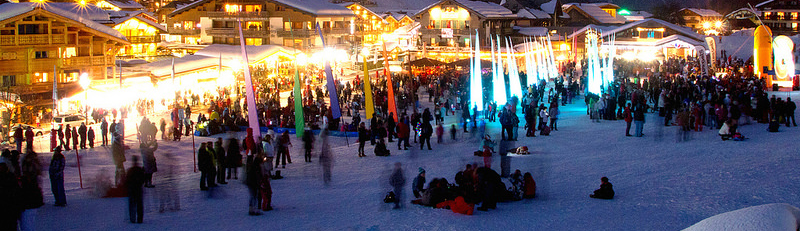
Les Gets is one of the most reassuring French resorts for beginner solo skiers. It has a traditional village feel, good ski schools, gentle beginner areas and access to the wider Portes du Soleil ski region once you progress.
For a solo beginner, the appeal is the balance. It feels like a proper ski resort without being too intense. There are cafés, restaurants and après-ski spots, but it is not as overwhelming as some larger party resorts.
Accommodation close to the village and lifts can make your first mornings much easier.
Les Gets works well if you want a friendly, scenic resort with enough going on in the evenings but still a softer learning environment.
Seefeld, Austria
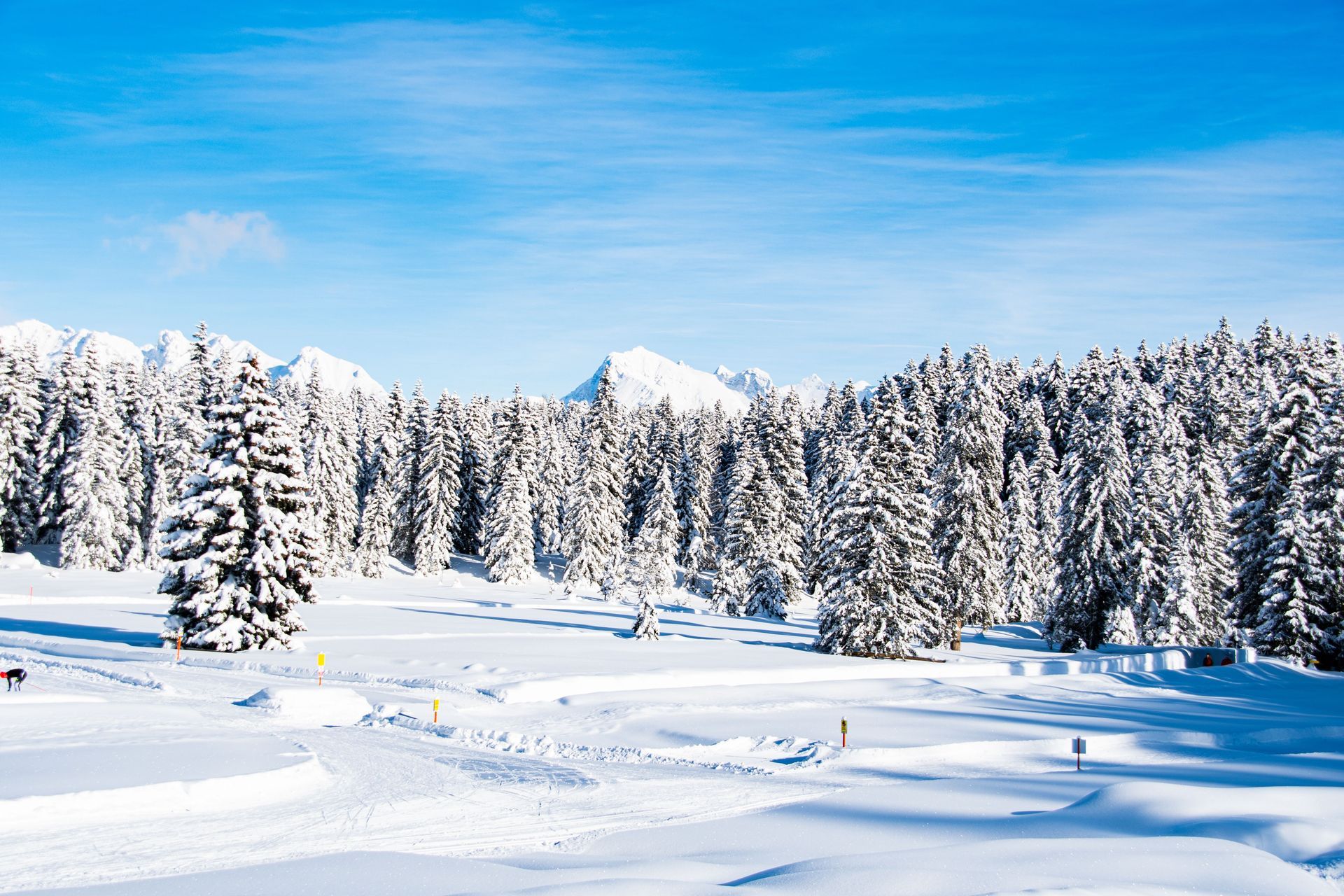
Seefeld is a strong choice for nervous beginners who want a gentle, elegant and manageable first ski trip. It is not about huge mileage or extreme terrain. Instead, it offers a relaxed Alpine atmosphere, beginner-friendly skiing and a resort that feels easy to navigate.
For solo travellers, Seefeld can feel less intimidating than larger high-energy resorts. It also has a good range of non-ski activities, which is useful if you want a rest day or discover that skiing every day is too much for your first week.
This is a good option if comfort, calm and confidence-building matter more than nightlife.
Mayrhofen, Austria
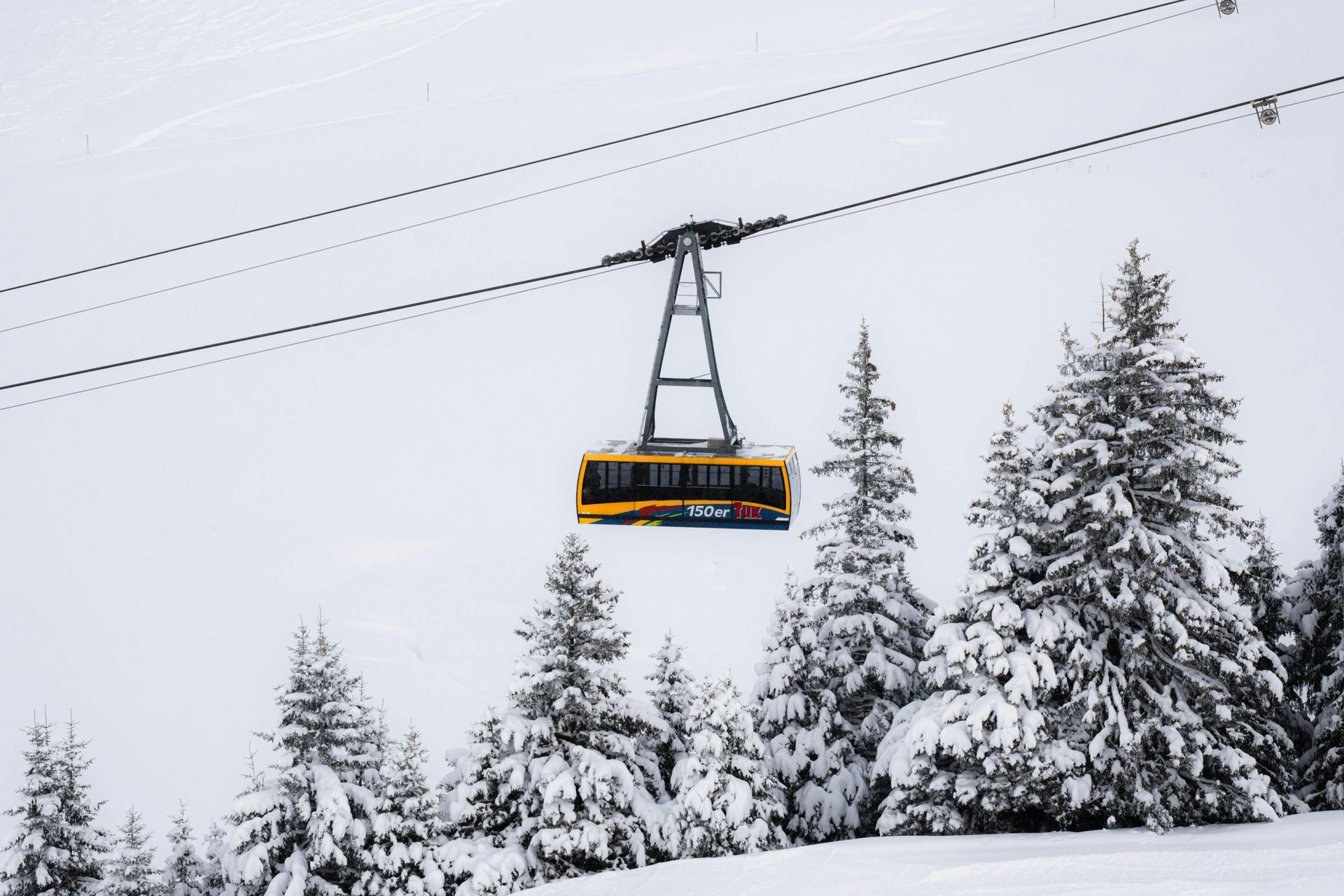
Mayrhofen is livelier than Seefeld, but it can still work well for solo beginners if planned carefully. It has a good ski school scene, plenty of accommodation and a sociable resort atmosphere. The après-ski is well known, which can be a bonus if you want evenings with energy and chances to meet people.
The key is choosing the right accommodation and lesson setup. Beginners should not be drawn in only by the nightlife. Make sure ski school access, lift connections and equipment hire are straightforward.
Mayrhofen is best for confident solo travellers who want beginner skiing during the day and a social atmosphere in the evening.
Arinsal or Soldeu, Andorra
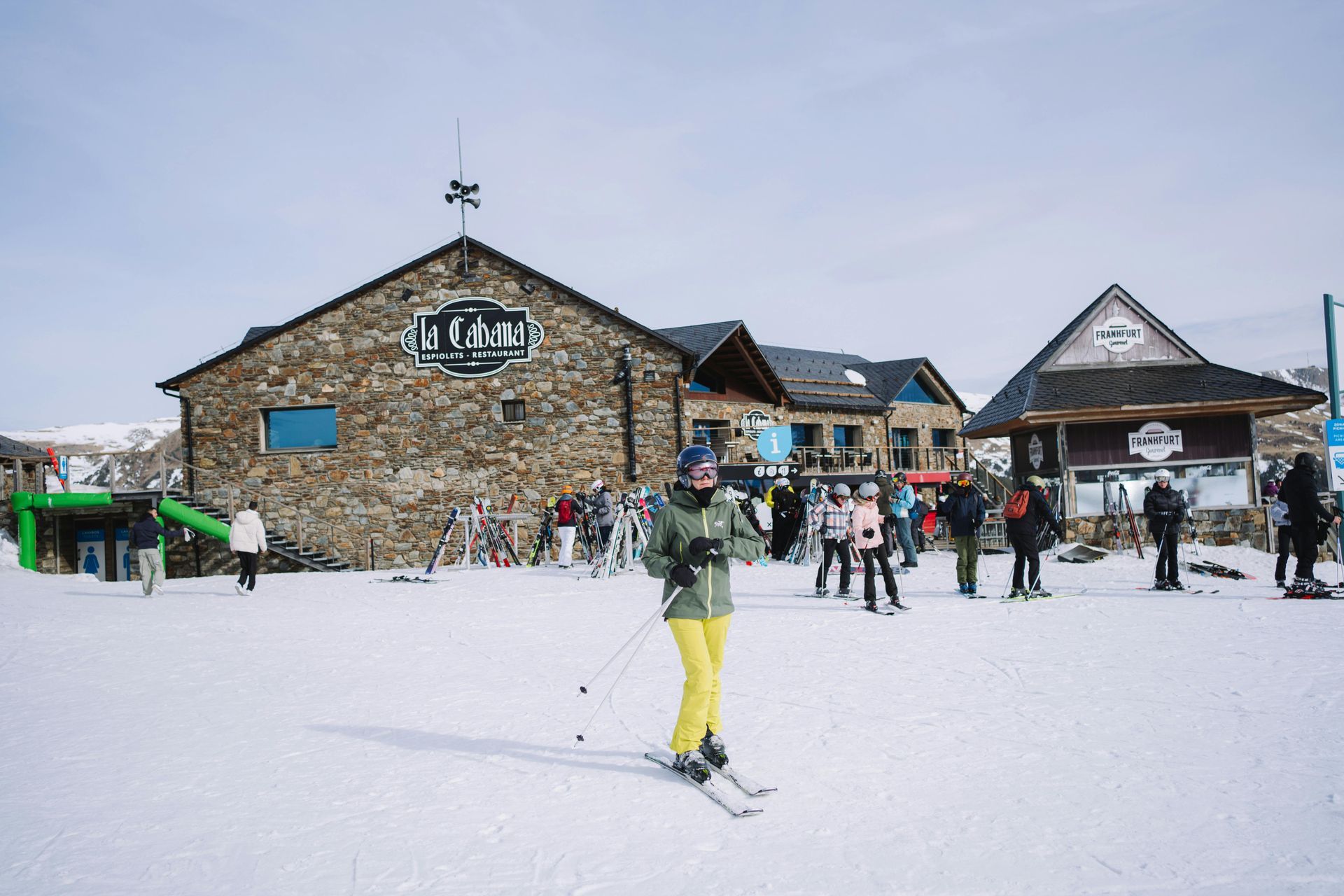
Andorra is often popular with first-time skiers because it can offer good value, English-speaking ski schools and a friendly beginner environment. Arinsal and Soldeu are both worth considering, depending on the type of holiday you want.
Arinsal is often seen as approachable and sociable, with a good beginner reputation. Soldeu can offer a slightly broader resort feel and access to a larger ski area. Both can work well for solo ski holidays for beginners, especially if you want a more affordable first attempt before committing to a premium Alpine resort.
Check exactly what is included, especially lessons, lift passes, ski hire and transfers.
Bansko, Bulgaria

Bansko is a good choice for budget-conscious solo beginners who want to keep first-time ski costs under control. It has a lively town, a range of accommodation and ski school options that often appeal to first-timers.
The benefit is value. The watch-out is that Bansko can be busy at peak times, and queues may be an issue during popular weeks. For a solo beginner, this means it is especially important to plan lesson times, accommodation location and travel dates carefully.
Bansko works best if budget is important, you are comfortable with a busier resort atmosphere, and you want a first ski holiday without premium Alpine prices.
Flaine, France
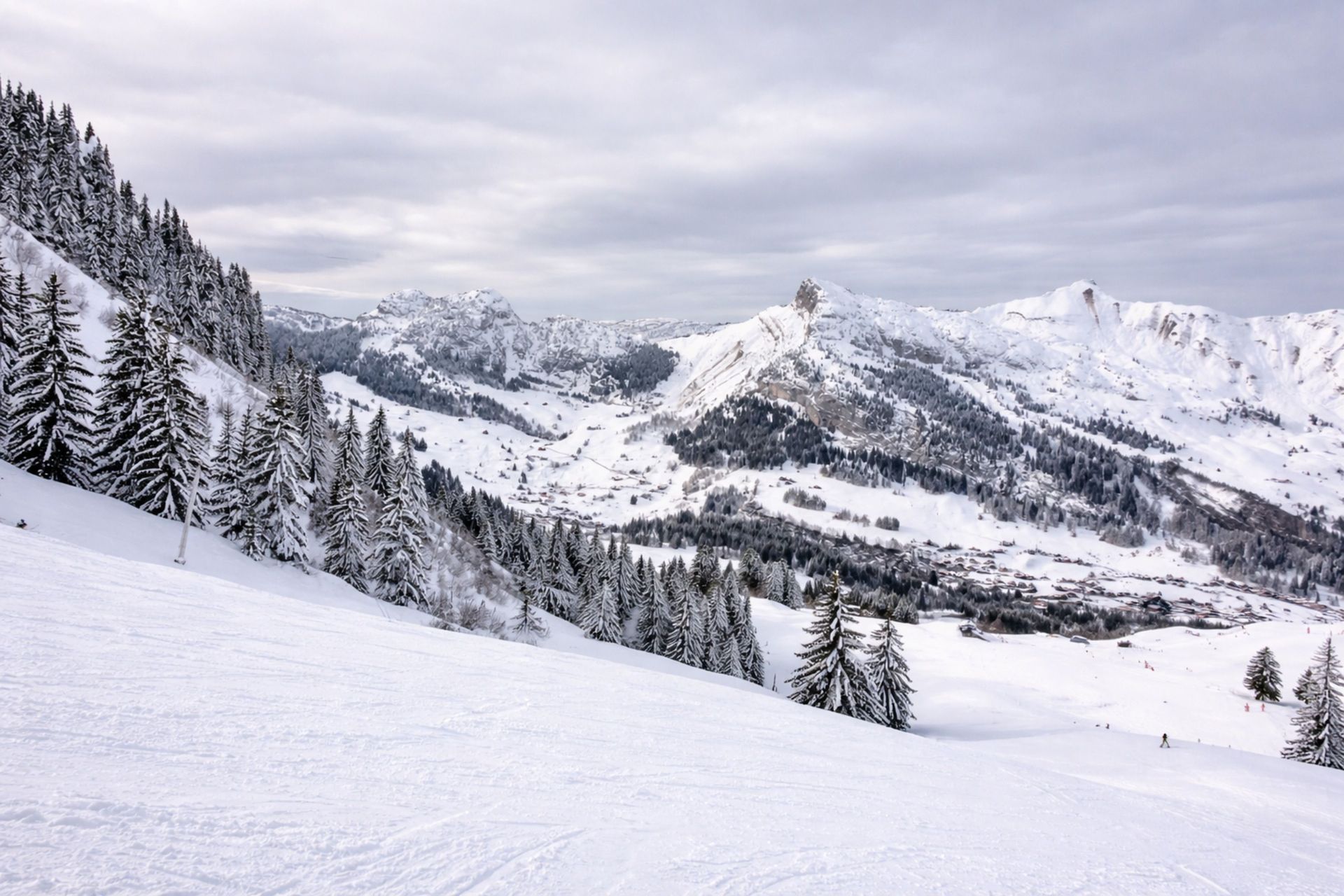
Flaine is a practical resort for beginners who like convenience. It is purpose-built, snow-sure by reputation and has access to a large ski area. For a solo beginner, the main advantage is that the resort layout can make ski logistics simpler than in spread-out villages.
It may not have the chocolate-box charm of some traditional resorts, but it can be a sensible option if your priority is easy access to slopes, ski school and accommodation.
Flaine suits solo travellers who want efficient skiing, good progression potential and a resort where the practical details can be straightforward.
La Plagne or Les Arcs, France
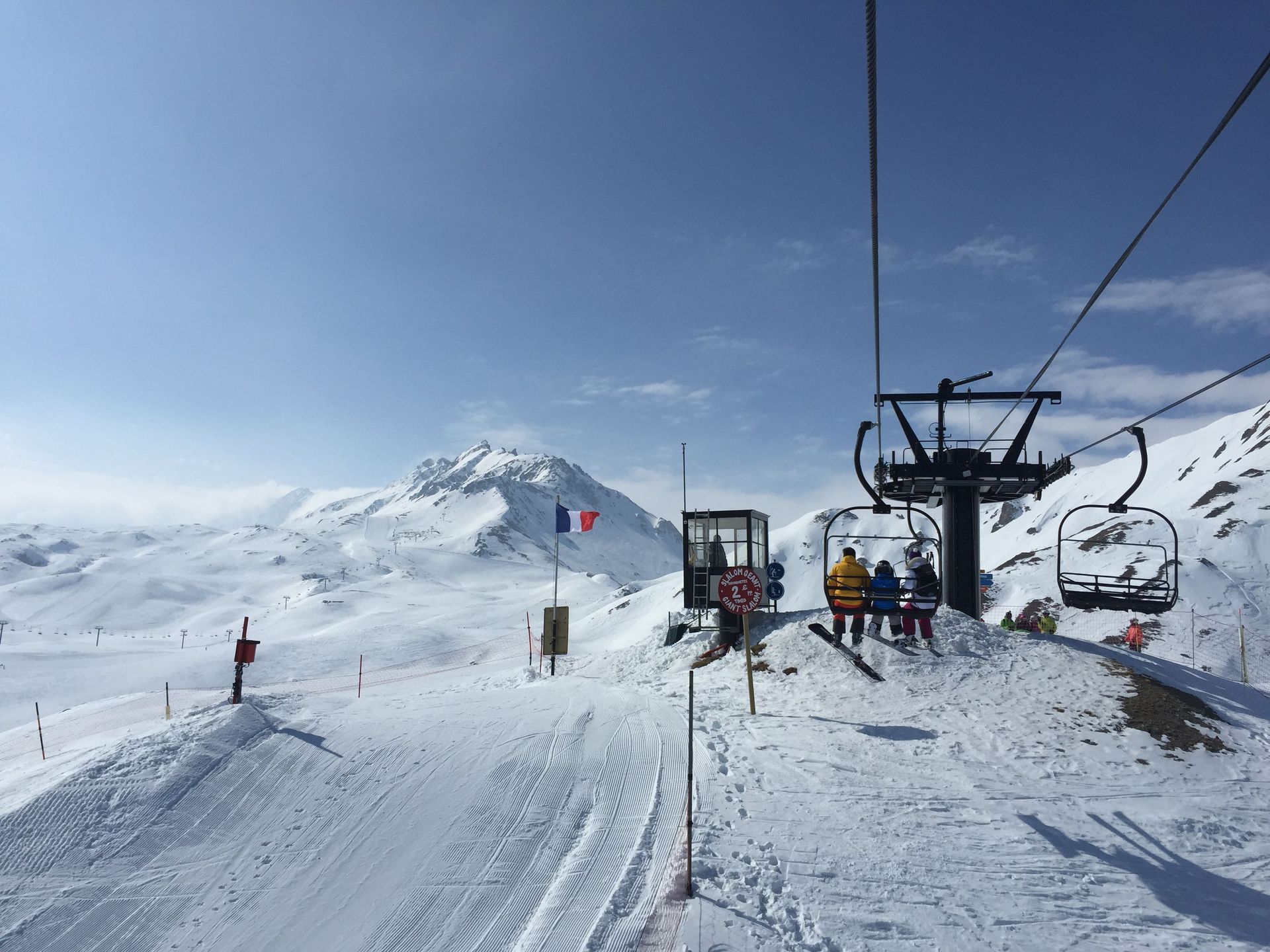
La Plagne and Les Arcs can be excellent once you start progressing, but beginners need to choose their base carefully. These are large ski areas, so the wrong village or accommodation location can make the first trip feel more complicated than necessary.
The advantage is progression. If you learn quickly, there is plenty to explore. The challenge is scale. A complete beginner should not be left trying to understand a huge ski map alone on day one.
These resorts work best with expert planning, a suitable village base, pre-booked lessons and accommodation close to beginner slopes or ski school.
Morzine, France
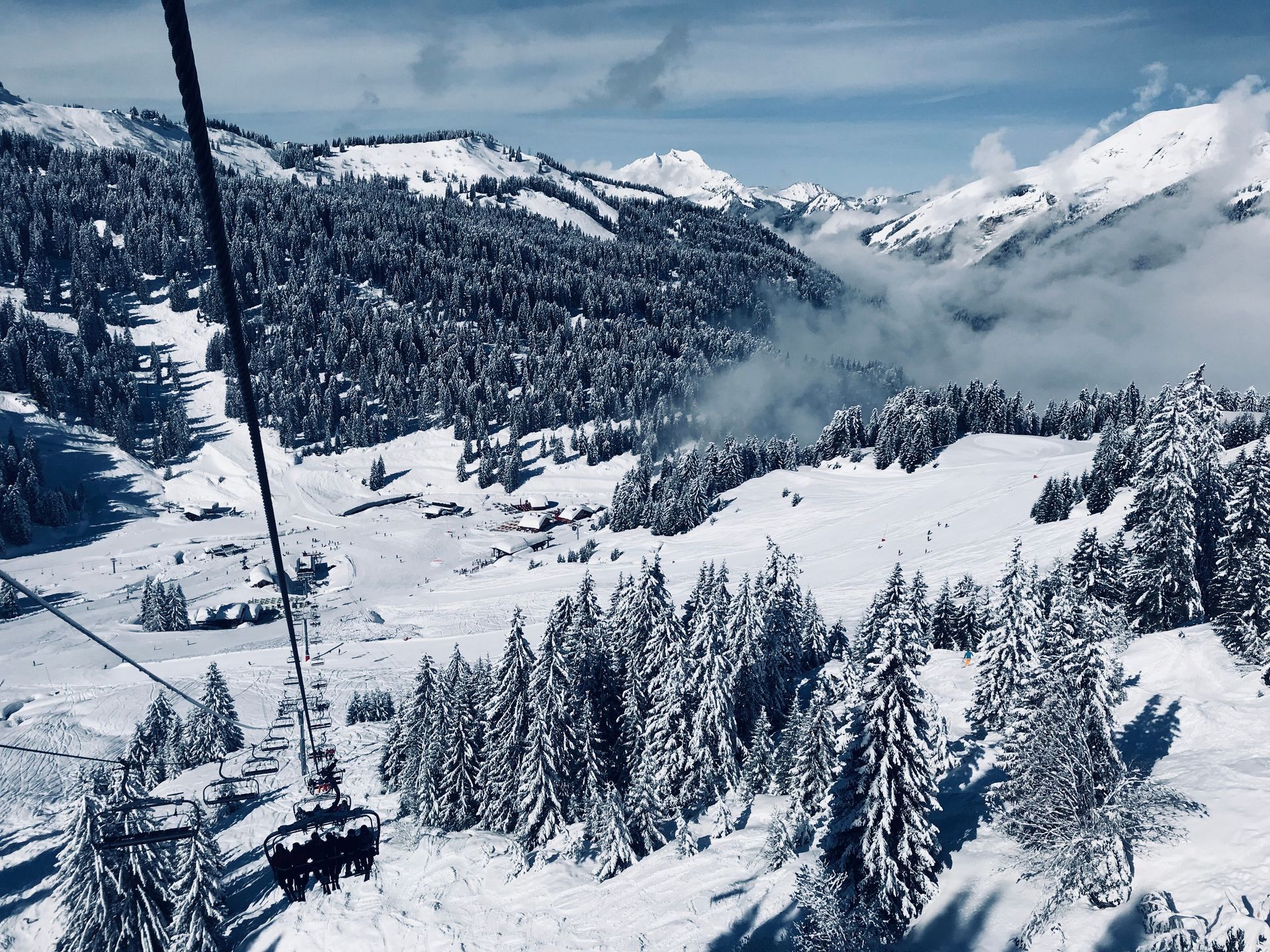
Morzine is a sociable and popular choice for UK skiers. It has a proper town feel, plenty of restaurants and bars, and access to a large ski area. For solo travellers, the atmosphere can be a real advantage because it feels lived-in rather than isolated.
As with Mayrhofen, the key is not assuming popularity automatically means beginner suitability. Morzine can work very well if you choose accommodation sensibly and arrange lessons in advance.
It is a good choice for solo beginners who want somewhere friendly, familiar to UK travellers and lively enough to enjoy after skiing.
Zell am See, Austria
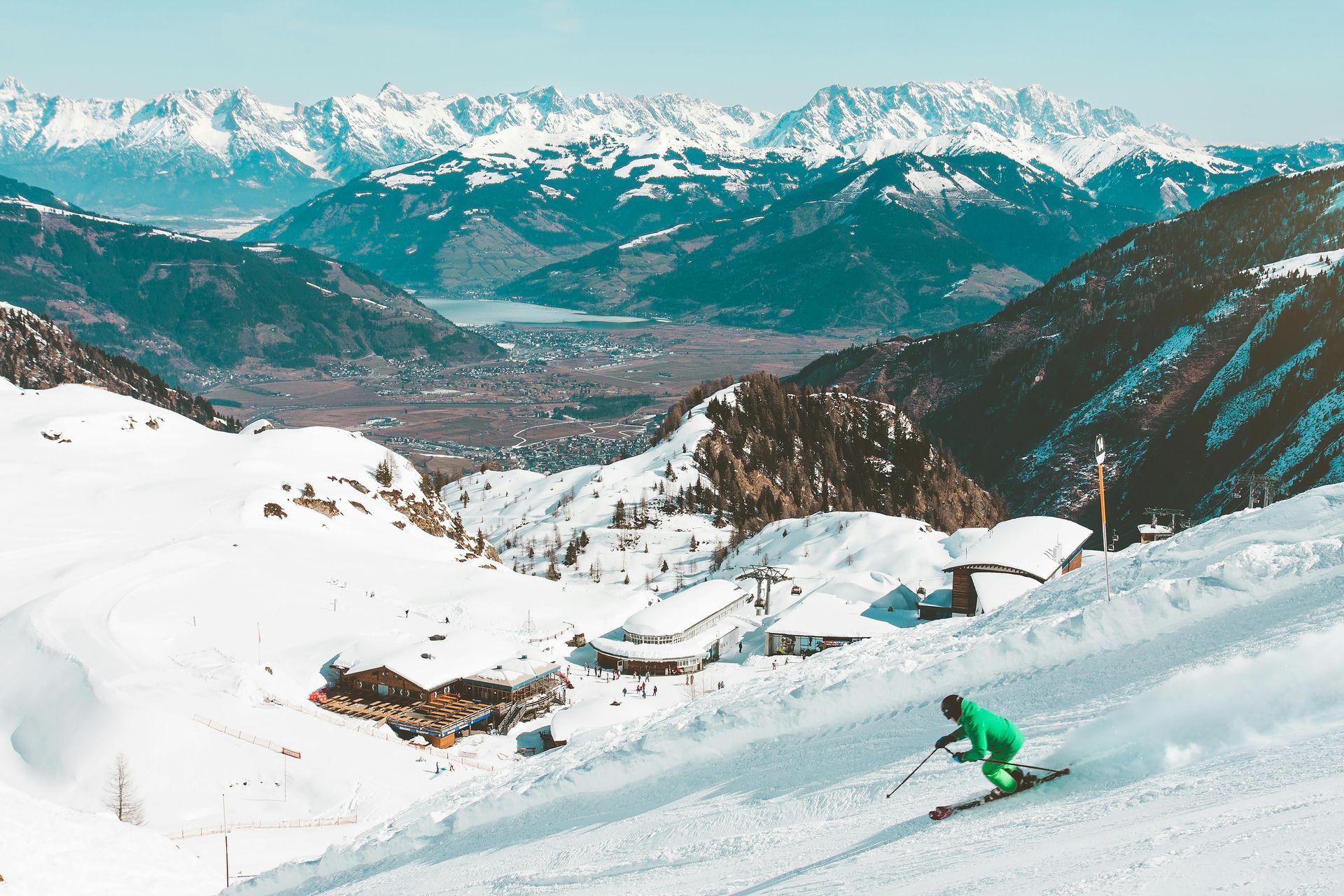
Zell am See is a strong option if you want beautiful scenery, a real town and a softer first-time ski experience. It has lake and mountain views, a good range of accommodation and plenty to do away from the slopes.
For a solo beginner, non-ski options matter more than many people realise. If you are tired, sore or simply want a slower afternoon, it is reassuring to be somewhere with cafés, walks and a town atmosphere.
Zell am See works well for travellers who want skiing, comfort and atmosphere rather than an intense all-ski, all-day trip.
Sestriere or Sauze d’Oulx, Italy
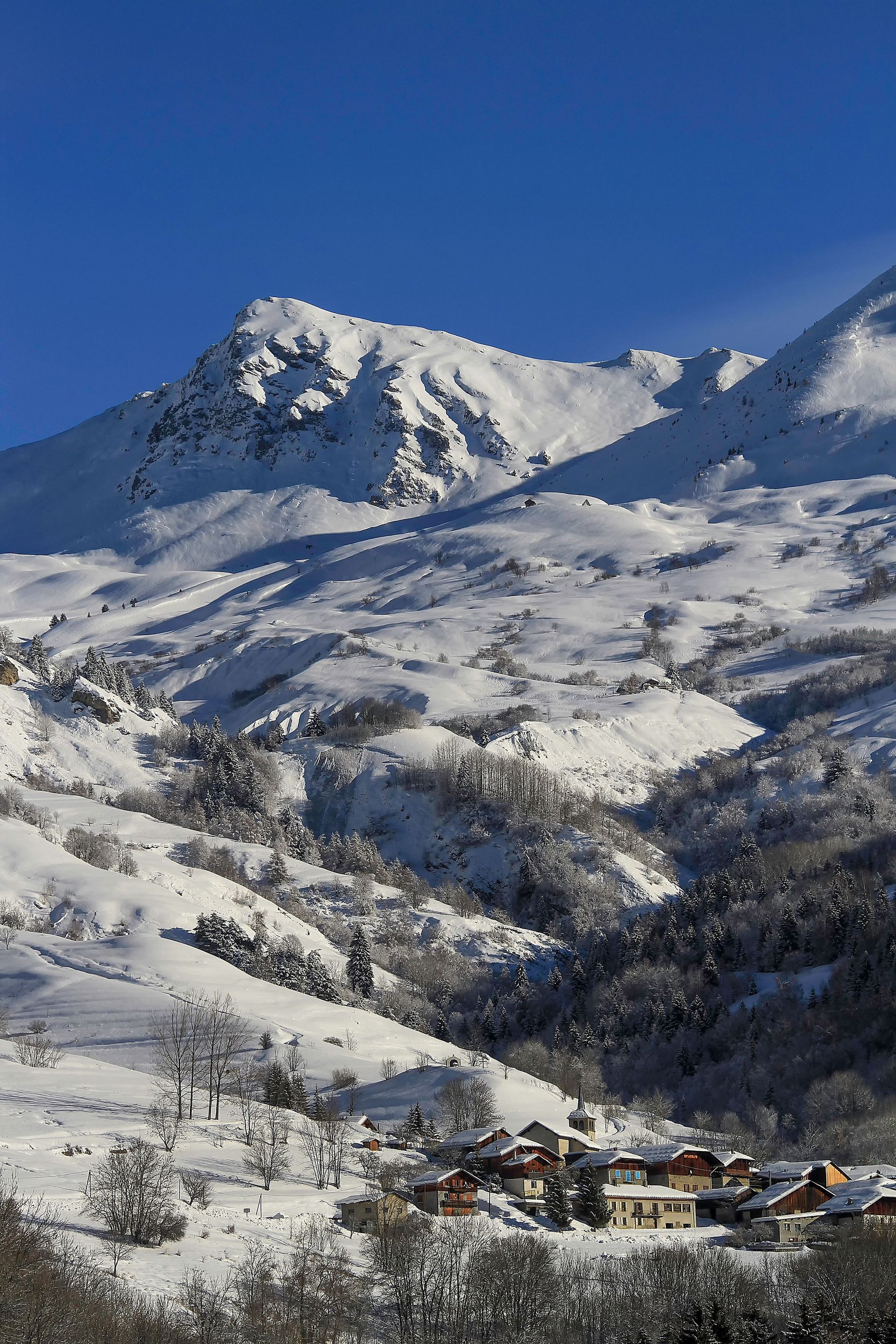
Italian ski resorts can be a good choice for solo beginners who want a relaxed atmosphere, good food and often better value than some French or Swiss resorts. Sestriere and Sauze d’Oulx offer access to the Milky Way ski area, but beginners should choose carefully based on ski school access and accommodation location.
Italy can feel less pressured than some high-performance ski destinations, which may suit nervous first-timers. The watch-out is making sure your specific base works for beginners, not just the wider ski area.
These resorts are best for solo travellers who want a warm, relaxed feel and a holiday that includes more than just skiing.
Best Resorts by Beginner Travel Style
If you are still unsure which resort sounds right, it can help to match the destination to the type of first solo ski holiday you want.
For a gentle and reassuring first trip, Seefeld and Zell am See are strong choices because they offer a softer pace, attractive surroundings and useful non-ski activities. These are good options if you want your first ski holiday to feel calm rather than full-on.
For sociable beginners, Les Gets, Morzine and Mayrhofen work well because they combine ski school options with a friendly resort atmosphere. They are useful choices if you like the idea of meeting people after lessons but do not want to feel pushed into a party holiday.
For value-led solo ski holidays, Arinsal, Soldeu and Bansko are worth considering. Ski holidays in Andorra and ski holidays in Bulgaria can often appeal to first-timers who want to keep costs more manageable, although dates, inclusions and resort location still matter.
For progression after the first few days, Flaine, La Plagne and Les Arcs can be good options. These resorts offer more room to grow once you are comfortable, but they need careful planning because larger ski areas can feel confusing if you choose the wrong base.
For a relaxed food-and-mountain atmosphere, ski holidays in Italy can be appealing. Resorts such as Sestriere and Sauze d’Oulx can work well for solo beginners who want skiing, good food and a less pressured feel.
For classic Alpine variety, ski holidays in France and ski holidays in Austria offer some of the broadest choices for UK travellers, from sociable resorts to quieter confidence-building bases.
Jamie Says:
"A first ski holiday already feels like a big unknown, so doing it solo can make people overthink everything. But the truth is, skiing is one of the easiest holidays to structure when you are travelling alone because your days naturally have a rhythm: lessons in the morning, practice or rest in the afternoon, and relaxed evenings in resort.
The mistake I would avoid is booking purely on price or choosing a famous resort just because you have heard of it. For your first solo ski trip, the best resort is not necessarily the biggest ski area or the liveliest après-ski scene. It is the place where ski school is easy to access, the beginner slopes are genuinely suitable, the accommodation is well located, and you will not feel stranded once you arrive.
I would always start by asking: “Will this holiday make the first morning easier?” If the answer is yes, you are probably looking in the right direction."
How to Choose the Right Resort as a Solo Beginner
A beginner-friendly resort is not just a resort with one nursery slope. For solo ski holidays for beginners, you need the whole experience to be manageable.
Start with ski school. A good ski school should offer group ski lessons for adult beginners, clear meeting points and suitable timings. Morning lessons often work well because they give structure to your day and leave the afternoon for practice or rest.
Next, look at nursery slopes and easy blue runs. You do not need hundreds of kilometres of skiing. You need gentle progression. The best first ski trips let you build from flat beginner areas to simple green or blue runs without feeling rushed.
Accommodation location is also crucial. A hotel that looks cheaper but sits far from the lifts can make every morning harder. Carrying skis and walking in ski boots is not fun when you are new. Being close to ski hire, ski school or a shuttle stop can make the holiday feel much smoother.
Think about the resort atmosphere too. Some solo beginners want lively après-ski and easy socialising. Others want cosy restaurants, early nights and gentle confidence-building. Neither is wrong. The right resort is the one that matches your personality.
If you are still comparing costs, equipment and resort types, First-Time Ski Trips Explained: Costs, Gear and Choosing the Right Resort is a useful internal link to include here.
What to Book Before You Travel
What Should You Book First?
For a first solo ski trip, the safest order is usually resort, lessons, accommodation, travel, then extras. Start by choosing a beginner-friendly resort with ski school availability on your preferred dates. Once lessons are possible, choose accommodation that makes getting to ski school easy. Then look at flights and transfers that arrive at sensible times.
After that, add ski hire, helmet hire, lift pass and winter sports insurance. This order helps avoid a common beginner mistake: booking a cheap hotel or flight first, then discovering that lessons are full, transfers are awkward or the accommodation is too far from the beginner slopes.
A UK ski holiday specialist can help pull these pieces together so the final holiday works as a complete trip, not a collection of separate parts.
A beginner ski holiday has more moving parts than a beach holiday. That does not mean it needs to be complicated, but it does mean you should know what is included before you pay.
Flights and Transfers
For UK travellers, flights and transfers are often the first practical consideration. A cheaper flight may not be good value if it lands late, creates an awkward transfer or leaves you arriving exhausted before your first lesson.
Shared transfers can work well, but check timings carefully. Private transfers may cost more but can be easier if you are nervous, arriving late or travelling with lots of luggage.
Accommodation
Choose accommodation based on ease, not just appearance. For a solo beginner, the best accommodation is usually close to ski school, ski hire, lifts, resort centre or a reliable shuttle.
Also check whether the room is genuinely suitable for solo occupancy. Some hotels charge a single supplement. Some chalets offer shared rooms. Some hosted holidays may match solo travellers in twin rooms. Make sure you are comfortable with the arrangement before booking.
Ski Lessons
Lessons should usually be arranged before travel, especially in peak weeks. Adult beginner group lessons are often the best starting point because they provide structure, confidence and a natural social group.
Do not assume you can simply arrive and book lessons on the spot. Availability, language, times and group levels can vary.
Ski Hire and Helmet Hire
Most beginners hire skis, boots, poles and a helmet. This is sensible because you do not yet know what equipment you like or whether skiing will become a regular habit.
Check where the hire shop is located. A slightly cheaper hire option is not always worth it if it is awkward to reach. Some packages include ski hire, while others require it to be added separately.
Lift Pass
Beginners do not always need the largest or most expensive lift pass. In some resorts, a local beginner pass may be enough for the first few days. In others, the main pass may be required for ski school access.
This is one of the areas where expert advice helps. Buying too much pass can waste money. Buying too little can create hassle if your lessons require a different area.
Costs and Extras Beginners Often Forget
Beginner ski holidays can look confusing because the headline price does not always include everything you need. Before comparing holidays, check whether the price includes flights, transfers, accommodation, meals, ski carriage, ski hire, helmet hire, lift pass and lessons.
Some holidays include several of these. Others include only flights and accommodation, with ski extras added afterwards. Neither is automatically wrong, but you need to compare the total cost, not just the starting price.
Beginners should also budget for suitable ski clothing, gloves, goggles, warm layers, après-ski spending, lunches on the mountain and winter sports insurance. This is why First-Time Ski Trips Explained: Costs, Gear and Choosing the Right Resort is such a useful supporting guide for first-time travellers.
Winter Sports Insurance
Standard travel insurance is usually not enough for skiing. You need winter sports insurance that covers skiing, equipment, piste rescue, medical treatment and cancellation terms relevant to ski holidays.
Read the policy carefully. Check whether it covers skiing on marked pistes, lessons, hired equipment and any activities you plan to do. Travelling without suitable winter sports insurance is one of the biggest mistakes a beginner can make.
Group Lessons vs Private Lessons
Most solo beginners should start with group ski lessons. Group lessons are usually better value and give you a ready-made social circle. Everyone is learning together, which helps reduce embarrassment. You quickly realise that falling over, stopping awkwardly and forgetting which way to lean are completely normal.
Group lessons also create structure. You know where to be each morning, who you are skiing with and what level you are working towards. This can be especially reassuring when travelling alone.
Private lessons can also be useful. They are more expensive, but they give you focused attention and can help nervous beginners build confidence quickly. A private lesson on the first afternoon or midway through the week can be a good boost if you feel stuck.
A good compromise is group lessons for several mornings, then optional private tuition if you want extra help. Beginners should avoid trying to teach themselves. Skiing is much more enjoyable when the basics are explained properly from the start.
Accommodation Choices for Solo Beginner Skiers
Accommodation can shape your solo ski experience almost as much as the resort. A great beginner resort can still feel awkward if you are staying somewhere isolated, too far from the slopes or completely unsocial.
Shared Chalets
Shared chalets are often a good choice for solo ski holidays. Meals are usually more social, and the atmosphere can feel friendly without requiring you to organise everything yourself. This can be ideal if you are worried about eating alone.
Check the room setup carefully. Some chalets offer single rooms, some offer twin sharing, and some charge a single supplement.
Hotels with Single Rooms
A hotel with a proper single room gives privacy and independence. This may suit you if you like meeting people in lessons but want quiet evenings.
The downside is that large hotels can sometimes feel less social. If you are concerned about loneliness, look for hotels with welcoming lounges, half-board dining or easy access to resort restaurants.
Chalet Hotels
Chalet hotels can offer a middle ground between hotel comfort and chalet sociability. They may have more facilities than a small chalet but still feel friendlier than a standard hotel.
This can be a good option if you want comfort, food included and the possibility of meeting people without being on a fully hosted group trip.
Apartments and Studios
Apartments can work for independent travellers, but they are not always the best first choice for solo beginners. Self-catering may reduce costs, but it can also mean more time alone and more logistics.
If you book an apartment, make sure it is close to lifts, shops and resort centre. A remote studio might look good value online but feel isolating in practice.
Hosted Group Accommodation
Hosted accommodation is often the easiest option if you want company built into the trip. It can remove the awkwardness of solo dining and help you meet like-minded travellers.
The key is checking the group profile. Some trips attract younger party-focused travellers, while others are aimed at mixed ages, mature solo travellers or relaxed beginners.
What a First-Time Solo Ski Week Might Look Like
One of the best ways to reduce nerves is to understand how the week may flow.
On arrival day, you will usually transfer to resort, check in, collect or confirm your ski hire details and settle into the accommodation. If you have booked a package or organised trip, there may be welcome information or a chance to meet other guests.
Your first ski morning will usually involve getting to the hire shop, collecting boots, skis, poles and helmet, then heading to the ski school meeting point. This is the bit many beginners worry about, but ski resorts are used to first-timers. You will not be the only person walking awkwardly in ski boots.
Lessons often start on very gentle terrain. You may learn how to balance, stop, turn, use lifts and control speed. Progress can feel slow at first, but confidence usually builds over the week.
Lunch might be with your lesson group, back at the accommodation or in a mountain restaurant. In the afternoon, you might practise, take a rest, explore the village or enjoy a non-ski activity.
Evenings depend on the holiday style. In a chalet or hosted trip, dinner may be social. In a hotel, you might eat independently or join people you met in lessons. Après-ski does not have to mean heavy partying. It can be a hot chocolate, a glass of wine, live music or simply sitting somewhere warm after a day outside.
By the end of the week, many beginners are surprised by how much they have learned. You may not be racing down red runs, but you should have a clearer sense of whether skiing is something you want to do again.
This is also a natural place to link to The Benefits of Solo Travel in 2025, because skiing solo can build confidence, independence and a real sense of achievement.
Will It Feel Awkward Travelling Alone?
This is one of the biggest worries with solo ski holidays for beginners, but the reality is usually much easier than people imagine. Ski school gives you a natural group from the first morning, and everyone is focused on learning rather than judging anyone else.
It is also worth saying clearly that a solo ski holiday does not have to be a dating holiday. Some trips are aimed at single travellers, but many are simply designed for people who want to ski, learn, relax and meet others without needing a partner or group of friends to travel with.
If you are worried that everyone else will be better than you, choose a beginner lesson group or a learn-to-ski departure. You should be placed with people at a similar level, and no good instructor will expect first-timers to know what they are doing. Falling over, feeling clumsy and needing things repeated are all completely normal.
The right holiday should make you feel included, not exposed.
What Solo Beginner Skiers Should Avoid
The biggest mistake is choosing a resort because it is famous rather than because it suits beginners. Some well-known resorts are brilliant for experienced skiers but less ideal for a first solo trip.
Avoid accommodation far from lifts or ski school unless there is a reliable shuttle. Walking long distances in ski boots while carrying equipment can make mornings stressful.
Do not skip lessons. Even if you are sporty, skiing has specific techniques and safety rules. Lessons help you enjoy the mountain safely and confidently.
Avoid assuming that every package includes everything. Ski holidays can involve separate costs for lift pass, ski hire, helmet, lessons, equipment carriage, transfers, clothing and insurance.
Be careful with very cheap deals. Cheap can be excellent value, but it can also mean poor location, awkward transfers, limited beginner terrain or lots of extras added later.
Do not book without winter sports insurance. Medical treatment, piste rescue and equipment issues can be expensive, and standard travel insurance may not cover skiing.
Finally, avoid over-planning every evening. Your first ski holiday can be physically tiring. Give yourself permission to rest.
UK Booking Confidence: Protection, Insurance and Support
For UK travellers, ski holiday protection matters. If you book a flight-inclusive package, check whether it is an ATOL protected ski holiday. ATOL protection can be especially reassuring when your trip includes flights and other travel arrangements booked together.
It is also worth understanding how your money is protected. At Jamie Wake Travel, bookings are handled with financial protection through Protected Trust Services, and qualifying flight-inclusive packages are ATOL protected. For a solo beginner, this matters because ski holidays often involve several moving parts, including flights, transfers, accommodation, ski hire, lessons and lift passes.
Winter sports insurance is also essential. Standard travel insurance is usually not enough for skiing. A suitable policy should include medical expenses, piste rescue, cancellation, equipment, personal liability and the specific winter sports activities you plan to do. Check the wording carefully, especially if you may snowboard, use snow parks or do anything beyond marked pistes.
Booking through a ski travel expert can also help you avoid mismatches. A good expert will not just ask where you want to go. They will ask how confident you feel, whether you want a social atmosphere, whether you prefer a hotel or chalet, what your budget is, and how much support you want before and during travel.
For solo ski holidays for beginners, that guidance can be the difference between a stressful first trip and one that feels exciting from the start.
Why Book Through a Ski Travel Expert?
A beginner ski holiday is not just about finding a bed and a flight. It is about matching the whole trip to your ability, confidence and expectations.
This is where a UK ski holiday specialist can add real value. Instead of simply comparing prices, they can help you understand whether you are looking at beginner ski holidays, solo skiing holidays, singles ski holidays, a hosted ski holiday, a group ski holiday or a more flexible tailor-made option. Those phrases can sound similar online, but they can lead to very different experiences in resort.
A ski travel expert can help you choose a resort with appropriate beginner terrain, good ski school options and accommodation in the right location. They can explain whether ski hire, helmet hire, lift passes, lessons and transfers are included or need to be added.
They can also help you avoid the trap of booking something that looks right online but does not work well in practice. For example, a large ski area may sound impressive, but it may be unnecessary for a first-time skier. A cheap hotel may save money, but not if it is far from the ski school meeting point. A lively resort may sound fun, but not if you want relaxed evenings and early nights.
At Jamie Wake Travel, we can help you compare options, narrow down suitable resorts and create a ski holiday that feels right for you. Whether you want a sociable hosted trip, a gentle beginner resort, a value-led first attempt or a more premium tailor-made ski holiday, the planning should start with how you want to feel on the mountain.
Questions to Ask Before Booking
Before you book, ask these questions:
- Is the resort genuinely suitable for beginners?
- Where is the ski school meeting point?
- How far is the accommodation from the slopes or lifts?
- Are group ski lessons available for adult beginners?
- Are ski hire, helmet hire and lift pass included?
- Is the lift pass suitable for beginner areas?
- Are airport transfers included?
- Is there a single supplement?
- Will there be other solo travellers?
- Is the accommodation social or private?
- What non-ski activities are available?
- What financial protection applies?
- Does my insurance include winter sports cover?
If you cannot answer those questions clearly, pause before booking. A good ski holiday should feel exciting, not confusing.
FAQs About Solo Ski Holidays for Beginners
Can beginners go on solo ski holidays?
Yes, beginners can go on solo ski holidays, and many people find it a brilliant way to learn. The key is choosing the right type of trip. A complete beginner should look for good ski schools, gentle nursery slopes, easy transfers and accommodation close to lifts or ski school. A hosted group trip, learn-to-ski package or tailor-made ski holiday can offer more reassurance than a fully DIY approach. Solo does not have to mean unsupported. With lessons arranged and the right resort chosen, your days can feel structured, sociable and confidence-building.
Where is best for a first solo ski holiday?
The best resort for a first solo ski holiday is usually one with gentle slopes, clear ski school options, easy resort layout and enough atmosphere to feel welcoming. Les Gets, Seefeld, Arinsal, Soldeu, Bansko, Flaine, Morzine, Zell am See and carefully chosen bases in La Plagne or Les Arcs can all work well for beginners. The “best” choice depends on your budget, confidence and preferred atmosphere. Nervous beginners may prefer quieter, manageable resorts, while sociable travellers may enjoy livelier resorts with friendly après-ski and hosted accommodation options.
Are solo ski holidays awkward if you are a beginner?
They do not have to be awkward. Ski school gives your day structure and helps you meet people naturally because everyone in your group is learning at a similar level. Shared chalets, hosted trips and group lessons can also make meals and evenings feel easier. The most awkward experiences usually happen when beginners book isolated accommodation or a resort that does not suit their ability. If you choose a beginner-friendly resort and arrange lessons before you go, a solo ski holiday can feel surprisingly sociable, relaxed and empowering.
Should I book group ski lessons or private lessons?
Most beginners should start with group ski lessons because they are usually better value and more sociable. Group lessons are ideal for solo travellers because you meet other people at a similar stage and follow a clear learning structure. Private lessons can be useful if you are nervous, want focused attention or need help after a difficult first day. A good option is to book group lessons for several mornings and add a private lesson if needed. Avoid trying to teach yourself, as good instruction makes skiing safer and much more enjoyable.
What should be included in a beginner solo ski holiday?
A beginner solo ski holiday should ideally include, or clearly allow you to add, flights, transfers, suitable accommodation, ski lessons, ski hire, helmet hire, lift pass and winter sports insurance. Some learn-to-ski packages include several of these elements, while standard package holidays may require extras to be booked separately. The most important thing is clarity. Before paying, know exactly what is included, where ski school meets, how far your accommodation is from the slopes and whether there is a single supplement. Beginners should avoid vague bookings with hidden extras.
Are there solo ski holidays with no single supplement?
Yes, some solo ski holidays offer no single supplement, but availability varies by operator, accommodation and departure date. Hosted group trips and shared chalet holidays are often more likely to offer solo-friendly room arrangements. Some may match solo travellers in twin rooms, while others offer dedicated single rooms or waive supplements on selected dates. Always check the details carefully. “Solo-friendly” does not automatically mean no supplement. If avoiding a single supplement is important, ask before booking and compare whether the total package still represents good value.
Is it better to book a hosted ski trip or a package holiday?
For many solo beginners, a hosted ski trip is easier socially because meals, introductions and group structure are often built in. This can reduce the worry of being alone in the evenings. A package holiday can offer more flexibility, resort choice and hotel options, but you may need to organise lessons, hire and lift passes separately. The best option depends on your confidence. If you want company and reassurance, choose hosted. If you are independent but want expert planning, a package holiday with lessons arranged in advance can work very well.
How many days of ski lessons does a beginner need?
Most complete beginners benefit from at least three to five half-days of group ski lessons on a first ski holiday. A full week of morning lessons can work well because it gives structure while leaving afternoons for practice, rest or exploring the resort. Some people progress quickly, while others need more time to feel confident. Do not rush. The aim of your first trip is to learn safely, enjoy the mountain and build confidence. Extra private tuition can help if you feel stuck or nervous during the week.
What should I avoid when booking my first solo ski holiday?
Avoid choosing a resort only because it is famous, cheap or popular with experienced skiers. Beginners should avoid accommodation far from lifts, unclear lesson arrangements, complicated transfers and packages where essential extras are not explained. Do not skip winter sports insurance, and do not assume lift pass, ski hire, helmet or lessons are included. Also avoid overcommitting to intense après-ski if you are likely to be tired after lessons. A good first solo ski holiday should feel simple, supportive and realistic, not like a test of endurance.
Do I need winter sports insurance for a ski holiday?
Yes, you should have winter sports insurance for a ski holiday. Standard travel insurance often does not automatically cover skiing. A suitable policy should include medical treatment, mountain rescue, cancellation, personal liability and equipment-related cover. Read the wording carefully and check whether it covers skiing on marked pistes, lessons, hired equipment and any extra activities you plan to do. If you are snowboarding, using terrain parks or skiing off-piste, check the exclusions. For beginners, insurance is not just a formality. It is an essential part of responsible ski holiday planning.
Final Thoughts: The Best Solo Ski Holiday Is the One That Fits You
Solo ski holidays for beginners are not about being brave enough to do everything alone. They are about choosing a trip that gives you the right mix of independence, instruction, sociability and support.
The best resort for you may not be the biggest or most famous. The best accommodation may not be the cheapest. The best package may not be the one with the most kilometres of pistes. For a first solo ski trip, the best choice is the one that makes your first morning feel manageable and your first week feel enjoyable.
Start with the basics: a beginner-friendly resort, good ski school, easy accommodation location, clear inclusions, suitable insurance and the right level of social support. Then build the holiday around your personality. If you want company, look at hosted or chalet-style trips. If you want privacy, choose a well-located hotel with lessons arranged. If you want reassurance, ask a ski travel expert to help you plan everything properly.
A first ski holiday can feel like a big leap, but it can also be one of the most rewarding solo travel experiences you ever have. With the right planning, you will not just learn to ski. You will prove to yourself that you can do something new, exciting and completely memorable on your own terms.
For help choosing the right resort, accommodation, lessons and booking style, speak to Jamie Wake Travel about beginner-friendly ski holidays tailored to you. Whether you are comparing your first trip, looking for a sociable solo option or trying to work out which resort will feel easiest, expert planning can help you book with far more confidence.