First-Time Ski Trips Explained: Costs, Gear and Choosing the Right Resort
First-Time Ski Trips Explained: Costs, Gear and Choosing the Right Resort
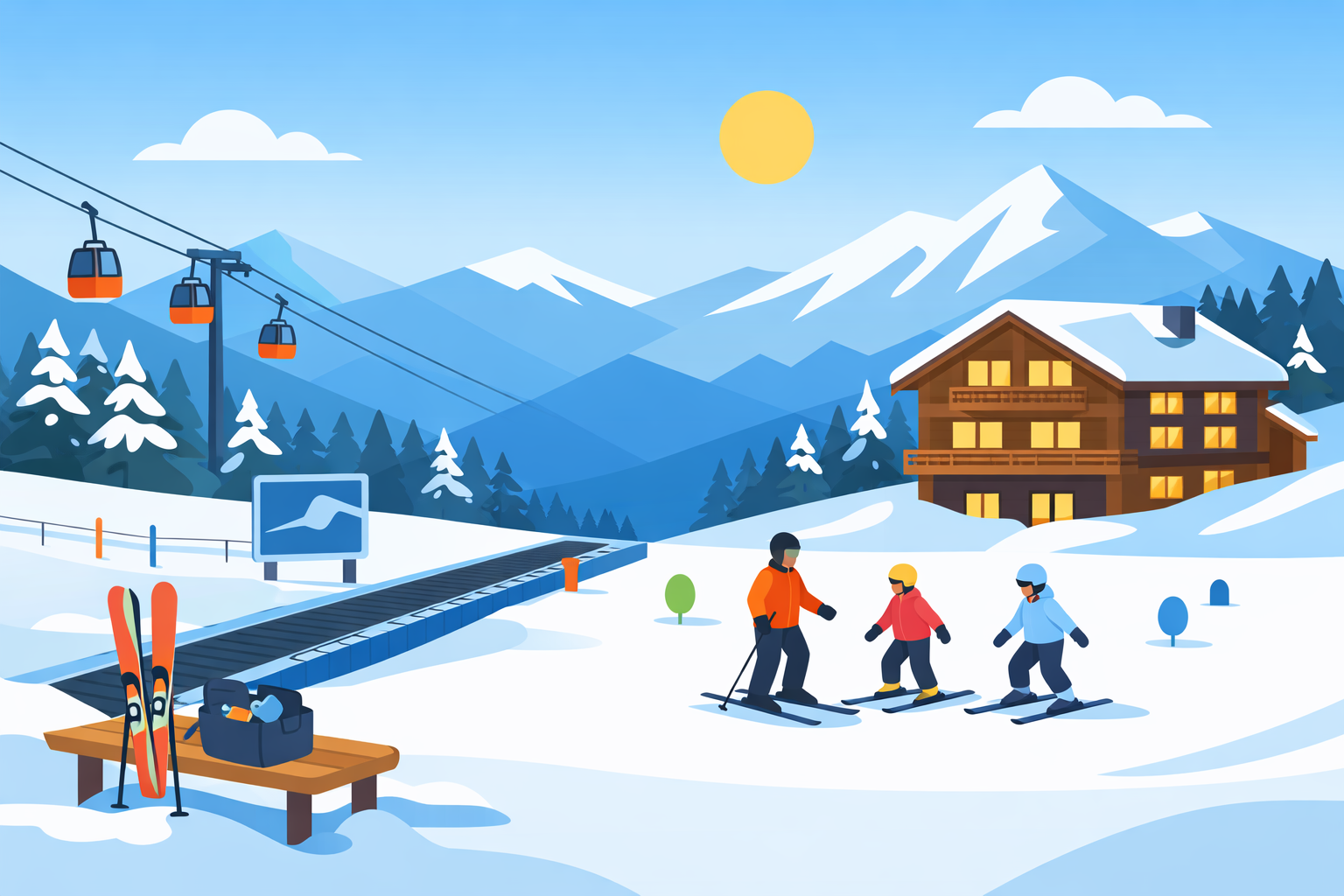
If you’re planning first time ski holidays Europe, it’s normal to feel a bit wobbly before you’ve even put boots on. Skiing looks effortless on Instagram. In real life, you’re thinking about budgets, lessons, what to wear, whether you’ll fall off a lift (you won’t), and how on earth you choose a resort when every website claims theirs is “perfect for beginners”.
Here’s the reassuring truth: you don’t need to know everything. You just need the right plan.
This guide is built for UK travellers booking their first ski trip. It covers the three things competitors often split across multiple pages: transparent costs, gear without overwhelm, and how to choose the right resort - plus a curated shortlist of beginner-friendly European resorts that actually make learning feel achievable.
And yes: you’ll still have fun, even if day one is mostly sliding and laughing at yourself.
Quick question before we dive in: do you want your first ski holiday to feel calm and confidence-building… or do you want a busier resort with more nightlife once the skis come off?
(You can have both. You just pick the balance on purpose.)
If you’re still in the early stages of planning your first ski trip, this guide walks you through lessons, destinations and what to expect before you book.
If you know someone planning their first ski trip, share this with them - it’ll save them time, money, and at least one avoidable “why did we book this resort?” moment.
Contents
- Costs: what you’ll really pay (and what people forget)
- Sample all-in budgets you can sanity-check
- Gear explained: rent vs buy, packing checklist, fit tips
- Piste grades (and why “blue” isn’t always the same everywhere)
- How to choose the right resort: a simple decision framework
- Best resorts in Europe for first-timers (curated shortlist)
- Hotel picks with beginner-friendly detail (plus how we can package it)
- Lessons strategy: how many, when, and how to learn faster
- What to expect in your first 48 hours (and why everyone feels clumsy)
- Beginner mistakes to avoid
- Booking protection: ATOL + Supplier Failure Insurance
- Why Jamie Wake Travel makes first ski trips simpler
- FAQs
First time ski holidays Europe: what does it actually cost?
Ski holidays have a reputation for being expensive because costs are spread across lots of small line items: flights, transfers, accommodation, lift pass, lessons, ski hire, food, insurance — plus “surprise” extras once you’re there.
The easiest way to understand the total is to think in two layers:
- Trip costs (travel + stay)
- On-snow costs (lift pass + lessons + ski hire)
Then add “living costs” (food, drinks, little extras).
Below is a UK-friendly breakdown for a typical 7-night trip.
Flights: UK departure reality (and why timing matters)
Flight costs swing wildly depending on:
- School holidays (especially February half-term)
- Route popularity (Geneva/Chambéry/Salzburg/Innsbruck fill up)
- Airport choice (London tends to have the most capacity)
Typical return flight ranges (per person):
- January (excluding New Year): £90–£180
- Mid-March: £90–£200
- February half-term: £250–£450+
- Christmas/New Year: £250–£600+
UK airport tip: If you can be flexible, you often save more by changing week than by hunting for the cheapest airline. A calm January week can cost hundreds less than a peak February week — and it’s usually quieter on the slopes too.
Transfers: the hidden “stress cost” for beginners
For first-timers, transfer time affects your whole week. Long transfers can turn travel day into a marathon — especially with early flights, kids, or anyone who gets travel-sick.
Return shared transfers often sit around:
- Under 1 hour: £40–£70
- 1.5–2.5 hours: £70–£120
- 3+ hours: £120–£200 (and you’ll feel it)
Rule of thumb: for a first ski trip, aim for under 2 hours where possible. It makes everything feel easier.
Accommodation: what you pay depends on the style of trip
You’ll normally see three common set-ups:
Self-catered apartments
Best for: flexibility, groups, keeping food spend down
Watch-outs: shopping trips, cooking when tired, unpredictable restaurant costs
Catered chalets
Best for: cosy atmosphere, food sorted, social vibe
Watch-outs: fixed meal times, location may be slightly further from lifts (varies)
Half-board hotels
Best for: first-timers who want fewer decisions
Watch-outs: check where the ski school meeting point is
Typical 7-night accommodation ranges (per person):
- Bulgaria/ultra-value areas: £400–£650
- Andorra/value resorts: £600–£900
- France/Austria/Italy mid-range: £900–£1,500
- Premium/snow-sure high altitude: £1,500–£2,300+
Lift pass (ski pass): pay for the terrain you’ll use
Beginner mistake: buying the biggest pass because it sounds like value.
Truth: on day one, you’ll probably use a beginner area pass (cheaper). Even by day three, you may still stick to the same handful of greens and blues.
Typical 6-day pass ranges:
- Bulgaria: £180–£250
- Andorra: £230–£300
- France: £280–£350
- Austria: £300–£400
If you’re unsure, ask us to match you to the right pass. Overbuying is common.
Lessons: your best “return on investment”
If you spend money on one thing, spend it here.
Group lessons (recommended for most beginners):
- 3 mornings: £120–£220
- 5 mornings: £180–£320
Private lessons:
- £60–£110 per hour (varies by resort and season)
Private lessons are brilliant for nervous beginners, couples learning together, or anyone who wants faster confidence.
Ski hire: rent first, decide later
For your first trip, rent:
- skis
- boots
- poles
- helmet
Typical weekly hire: £90–£180
(Pre-booking is usually cheaper and avoids sizing stress.)
Food, drinks and “daily life”
Even if you’ve paid for half-board, you’ll still spend on:
- mountain lunches
- coffees/hot chocolate stops
- snacks
- après-ski drinks
Realistic weekly budget: £200–£350 per person
More if you’re doing sit-down lunches every day.
Insurance: do not skip winter sports cover
You need winter sports cover for:
- medical treatment
- repatriation
- piste rescue
Budget £30–£60 per person.
Sample all-in budgets you can sanity-check
These are “real world” starter budgets so you can sense-check your own numbers. (They’ll vary with dates, accommodation style and booking lead time, but they’re far more useful than “it depends”.)
Scenario A: Value-first beginners (Bulgaria style)
- Flights: £120
- Transfers: £50
- Accommodation: £520
- Lift pass: £210
- Lessons: £200
- Ski hire: £110
- Food/extras: £260
- Insurance: £40
Total: ~£1,510 pp
Scenario B: Mid-range progress-friendly (French Alps style)
- Flights: £180
- Transfers: £95
- Half-board hotel: £1,150
- Lift pass: £320
- Lessons: £260
- Ski hire: £150
- Extras: £260
- Insurance: £40
Total: ~£2,455 pp
Scenario C: Premium, snow-sure, calmer vibe (high altitude Austria style)
- Flights: £220
- Transfers: £110
- Hotel: £1,650
- Lift pass: £380
- Lessons: £300
- Ski hire: £170
- Extras: £320
- Insurance: £50
Total: ~£3,200 pp
For travellers comparing costs across the season, our guide to the best winter destinations for budget travellers highlights affordable snowy and sun-filled options.
What people forget to budget for (the “why is my card crying?” list)
These small costs add up fast:
- lockers at the lift base
- resort tourist tax
- spa entry
- replacing wet gloves
- premium goggles hire/buy
- ski school registration fees (some resorts)
- a couple of taxi rides when you’re tired
Also: February half-term can inflate everything. If you can travel outside peak weeks, it’s often the single biggest saving.
Ski gear explained (without overwhelm)
For first-timers, the goal isn’t to look like a pro. The goal is to be warm, dry, comfortable, and able to move.
What you rent (keep it simple)
Rent these at resort:
- skis
- boots
- poles
- helmet
Why? Because the hire shop will fit you properly and swap kit if something feels wrong. Owning skis for trip one is almost always wasted money.
What you buy (the small “capsule kit” that makes a huge difference)
Buy:
- waterproof ski jacket
- ski trousers (waterproof, insulated)
- base layers (thermal top + leggings)
- gloves (proper waterproof ski gloves)
- goggles (or at least decent sunglasses + hire goggles)
- ski socks (thin, supportive)
A good beginner kit is about comfort, not brand names.
What not to waste money on (yet)
Avoid buying:
- skis/boots (until you know what you like)
- heavy expedition jackets (too hot)
- thick socks (they cause blisters in ski boots)
- gimmicky accessories you’ll never reuse
Beginner packing checklist
Clothing
- 2–3 base layer tops
- 2 base layer leggings
- 2–3 pairs of ski socks
- mid-layer (fleece or light down)
- waterproof jacket + trousers
- gloves + spare gloves if you run cold
- neck warmer/buff
- hat for off-slope
Essentials
- goggles or sunglasses
- SPF lip balm + sunscreen
- small rucksack
- reusable water bottle
- plasters/blister patches
For a complete beginner-friendly checklist, read our detailed guide on what to pack for your first ski holiday so you don’t overpack or miss essentials.
Boot fit: the confidence maker
Ski boots feel firm - that’s normal. But they shouldn’t be agony.
Quick fit rules:
- Toes lightly touch the front when standing upright.
- When you bend knees forward (ski stance), toes pull back slightly.
- Your heel should feel secure (less rubbing = fewer blisters).
- Wear thin ski socks only.
If something feels wrong, ask the hire shop to adjust. You’re not being fussy. You’re being smart.
Piste grades: the “don’t panic” beginner guide
Lots of sites mention this, but it’s rarely explained clearly.
The colours tell you difficulty - but the feel can vary with:
- grooming quality
- width of runs
- how icy it gets
- how busy the slopes are
- local grading style
Here’s a beginner-friendly overview:
Piste grading basics (Europe)
| Colour | What it usually means | Beginner note |
|---|---|---|
| Green | Very easy | Ideal for first turns and confidence |
| Blue | Easy/medium | Your “progression zone” after nursery slopes |
| Red | Medium/harder | Not for day one; often fine later in week |
| Black | Hard | Ignore for your first trip |
Country vibe notes (helpful, not scary)
- France: blues can be long and busy; great progression, but choose calm resorts.
- Austria: often well-groomed, village-based, and confidence-friendly.
- Italy: frequently wide, cruisy pistes; great for relaxed learning and scenery.
- Bulgaria: strong value; terrain can be great for beginners, resort style varies.
- Andorra: solid ski schools and good value; a strong “first trip” sweet spot.
First time ski holidays Europe: how to choose the right resort (decision framework)
This is the section that makes or breaks your trip.
A “beginner-friendly resort” isn’t about being small or boring. It’s about being designed for learning.
Step 1: Choose your beginner type
Pick the closest match:
- Nervous beginner: wants calm slopes, gentle progression, minimal stress
- Sporty beginner: wants faster progression, longer runs, maybe a little challenge
- Family beginners: wants easy logistics, ski school structure, simple mornings
- Mixed group: wants skiing + après-ski + non-ski options for flexibility
Step 2: Score resorts using these criteria
Use this as your checklist:
Nursery slopes & learning zones
Look for:
- dedicated beginner areas
- magic carpets (less scary than drag lifts)
- easy access from town
Long blue progression runs
The dream is: nursery slope → green → forgiving blue.
Ski school quality
Big, well-reviewed ski schools with English-speaking instructors are a massive confidence boost.
Transfer time
Under 2 hours feels easier for first-timers. Over 3 hours can feel like a slog.
Resort layout and overwhelm level
Compact resort centres help. If everything is spread out, first-timers can feel lost.
Snow reliability
Higher altitude + good grooming helps, especially in early/late season.
Non-ski activities
Spa, pools, winter walks, sledging - because not everyone skis all day, every day.
Step 3: Match “If you are X, choose Y”
- Nervous adult → calmer Austrian village resorts
- Sporty beginner → bigger French areas (but stay near easy blues)
- Families → resorts with strong ski schools + simple meeting points
- Mixed groups → a resort with après-ski and beginner terrain
If you’d prefer a snowy escape without full-day skiing, our Lapland winter wonderland holidays offer Arctic scenery, husky safaris and magical winter experiences.
Now, here’s the curated shortlist.
Best resorts in Europe for first-time skiers (curated shortlist)
This is not a mega list. These are five options with clear “why” behind them.
Best for budget-first beginners: Bansko, Bulgaria

Why it works for beginners
Bansko is a strong value option where first-timers can try skiing without spending premium Alpine prices. You’ll typically find affordable ski hire, accessible ski school options, and a good mix of gentle areas for learning.
Terrain overview
Beginner zones and forgiving runs make it easier to repeat the same slope (which is how you improve). The key is choosing the right lesson meeting point and not over-scoping the ski area on day one.
Airport + transfer time
- Sofia: typically around 2 hours (varies by traffic/weather)
Budget range
Value week often lands in the “affordable all-in” bracket compared with Western Europe.
Ideal for
Adults and groups who want to learn without a premium price tag — and who like a lively town atmosphere in the evenings.
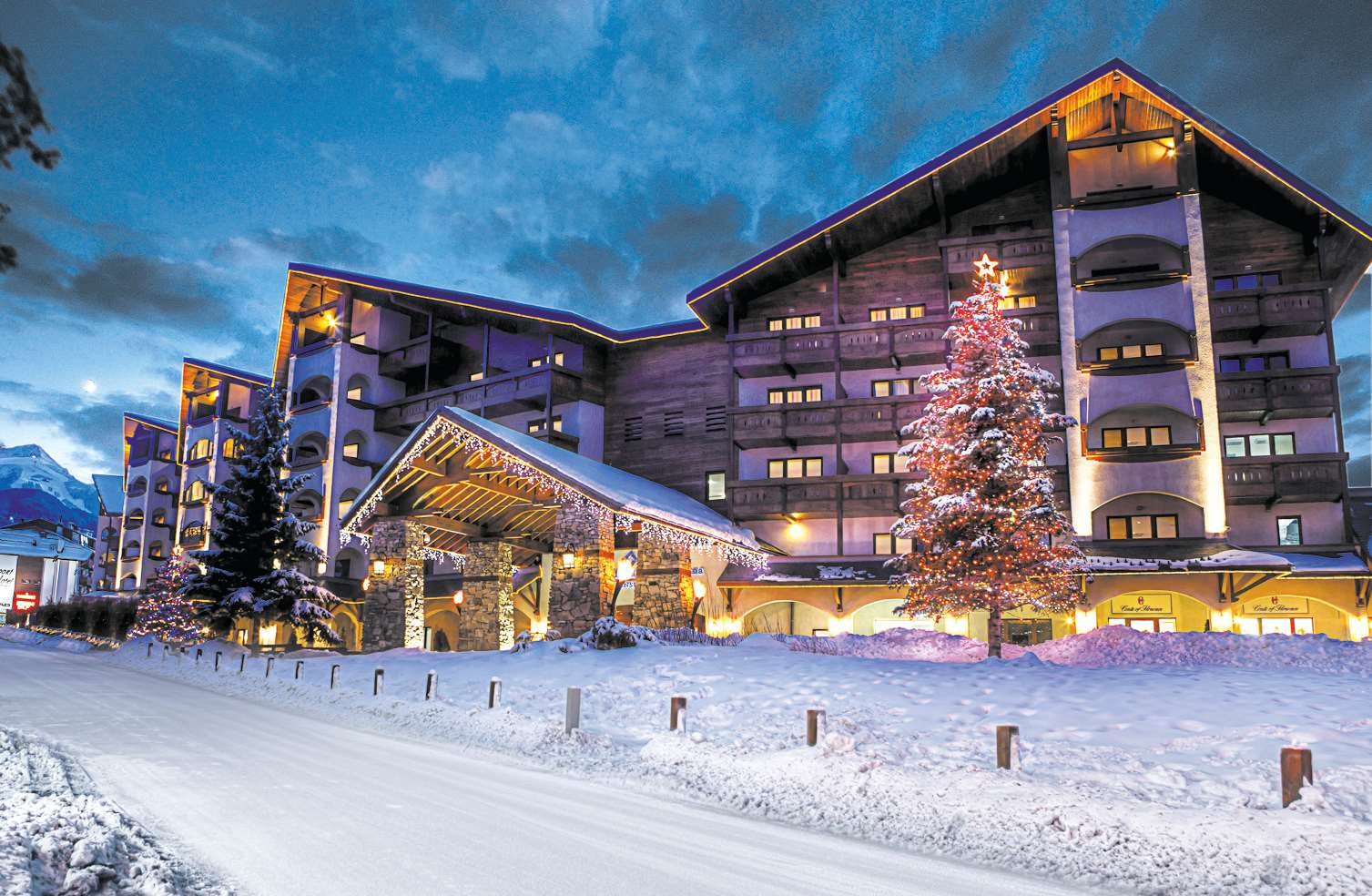
Hotel pick: Kempinski Hotel Grand Arena Bansko
If you want your first ski holiday to feel easy, this is the kind of base that removes friction. The Kempinski is known for its high-end comfort, polished service, and a spa set-up that becomes your best friend once your legs discover muscles you didn’t know existed. The big win for beginners is the “reset button”: after lessons, you can properly recover — warm pool, sauna, and a calm evening meal — instead of feeling like you’re surviving the week. Rooms tend to feel premium and quiet, which is ideal if you’re learning (sleep matters). It’s also the kind of hotel where you can treat skiing as one part of a broader winter break: ski in the morning, relax in the afternoon, still feel like you’ve had a holiday even if you don’t ski every hour.
Explore more: If Bansko feels like your style, we can package flights, transfers, ski hire and lessons so your first trip is straightforward from the start - browse beginner-friendly Bulgaria options with Jamie Wake Travel.
Best for families: La Rosière, France
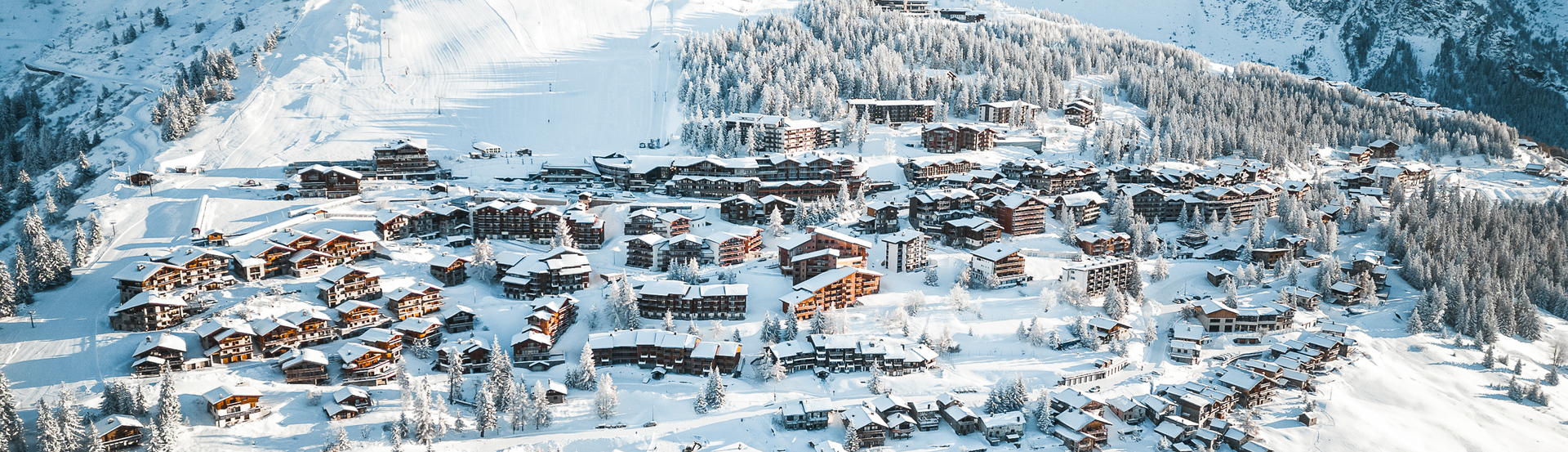
Why it works for beginners
La Rosière has a sunny feel and a family-friendly atmosphere that suits first-timers. It’s the kind of place where learning doesn’t feel rushed, and ski school logistics can be simpler than in huge, sprawling mega-resorts.
Terrain overview
Look for gentle nursery slopes and forgiving blues that help children (and adults!) practise without panic. It’s built for confidence, not bravado.
Airport + transfer time
- Geneva: typically 2.5–3 hours (depending on conditions)
Budget range
Mid-range France. Not the cheapest, but often good value when you factor in quality ski school and progression terrain.
Ideal for
Families who want a “we can actually do this” resort, with non-ski options for downtime.
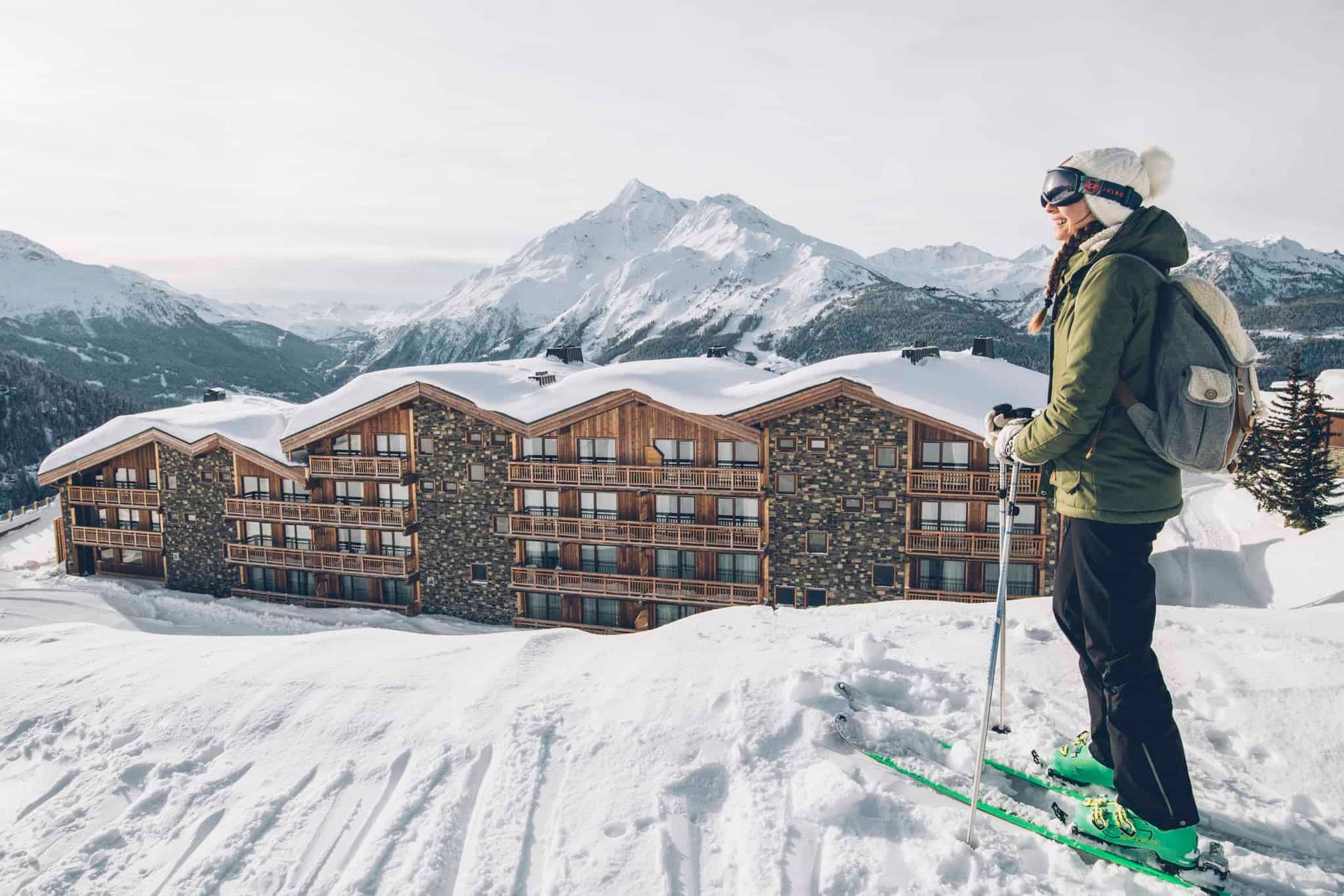
Hotel pick: Hôtel Alparena
Hôtel Alparena is a strong choice for first-timers because it leans into comfort and simplicity - the two things families appreciate most on ski week. Expect a modern alpine style, good space for getting kit on and off without feeling like you’re playing Tetris with gloves and goggles, and a wellness area that becomes part of the holiday rather than a “nice extra”. For beginners, the big advantage is how the hotel supports routine: breakfast without fuss, easy access to getting on the mountain, and a calm place to return to once lessons are done. If you’re travelling with children, that predictability makes mornings smoother. And if you’re an adult beginner, it’s the kind of hotel that makes you feel looked after — which matters when you’re learning something new in cold weather.
Explore more: If La Rosière is on your shortlist, we can recommend family-friendly room types and package options close to ski school meeting points - explore more beginner-friendly French Alps offers with Jamie Wake Travel.
Best for short transfers: Avoriaz, France
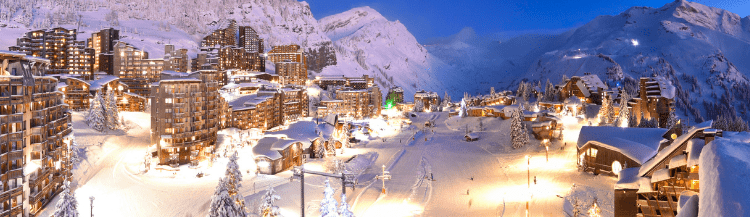
Why it works for beginners
Avoriaz is popular for UK travellers because it can be paired with a shorter transfer from Geneva compared with many French Alps resorts. It’s also car-free, which makes it feel safer and simpler when you’re lugging gear around.
Terrain overview
The best beginner experience comes from staying close to the easier slopes and ski school zone so you’re not trekking across resort in boots.
Airport + transfer time
- Geneva: often around 1.5 hours (conditions dependent)
Budget range
Mid to upper-mid range, depending on accommodation style.
Ideal for
First-timers who want to reduce travel day fatigue and keep the week feeling easy.
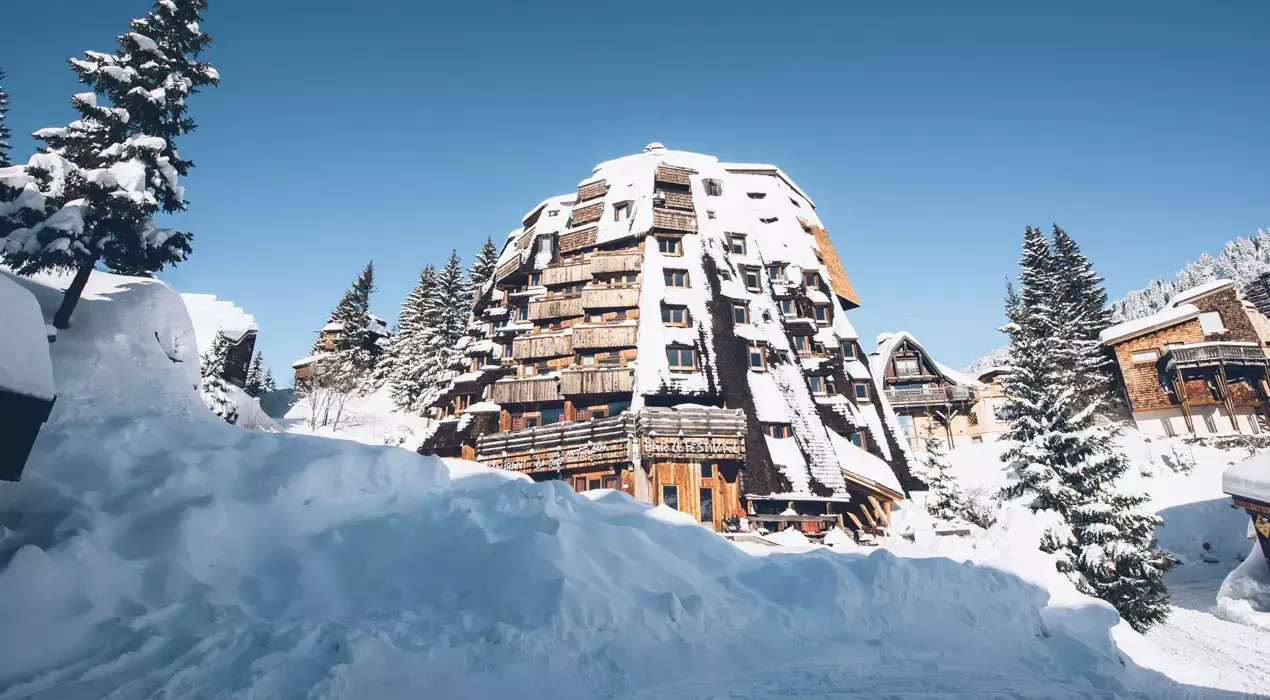
Hotel pick: Hôtel des Dromonts
Hôtel des Dromonts is one of those places that makes your ski holiday feel like a proper “event”, which is perfect if you’re leaning slightly premium for your first trip. Its style is distinctive and it sits in a position that can make slope access feel far less complicated - a big win when you’re still getting used to boots, carrying kit, and finding your confidence. For beginners, location is everything: you don’t want your first morning to start with a long walk across resort. Inside, the atmosphere is warm and comforting, which helps you relax after lessons. If you’re travelling as a couple or friends, it’s a great base for that “ski by day, enjoy the hotel vibe by night” balance - without needing heavy nightlife to feel entertained.
Explore more: If Avoriaz feels like the right fit, we can look at slope-side and near-ski-school options to simplify your mornings — explore more French Alps beginner deals with Jamie Wake Travel.
Best snow-sure feel: Obergurgl, Austria
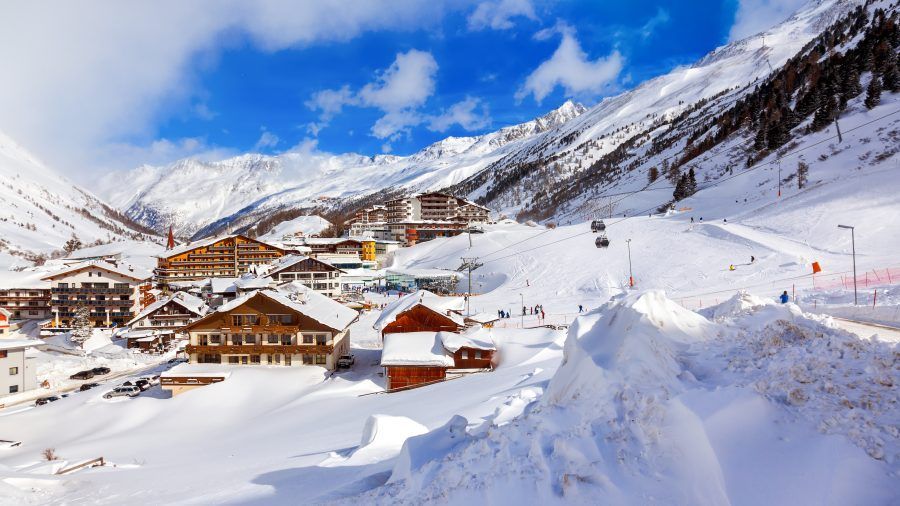
Why it works for beginners
Obergurgl is known for its altitude and calm, polished vibe. For first-timers, that often translates to better snow reliability and a more relaxed learning environment.
Terrain overview
Look for progression terrain and well-groomed runs that make practising feel safer and smoother. Beginners improve faster on well-prepared slopes.
Airport + transfer time
- Innsbruck: often around 1.5 hours (varies)
Budget range
Premium Austria. Worth it if snow reliability and calm atmosphere are priorities.
Ideal for
Nervous adults, couples, and anyone who wants a quieter, confidence-building first experience.
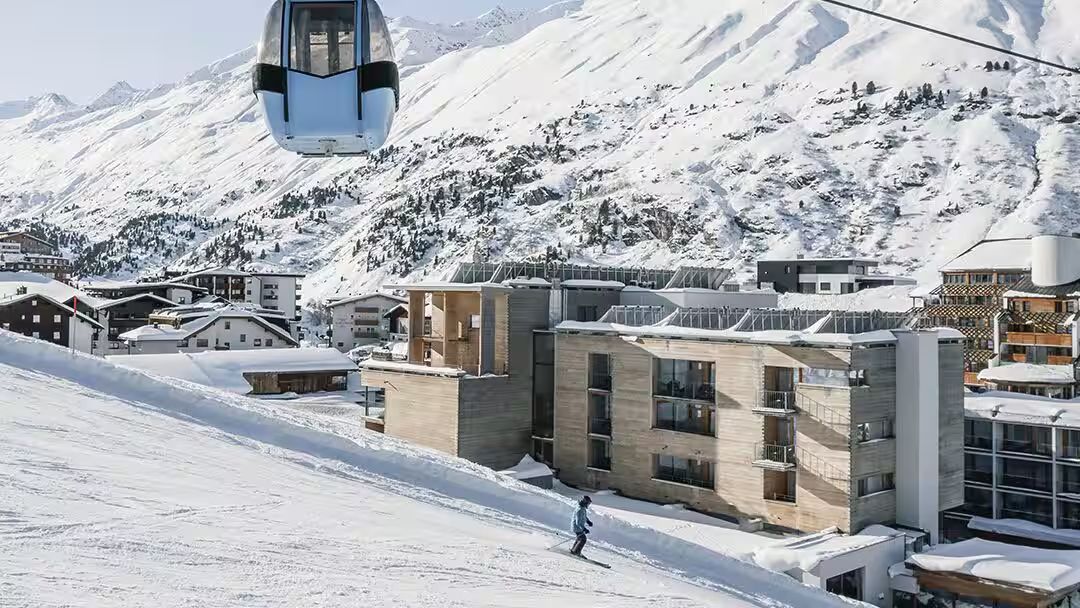
Hotel pick: The Crystal VAYA Unique
The Crystal VAYA Unique is a modern, design-forward option that works brilliantly for a slightly premium first ski holiday. Why? Because it turns the whole week into a comfortable routine: warm breakfast, short distance to lifts/ski school logistics, then a stylish, relaxing base to return to. For beginners, the quality of your “off-slope hours” matters more than you expect. If you’re tired or sore, a good hotel keeps morale high - and morale is what gets you back out the next morning. Expect contemporary rooms, a wellness focus, and an atmosphere that suits couples and friends who want calm evenings rather than party chaos. If your goal is to learn while still feeling like you’re on a proper holiday, it’s a very strong match.
Explore more: If Obergurgl is calling your name, we can package flights, transfers, lift pass and lessons with beginner-friendly timings — explore more Austrian beginner ski offers with Jamie Wake Travel.
Best charming village feel: Alpbach, Austria
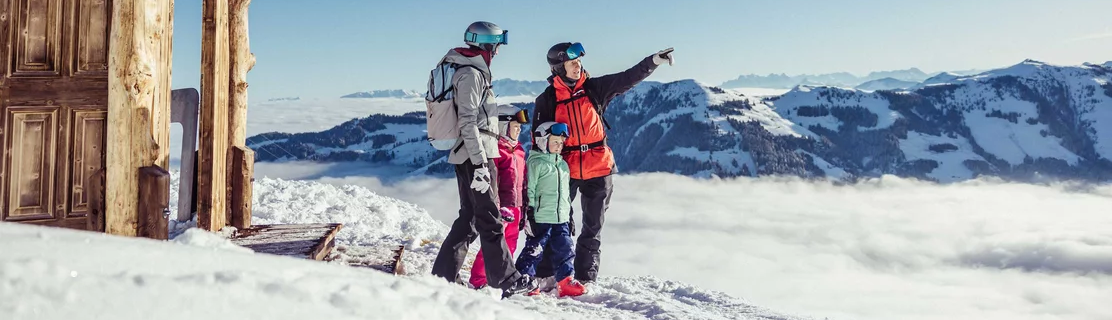
Why it works for beginners
Alpbach is the kind of place that wins hearts. It’s pretty, traditional, and often feels less overwhelming than huge resorts. That’s ideal for first-timers who want to learn in a calm environment and enjoy the village atmosphere.
Terrain overview
Beginner progression works best when your resort feels manageable. You want easy access to nursery slopes and gentle blues, plus a ski school that makes you feel safe.
Airport + transfer time
- Innsbruck: often around 1 hour (conditions dependent)
Budget range
Mid to upper-mid, depending on accommodation.
Ideal for
Nervous beginners, couples, and anyone who wants a classic Alpine vibe.
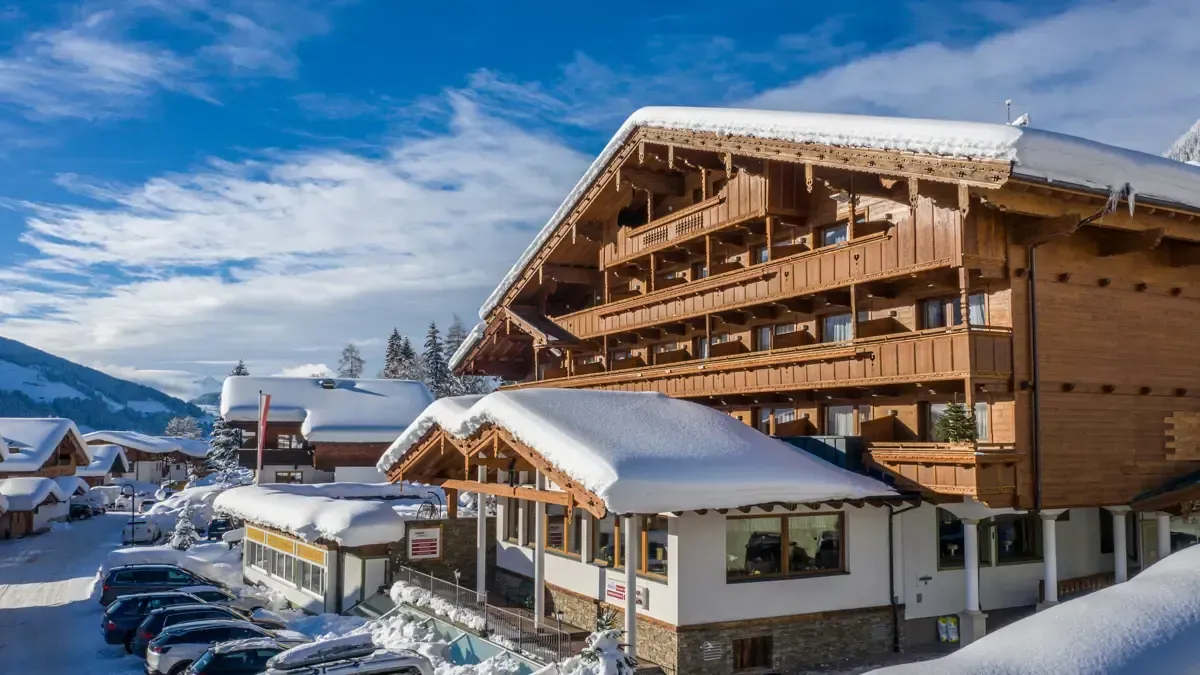
Hotel pick: Hotel Alphof
Hotel Alphof offers that warm, welcoming Austrian hospitality that can make first-timers feel instantly at ease. For beginners, confidence doesn’t come only from the slopes - it comes from feeling comfortable, looked after, and not rushed. Alphof’s appeal is the combination of cosy atmosphere, strong food (a big morale booster), and the kind of traditional charm people imagine when they think “Austrian ski village”. It’s a great choice if you want your first ski holiday to be a rounded winter break: ski lessons in the morning, relaxed afternoons, and evenings that feel special without needing a big party scene. If you’re the type of traveller who loves a premium-but-not-flashy feel, this fits beautifully.
Explore more: If Alpbach suits your style, we can recommend similar village resorts and beginner-friendly hotels with great ski school access — explore more Austrian offers with Jamie Wake Travel.
You can also explore our guide to the best ski holidays for beginners for a deeper look at gentle resorts and progression-friendly slopes.
Lessons strategy for beginners (how to learn faster without burning out)
Most first-timers either:
- book too few lessons and struggle, or
- book lessons but don’t know how to use the rest of the day
Here’s what works.
How many lessons should you book?
For a 7-night trip:
- Best baseline: 5 morning group lessons
- Nervous beginner: 5 mornings + 1–2 private top-up hours
- Sporty beginner: 3–5 mornings + guided practice afternoons
Group vs private lessons
Group lessons are brilliant for:
- social motivation
- structured progression
- better value
Private lessons are brilliant for:
- nervous beginners who want reassurance
- couples who want to learn together at the same pace
- anyone who wants fast feedback and fewer “waiting around” moments
Morning vs afternoon lessons
Morning lessons usually win because:
- snow is fresher
- you have more energy
- slopes can be quieter early
How to use afternoons wisely (this is the secret)
Afternoons aren’t for “doing loads more”. They’re for repeating what you learned:
- do 2–3 runs on the same gentle slope
- stop before you’re exhausted
- finish with a treat (hot chocolate counts)
Consistency beats intensity.
What to expect in your first 48 hours (so you don’t panic)
Everyone starts as a beginner. Everyone.
Day 1: awkward, normal, and more fun than you expect
You’ll learn:
- how to clip in
- how to slide
- how to stop (pizza wedge)
- how to turn a little
You may fall. Falling is part of the process.
Day 2: the “I’m actually doing it” day
This is often when:
- you stop overthinking
- turns start to click
- you do your first green run end-to-end
Physical soreness is normal
Your thighs will complain. Stretch, hydrate, sleep well.
Ski etiquette basics (beginner-safe)
- Look uphill before setting off
- Stop at the side, not in the middle of a run
- Slower skier has priority downhill
- If you fall, move to the side when safe
Beginner mistakes to avoid (save money and stress)
These are the biggest ones we see from first-time clients:
- Choosing a resort that’s too big and overwhelming
- Skipping lessons to “save money” (it costs more in the long run)
- Buying too much gear before you know what you like
- Ignoring transfer times
- Trying to ski all day on day one
- Wearing cotton base layers (they hold sweat and make you cold)
- Not pre-booking ski hire and lessons (peak weeks sell out)
If you do one thing right, do this: choose a resort that makes learning easy.
Jamie Says:
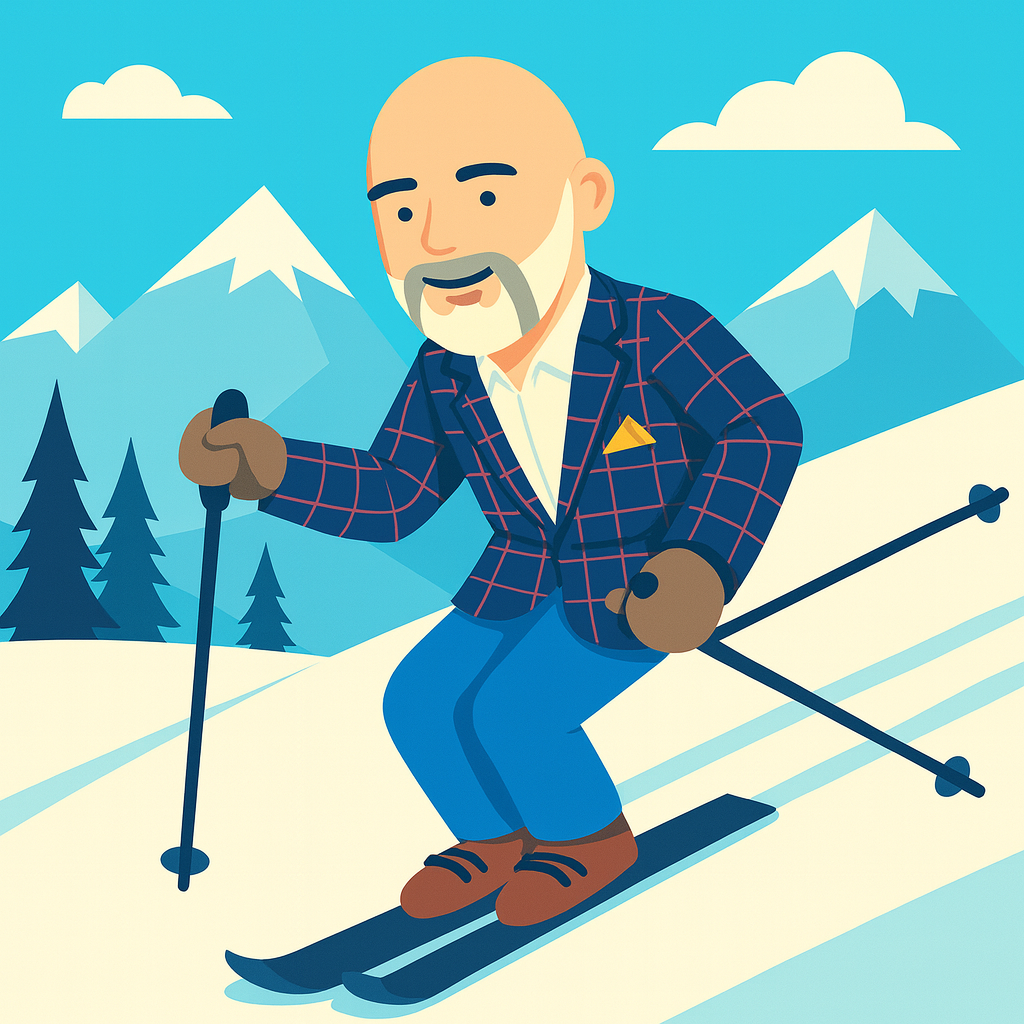
“The best first ski trips aren’t about tackling big runs. They’re about building confidence, staying warm, and choosing a resort that makes learning feel easy. Get those right, and you’ll love it.”
Booking protections: why they matter for ski holidays
Ski trips often involve multiple suppliers (airlines, transfers, accommodation, lift passes). That’s why booking protection matters.
Jamie Wake Travel is a UK-based independent travel agency. Your holiday planning includes:
- ATOL protection (where applicable)
- Supplier Failure Insurance
- Support from a real team (not a call centre script)
If something changes, you’re not dealing with it alone.
Why Jamie Wake Travel is the best choice for first-time skiers
For beginners, the right advice saves money - and it saves confidence.
We help you:
- match your beginner type to the right resort
- avoid resorts that look “great” but don’t suit learning
- pre-arrange ski hire and lessons so you’re not scrambling on arrival
- choose hotels that make mornings easy (close to lifts or ski school zones)
- build a trip that feels premium where it matters: comfort, simplicity, support
Call 01495 400005 or use our enquiry form.
And if you like to browse first, our website search tool helps you create bespoke holidays as unique as you are.
Send an Enquiry
We will get back to you as soon as possible.
Please try again later.
Frequently Asked Questions: First Time Ski Holidays in Europe
Where is best for first time ski holidays Europe?
For most UK beginners, the best places for first time ski holidays Europe are resorts with strong ski schools, calm nursery slopes, and long forgiving blue runs. Think along the lines of friendly Austrian villages for nervous beginners, selected French resorts with excellent progression terrain, and value resorts like Bansko if budget is the top priority. The “best” option depends on whether you want calm, quick transfers, family-friendly logistics, or a slightly more premium hotel base.
How long should a beginner ski holiday be?
Seven nights is ideal for most first-timers. It gives you time to settle in, take 3–5 days of lessons, practise without pressure, and still enjoy a rest afternoon or two. Short breaks can work, but beginners often spend day one just finding their feet — which means a longer trip usually offers better value and a more enjoyable learning curve.
Is skiing in Europe expensive?
It can be, but it’s not automatically “luxury only”. A realistic first trip ranges from value options around the low thousands per person (especially in budget destinations) to premium, snow-sure resorts that cost more due to altitude and hotel style. The key is understanding your all-in budget: flights, transfers, accommodation, lift pass, lessons, ski hire, food, and insurance. Once those are clear, the cost becomes manageable rather than mysterious.
How many lessons do I need as a beginner?
Most beginners do best with five morning group lessons on a week-long trip, plus gentle practice in the afternoons. If you’re nervous, adding a private lesson can help massively because you’ll get personalised feedback and reassurance. If you’re sporty, three mornings might be enough — but only if you’re disciplined about practising the right terrain afterwards.
Is Andorra good for beginners?
Yes, Andorra can be excellent for beginners because it often balances value, ski school quality, and manageable resort layouts. It’s a popular choice for UK travellers who want a straightforward first ski trip without the highest Alpine prices. The best approach is choosing a resort area known for beginner terrain and booking lessons early, especially in peak weeks.
Is France or Austria better for first-timers?
Both can be brilliant — it depends on your personality. France often offers larger linked ski areas and lots of progression terrain, but some resorts feel busier. Austria often delivers charming villages, strong ski school culture, and a calmer vibe that nervous beginners love. If you want slightly premium comfort with a relaxed atmosphere, Austria is often a favourite for first time ski holidays Europe.
Do I need ski-in ski-out accommodation as a beginner?
It’s not essential, but it can make life easier. Being close to the ski school meeting point and beginner zone reduces stress in the mornings — especially when you’re learning to walk in boots and carrying kit. If ski-in ski-out pushes your budget too far, aim instead for “near lifts” or easy access by short shuttle.
What month is cheapest for first time ski holidays Europe?
January (excluding New Year) and mid-to-late March often offer the best value. Prices are typically lower than February half-term and Christmas, and resorts can feel calmer too. Snow conditions vary by resort and altitude, so if you’re travelling early or late season, choosing a snow-sure area matters more than the calendar month.
Can adults learn to ski on their first holiday?
Absolutely. Many adult beginners learn successfully every season — often faster than they expect. The key is booking lessons, choosing gentle terrain, and pacing yourself. Adults sometimes overthink it, so a calm resort and supportive ski instructor make a huge difference. If you’re worried, a private lesson on day one can turn anxiety into confidence very quickly.
What if I don’t ski every day?
That’s completely normal. Many people take a rest afternoon (or even a full rest day) to recover and enjoy the resort. Non-ski activities like spa time, winter walks, mountain restaurants, and village exploring are part of what makes a ski holiday feel special — especially on a first trip when your muscles are adapting.