How to Travel Sustainably in 2026
Sustainable Travel in 2026: the UK traveller’s practical, no-guilt guide
Sustainable Travel in 2026 doesn’t mean giving up the trips you love. It means making a handful of smarter choices—before you book, while you pack, and once you arrive—so your holiday supports local people, protects nature, and keeps your footprint as low as it can be.
If this guide helps, share it with the one friend who always packs three “just in case” outfits. 😉
Sustainable Travel in 2026: what’s actually changed (and why it matters)
A lot of “travel sustainably” advice is timeless. But 2026 has a few real-world shifts worth knowing about -especially for UK travellers heading into Europe.
This shift reflects how sustainable travel is changing the industry, influencing everything from transport innovation to the design of modern hotels.
New EU border systems can change how you travel (and how long queues take)
The EU’s Entry/Exit System (EES) started rolling out from 12 October 2025 and is being introduced in phases, with full operation expected by April 2026. It replaces manual passport stamping for short-stay visitors and uses biometric checks (photo/fingerprints). This matters for Sustainable Travel because longer border processing can make rail/coach/ferry journeys feel different—so build in time rather than defaulting to a short flight to “save hassle”.
ETIAS is still coming (late 2026), so plan for another pre-travel step
ETIAS is now expected to start operations in the last quarter of 2026 (EU information site), and UK travel bodies are advising travellers to expect it towards the end of 2026, with details confirmed closer to launch.
Treat it like ESTA-style admin: simple, but another reason to plan ahead and avoid last-minute, high-impact “panic flights”.
Overtourism controls are getting more specific (Venice is the headline example)
Venice has confirmed its day-tripper access fee returning in 2026 across specific spring/summer dates, with pre-booking and variable pricing depending on timing. You don’t have to boycott famous places—but Sustainable Travel in 2026 means visiting them more thoughtfully: stay overnight, travel off-peak, and spend money in local businesses rather than just “doing the photo”.
What Sustainable Travel is (and what it isn’t)
Sustainable Travel is travel that aims to reduce environmental harm, respect communities and cultures, and share tourism benefits fairly.
It isn’t:
- Perfection
- A “no flying ever” rule
- Buying one bamboo item and calling it done
It is:
- Fewer, better journeys
- Choosing transport that makes sense for the distance (often rail/coach over flights)
- Picking accommodation with credible, verifiable standards
- Spending locally and behaving in ways that protect places you’re enjoying
A simple Sustainable Travel hierarchy you can actually use for holidays
UK energy and carbon organisations often talk about a “hierarchy” for sustainable travel—avoid, shift, improve. Here’s the holiday version, in plain English.
Step 1: Can you reduce the number of journeys?
- Swap two weekend breaks for one longer trip
- Choose one base and day-trip by train/bus
- Try “stay longer, move less” for long-haul trips
Step 2: Can you shift your transport mode?
- UK → Europe: rail can be dramatically lower-carbon than flying on many routes (and it’s often more relaxing).
- Within the UK: rail is cited as up to 13 times greener than flying in Britain (figures vary by method, but the direction is clear).
Step 3: If you must fly, can you reduce the impact?
- Fly direct
- Pack lighter
- Fly economy (more seats share the emissions)
- Consider airlines/operators that publish credible reporting (more on greenwashing below)
Transport: the biggest lever you control
Rail-first thinking for UK travellers in 2026
A workable mindset:
- London + South East: rail-to-Europe is often straightforward
- Midlands/North/Wales: plan a comfortable connection day rather than forcing a same-day dash
- Treat the travel day as part of the holiday: book a seat, pack snacks, bring a book, arrive in the centre of the city
Also worth knowing: cost comparisons can be frustrating. Campaign groups have highlighted how flights can be far cheaper than trains, despite higher emissions - so you may need to “shop smarter” (advance tickets, split tickets, off-peak) to make the greener choice feel fair.
Coach and ferry: underrated for Sustainable Travel
- Coaches can be excellent for short-haul Europe when you’re flexible
- Ferries can be a great choice when you want to avoid flying and enjoy the journey (and they can connect well with rail)
If you’re hiring a car
Sometimes it’s the right tool—especially for rural stays.
- Choose the smallest suitable vehicle
- Combine drives (don’t do multiple long out-and-back days)
- Pick accommodation with clear policies on waste, energy, and community support so the “car part” isn’t the only story
Flying in Sustainable Travel: a balanced 2026 approach
If you’re going long-haul—family visits, once-in-a-decade wildlife trips, honeymoons - flying might be part of it.
Make it “better”, not perfect:
- One long trip rather than multiple short flights
- Direct routes where possible
- Longer stays to spread the impact over more days
- Choose experiences that actively support conservation and local livelihoods
Aviation policy is changing, but the simplest traveller rule still holds: reduce flights where you reasonably can and improve the ones you can’t. (The EU continues to push aviation decarbonisation measures as part of its climate action work.)
About carbon offsets in 2026
Offsets can fund real projects, but they’re not a substitute for cutting emissions. If you use them, treat them as “after you’ve reduced what you can,” and look for robust standards (for example, programmes recognised by credible climate and sustainability bodies—many public guidance hubs link out to these).
Where you stay: how to choose hotels that are genuinely better
Sustainable Travel succeeds or fails on one thing: proof.
If you want a deeper look at how to choose genuinely responsible stays, our guide to sustainable accommodation options breaks down what really matters.
Here’s the practical way to choose accommodation without getting lost in marketing.
What to look for (quick checklist)
- A recognised third-party certification (examples you’ll see often: Green Key, Nordic Swan, B Corp for company-wide practices)
- Specific actions with numbers (energy use, water reduction, waste diversion)
- Clear local impact (local hiring, local sourcing, partnerships)
- Transparent policies (laundry, cleaning chemicals, plastic reduction)
Questions to ask (if you’re booking direct or via an agent)
- “Which certification do you hold, and when was it last renewed?”
- “Do you publish any sustainability reporting or targets?”
- “How do you support local suppliers and staff development?”
- “What have you changed in the last 12 months?”
Red flags (greenwashing tells)
- “Eco-friendly” everywhere, but no standards named
- A self-made leaf logo
- Big claims with no details (“carbon neutral” with no explanation)
- You can’t find sustainability info beyond a vague paragraph
The growing demand for eco-friendly hotels and resorts shows that sustainability is no longer niche—it’s shaping the future of travel.
Five destination ideas that make Sustainable Travel easier (with hotel picks)
Below are five destinations that pair well with Sustainable Travel in 2026 - because they’re walkable, rail-friendly, or built around nature and conservation.
Amsterdam: easy to do car-free, easy to do well
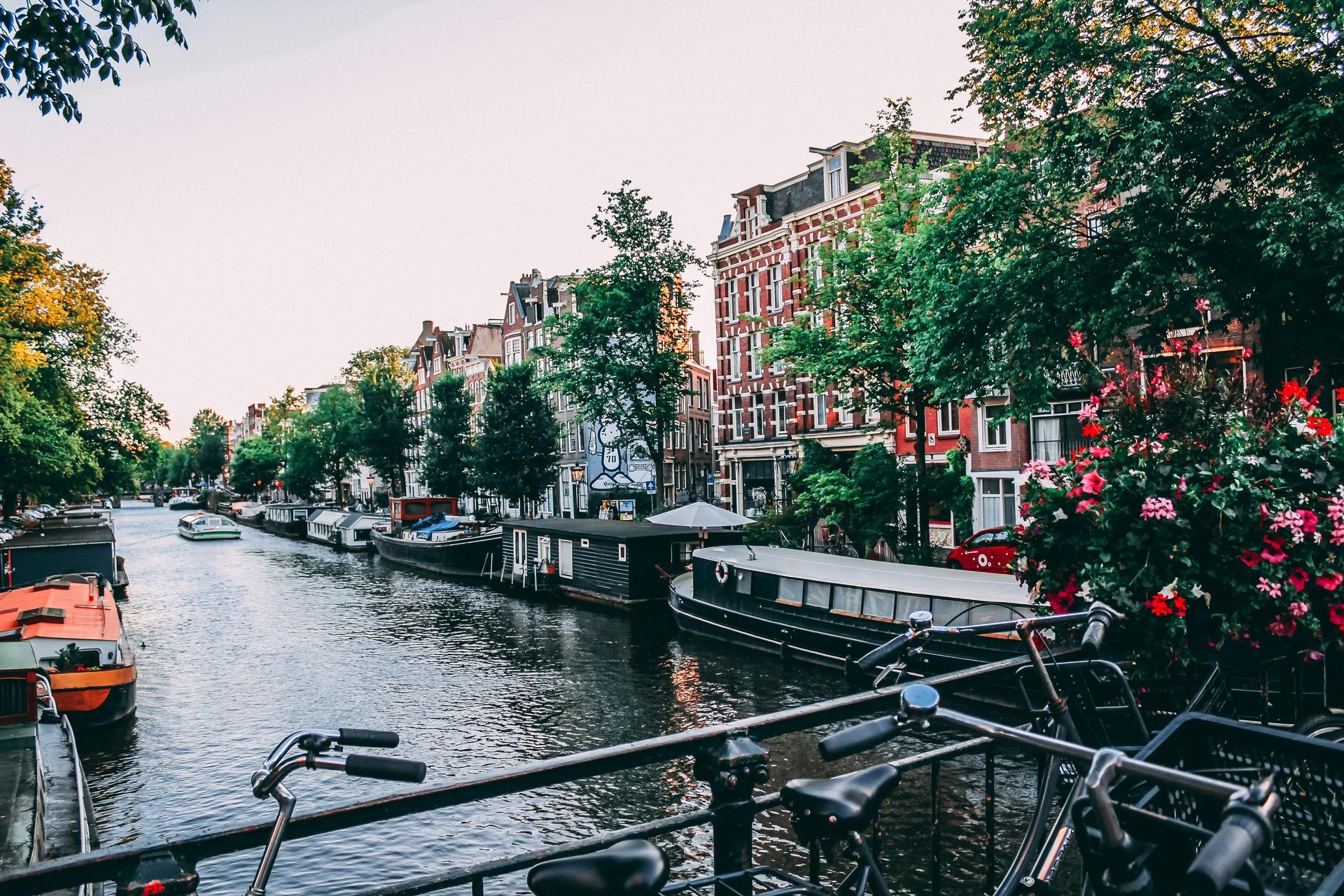
Amsterdam is brilliant for a low-impact city break: you can walk, cycle, and use public transport without feeling restricted.

Hotel pick: Zoku Amsterdam (B Corp-certified)
Zoku has positioned itself around responsible hospitality, and the company states that all four Zoku properties are B Corp certified (including Amsterdam). B Corp certification isn’t a “hotel eco label” on its own, but it is a strong signal of company-wide standards and accountability across environmental and social performance.
Why it works for Sustainable Travel
- Great for longer stays (the easiest way to make a trip more sustainable)
- Well-suited to working travellers who can combine work + travel and reduce extra flights
Make Amsterdam even better
- Choose museums and neighbourhoods beyond the busiest canals
- Pre-book time slots where possible to reduce crowd pressure
If Amsterdam is calling your name, Jamie Wake Travel can help you build a rail-friendly itinerary with the right hotel and the right pace—so you see more, without racing around.
Copenhagen: the “default sustainable” city break
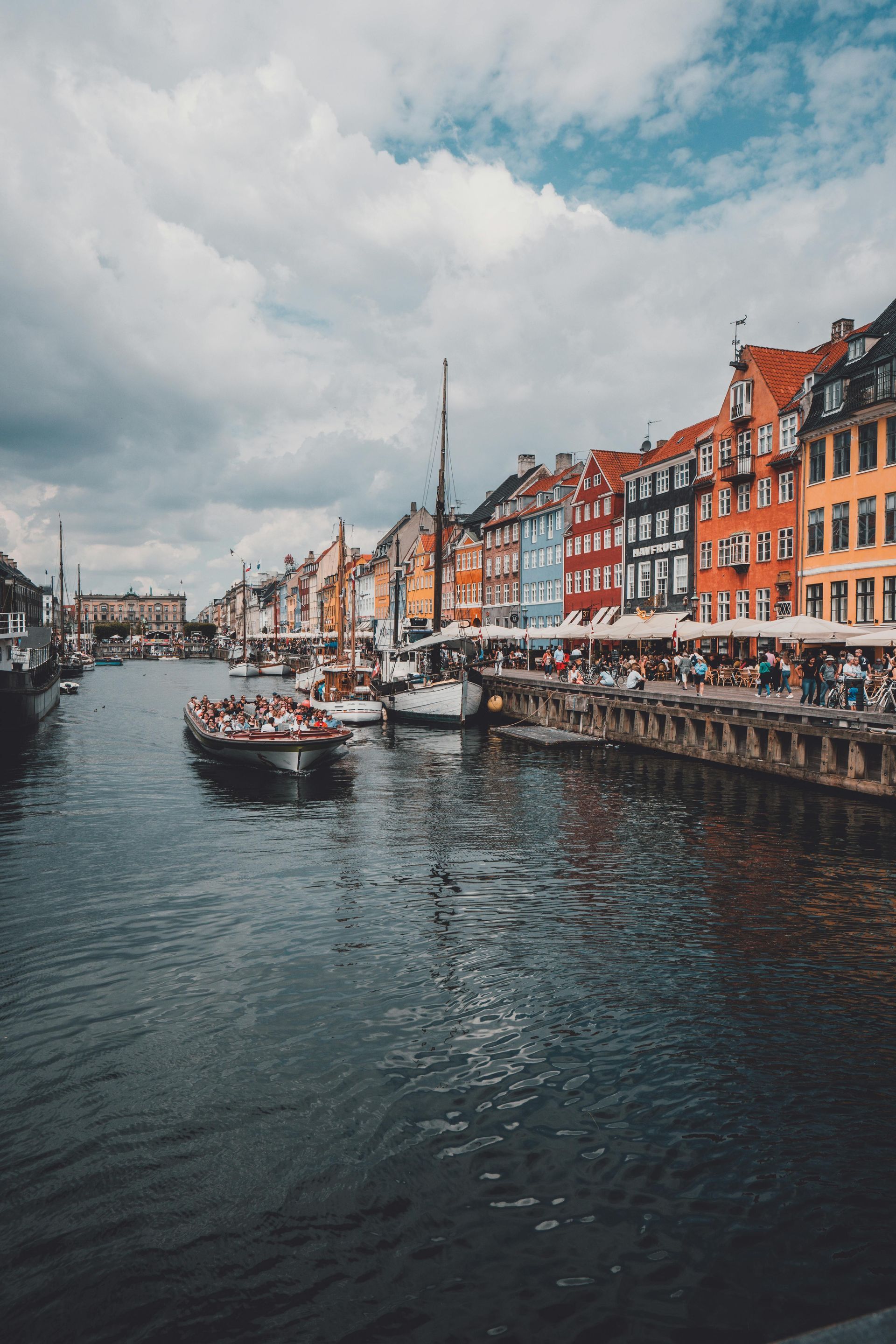
Copenhagen makes greener choices feel normal: cycling infrastructure, public transport, and a culture that expects businesses to do the basics well.

Hotel pick: Scandic (Copenhagen locations) (Nordic Swan ecolabel – chain-wide approach)
Scandic highlights that a large share of its hotels are certified with the Nordic Swan Ecolabel, with detailed criteria covering energy, water, food, and purchasing. If you like consistency and want an eco label that’s well-known in the Nordics, it’s a solid starting point.
Why it works for Sustainable Travel
- Nordic Swan is a recognised eco label with defined criteria (useful for avoiding greenwashing)
- Copenhagen is extremely walk/cycle friendly, so you can skip taxis
Make Copenhagen even better
- Pack a reusable bottle and use refill stations where available
- Pick one area per day (move less, notice more)
Want a Copenhagen break that’s genuinely easy on the planet? Jamie Wake Travel can match you with eco-labelled hotels and rail/flight options that fit your budget and time.
Lisbon: sunshine with a sustainability upgrade

Lisbon is popular for good reason. Sustainable Travel here is about timing and staying in places that can prove their claims.

Hotel pick: Four Seasons Hotel Ritz Lisbon (Green Key certified)
Four Seasons Lisbon announced receiving Green Key certification (a recognised sustainability standard coordinated through environmental education networks). It’s a premium option, but it’s a useful example of how major hotels are being pushed towards measurable criteria.
If you want a more mid-range angle, Lisbon also has multiple Green Key options—so you don’t have to choose luxury to choose “verified”. (Always check the hotel’s current certification status at time of booking.)
Why it works for Sustainable Travel
- Trams and walkable neighbourhoods reduce transport impact in-destination
- Great for “long weekend + slow days” rather than a frantic checklist
Make Lisbon even better
- Visit in shoulder season when possible
- Eat local, seasonal dishes and don’t be shy about veggie choices
Jamie Wake Travel can help you pick the right Lisbon neighbourhood and a hotel that aligns with your Sustainable Travel goals—without paying for labels that don’t mean much.
Ljubljana: small city, big sustainability credentials

Ljubljana often flies under the radar, but it’s one of the easiest European capitals to enjoy without a car—compact, green, and set up for walking.

Hotel pick: InterContinental Ljubljana (Green Key certification)
The hotel highlights its Green Key certification and frames it as part of a wider commitment to eco-conscious practices. Green Key is a third-party standard used widely across Europe, which makes it a helpful filter when you’re comparing options.
Why it works for Sustainable Travel
- Compact centre = less need for private transport
- Easy access to day trips by public transport, so you can “base and branch”
Make Ljubljana even better
- Pair it with Lake Bled or Bohinj by public transport rather than a hire car when possible
- Choose local guides for day trips and experiences
If you’d like a Ljubljana-led itinerary (city + nature), Jamie Wake Travel can package it in a way that’s simple, protected, and designed around low-impact movement.
Costa Rica: long-haul, but built for conservation when done properly

Costa Rica is a great example of how Sustainable Travel isn’t just “nearby travel”. It can also be “high-value travel”—a longer trip where your spend supports conservation, reforestation, and local communities.

Hotel pick: El Silencio Lodge & Spa (CST Elite level)
El Silencio states it has received Elite-level recognition under Costa Rica’s Certification for Sustainable Tourism (CST)—a government-sponsored programme connected to the national tourism board framework.
Why it works for Sustainable Travel
- CST gives you a practical benchmark (not just a marketing claim)
- The best trips here focus on nature, guides, and protected areas—so your money can support what you came to see
Make Costa Rica even better
- Stay longer and move less (two regions well > five regions rushed)
- Choose ethical wildlife experiences: look for accredited guides and “no touch/no feed” policies
- Pack reef-safe and river-safe toiletries (and use less than you think)
If Costa Rica is on your list, Jamie Wake Travel can design a “stay longer, move less” itinerary with lodges that have meaningful credentials—so your trip supports the places you’re exploring.
If you’re planning a longer trip and want sustainability without compromise, these eco-luxury resorts around the world set the benchmark.
For inspiration that proves responsible travel can still feel indulgent, explore our collection of eco-friendly holiday ideas.
Sustainable Travel packing: small items, big difference
You don’t need a new wardrobe. You need a few repeatable habits.
Your 2026 packing shortlist
- Refillable water bottle
- One small reusable bag
- Solid toiletries where possible (less liquid, less plastic)
- A light jacket you’ll actually wear (overpacking is common and adds weight)
- A small “repair kit” mindset: a spare button, a mini sewing kit, a plaster pack
The Sustainable Travel rule for buying new stuff
If you must buy something, buy it once and use it for years.
Eating and drinking: the easiest Sustainable Travel win
No lectures here. Just swaps that usually make holidays tastier:
- Eat where locals eat (and at times locals eat)
- Try one plant-forward meal a day
- Carry snacks to reduce impulse single-use packaging
- Choose tap/refill water where safe and available (or filtered options)
Activities and wildlife: do no harm, leave no trace
This is where Sustainable Travel becomes ethical, not just environmental.
Ethical wildlife checklist
- No riding, no forced performance, no selfies with sedated animals
- Look for sanctuaries that clearly explain rescue, rehabilitation, and release
- Ask: “Can I touch or feed the animal?” If the answer is “yes”, reconsider
Low-impact activities that feel like a holiday
- Walking tours with local guides
- Cycling (or e-bikes) in cities built for it
- Kayaking, hiking, and nature tours with small group sizes
A “do this instead” cheat sheet for Sustainable Travel
- Instead of: two short city breaks by plane
Do: one longer break by rail, with a slower pace - Instead of: four destinations in seven nights
Do: one base + day trips by train - Instead of: “eco” claims with no proof
Do: Green Key / Nordic Swan / CST / credible reporting - Instead of: rushing the most famous spot at peak time
Do: early/late visits, shoulder season, or stay overnight
Mini itineraries that make Sustainable Travel feel simple
1) Three-night rail-first Amsterdam
- Day 1: Arrive, neighbourhood walk, early dinner
- Day 2: Museums by timed entry + canals on foot
- Day 3: Haarlem or Zaanse Schans by public transport
- Day 4: Morning stroll, depart
2) Five-night Copenhagen “bike and base”
- Stay in one area
- Two days by bike, one day by metro, one day for a day trip (train)
- One “do nothing” afternoon built in
3) Seven-night Lisbon without the rush
- Two neighbourhood days
- One day trip by train (Sintra line)
- One food-focused day
- One “local pace” day (markets, viewpoints, slower evenings)
4) Ten to fourteen-night Costa Rica “stay longer, move less”
- Choose two regions (e.g., cloud forest + coast)
- Spend money on guides and protected areas
- Keep internal transfers minimal
Booking protections that matter (especially in 2026)
Sustainable Travel should also be secure travel—because the greenest trip is the one that doesn’t turn into a financial headache.
When you book with a UK travel company like Jamie Wake Travel, you can benefit from:
- ATOL protection on flight-inclusive package holidays (so your money is protected if an ATOL holder fails)
- Supplier Failure Insurance (helpful protection if an end supplier collapses, depending on what you book)
These protections can make it easier to choose slower, rail-based, multi-stop, or tailor-made trips—because you’re not managing the risk alone.
Jamie Says:
"Sustainable Travel gets easier when you stop trying to be perfect. Pick one “big” change (usually transport), one “proof” change (verified hotels), and one “on-the-ground” habit (refill + local spend). That’s how you make a real difference—without turning your holiday into homework."

Why Jamie Wake Travel is the best way to book Sustainable Travel in 2026
You can absolutely DIY Sustainable Travel. But having a UK-based travel expert in your corner makes it simpler to:
- Build a lower-impact route that still feels like a treat (rail-first where it works, smart flying where it doesn’t)
- Choose hotels with credentials you can verify
- Balance sustainability with your budget, dates, and comfort
- Book with financial protections and real human support
If you’d like help shaping a holiday that’s as unique as you are, call 01495 400005 or use the enquiry form. You can also use the website search tool to explore options and start building a bespoke trip—then we’ll refine it together.
Send an Enquiry
We will get back to you as soon as possible.
Please try again later.
Frequently Asked Questions: Sustainable Travel
What is Sustainable Travel in simple terms?
Sustainable Travel means reducing harm (emissions, waste, habitat damage) and increasing positive impact (local jobs, fair pay, cultural respect).
Is Sustainable Travel more expensive?
Not always. Rail can cost more than flights on some routes, but longer stays, fewer internal transfers, and mid-range verified hotels can balance it.
Is flying ever compatible with Sustainable Travel?
Sometimes. If you fly, choose direct routes, stay longer, and prioritise operators and lodges with credible standards and reporting.
What’s the single biggest change I can make for Sustainable Travel?
Transport choice. Shifting short-haul flights to rail/coach where practical is usually the biggest lever.
How do I spot greenwashing in hotels?
Look for third-party certification (e.g., Green Key/Nordic Swan), specific measurable actions, and transparent reporting—avoid vague claims with no proof.
Which certifications should I trust for Sustainable Travel hotels?
Look for well-established third-party schemes used across Europe (such as Green Key, Nordic Swan) and robust country programmes (like Costa Rica’s CST).
Do I need to do anything different for Europe trips in 2026?
Expect the EU’s EES biometric border system to be fully operational by April 2026, and watch for ETIAS timing towards the end of 2026.
How can families do Sustainable Travel without stress?
Pick one base, plan fewer activities per day, use public transport, and book a hotel that can prove its sustainability standards.
Does Sustainable Travel mean no cruises?
Not automatically, but cruises can have higher impacts. If considering one, look for transparency on emissions, waste systems, shore impact, and responsible excursions.
Can Jamie Wake Travel help me plan Sustainable Travel?
Yes—Jamie Wake Travel can build rail-first itineraries, advise on verified hotels, and package trips with protection options like ATOL on flight-inclusive packages and Supplier Failure Insurance.