
Northern Lights Trips from the UK: Flights, Timing and Expectations

If northern lights trips from uk are on your bucket list, you’re not alone. Every winter, thousands of travellers swap drizzle for dark Arctic skies in the hope of seeing the aurora borealis shimmer overhead. But where should you go? When should you travel? And what should you realistically expect?
This guide brings everything together in one clear, UK-first planning playbook. We’ll cover flights, timing, destinations, budgets, what the lights really look like, and how to give yourself the best possible chance of success.
Because while the northern lights can never be guaranteed, smart planning makes all the difference.
What “Northern Lights Trips from UK” Actually Means
When people search for northern lights trips from uk, they’re usually asking one of three things:
- Where can I fly from the UK to see the aurora?
- When is the best time to go?
- How do I plan this without wasting money?
At its core, a northern lights trip from the UK means travelling north of the Arctic Circle - typically to Iceland, Northern Norway, Finnish Lapland or Swedish Lapland - between September and April, staying long enough to improve your odds, and positioning yourself under dark skies away from light pollution.
The lights are natural. They depend on solar activity, darkness and clear skies. You can’t book them like a show. But you can stack the odds in your favour.
Best Time of Year for Northern Lights Trips from UK
Across all major destinations, the season runs from late September to late March.
However, not all winter months are equal.
September–October
- Milder temperatures
- Autumn colours in Iceland & Norway
- Fewer crowds
- Strong activity around equinox periods
November–January
- Longest hours of darkness
- Colder conditions
- Peak festive Lapland trips
February–March
- Often clearer skies
- Snow landscapes at their best
- Excellent balance of darkness and weather
In Northern Norway, tourism authorities such as Visit Norway highlight late September through March as prime viewing season, with peak hours often between 11pm and 2am.
That said, displays can happen anytime it’s dark.
Travelling during shoulder months like September or March can help you travel off-season and save big while still enjoying excellent aurora potential.
Best Time of Night
Most strong aurora activity happens between 9pm and 2am, but it can appear earlier - especially further north in Tromsø or Lapland.
The key is simple:
- Darkness
- Clear skies
- Solar activity
You can track solar forecasts via organisations such as NOAA for geomagnetic activity levels.
But remember - forecasts predict solar potential, not cloud cover in your exact location.
Where to Go: The Big 4 from the UK
🇮🇸 Iceland – The Simplest First Trip

Base yourself in Reykjavik and take guided aurora tours away from city light pollution.
Why choose Iceland?
- Multiple direct UK flights
- 3-hour flight time
- Great winter short break option
- Strong infrastructure
- Easy self-drive trips
Best for: First-timers, short breaks, mixed sightseeing + aurora.
🇳🇴 Tromsø, Northern Norway – Arctic City + High Odds

Tromsø sits well inside the auroral oval.
Why choose Tromsø?
- High probability location
- Compact Arctic city
- Excellent guided tours
- Dramatic fjords
Best for: Couples, photographers, city-based Arctic feel.
🇫🇮 Finnish Lapland – Classic Winter Magic

Base yourself near Rovaniemi or smaller wilderness lodges.
Why choose Lapland?
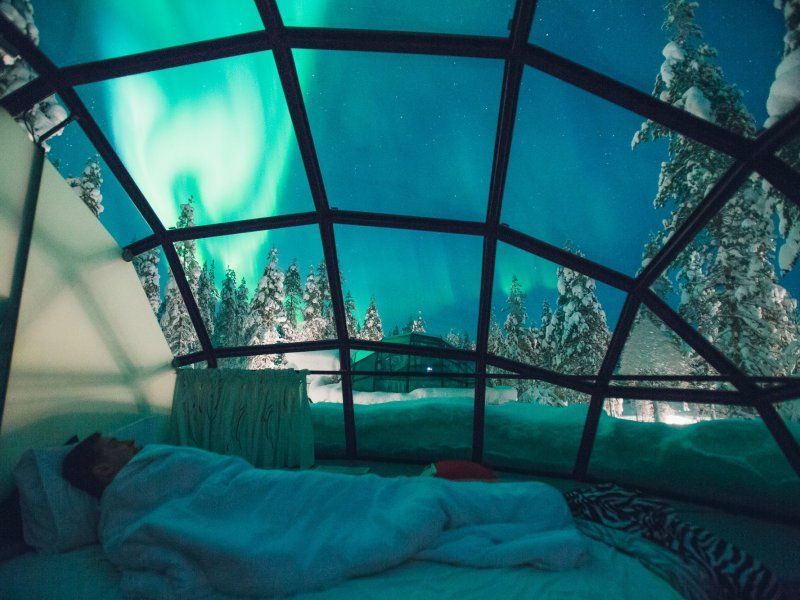
- Glass igloos
- Husky safaris
- Reindeer experiences
- Strong package infrastructure
Best for: Families, activity lovers, magical winter vibe.
For a festive Arctic experience combining reindeer rides, glass igloos and aurora sightings, explore our Lapland winter wonderland holidays for inspiration.
🇸🇪 Swedish Lapland - Wild & Remote

Abisko is famed for clearer skies thanks to its microclimate.
Best for: Repeat travellers, serious aurora hunters, quieter trips.
If you're still deciding between Iceland, Norway or Lapland, our detailed guide to holidays to chase the Northern Lights explores global options in more depth.
UK Flights: Direct vs Indirect
For most northern lights trips from uk, flight choice shapes your experience.
Direct Flights
- Faster
- Lower risk of missed connections
- Ideal for 3–4 night breaks
Available seasonally from:
- London Gatwick
- London Heathrow
- Manchester
- Bristol
- Edinburgh (limited routes)
Indirect Flights
- More flexibility
- Sometimes cheaper
- Longer travel time
If you’re travelling from Wales, the Midlands or Northern Ireland, Manchester or London often offer the best range.
Choose Your Departure Airport
Instead of listing airports randomly, here’s a simple framework:
- South of England: London airports offer the most direct options to Iceland and Tromsø.
- Midlands & North England: Manchester often has strong seasonal Arctic routes.
- Scotland: Edinburgh and Glasgow offer good Iceland links; Tromsø often requires connection.
- Wales: Cardiff options are limited; Bristol or Manchester are usually easiest.
The best airport is often the one that minimises connections on a short winter break.
Expectations vs Reality
This is where most guides fall short.
What Your Eyes See
Often:
- Pale green glow
- Slow movement
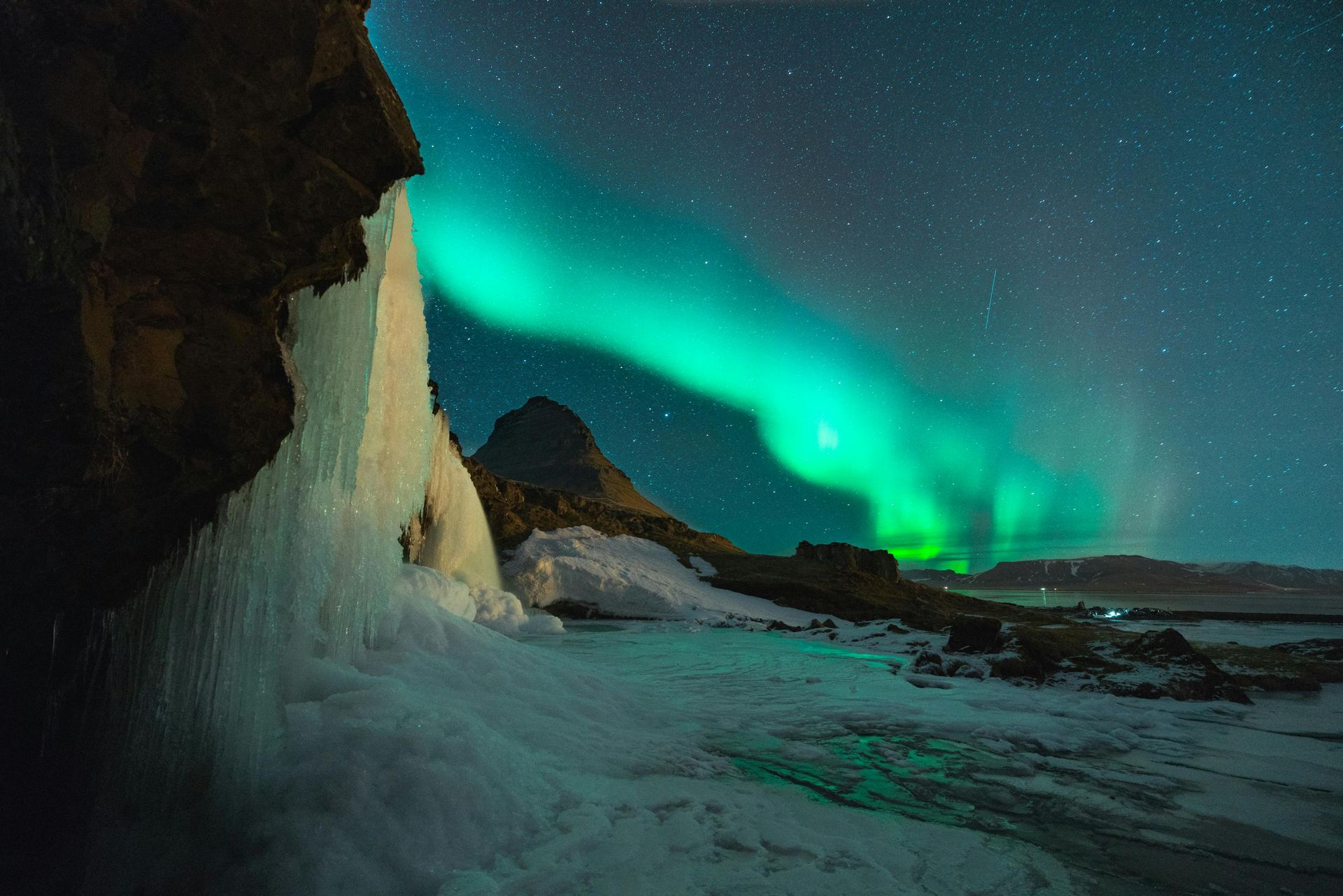
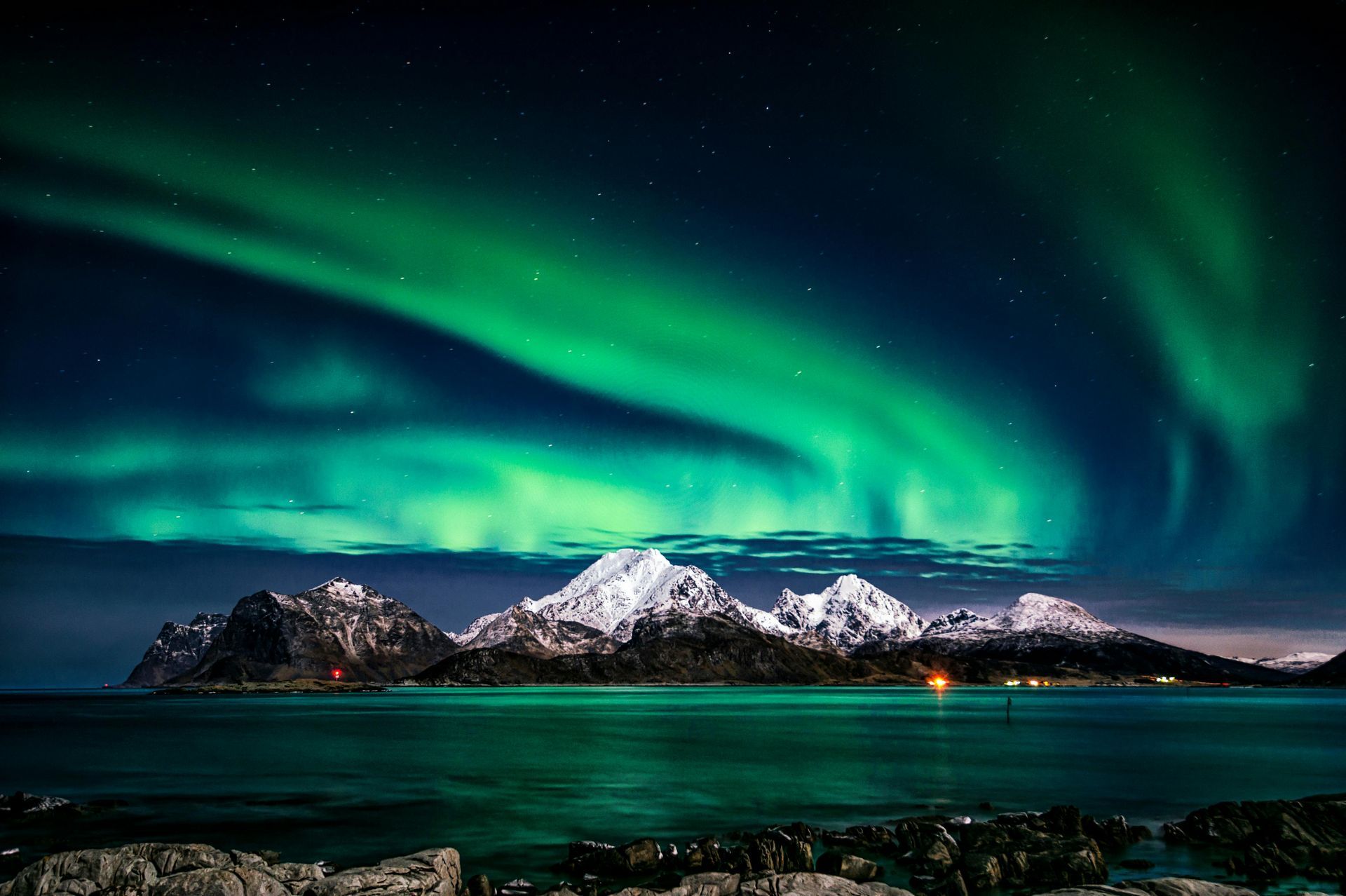
- Subtle curtains
What Cameras Capture
- Brighter green
- More defined structure
- Sometimes purple/pink tones
The aurora is magical. But it’s not a fireworks show every night.
Displays can last:
- 5 minutes
- Or several hours in waves
Cloud cover is the biggest enemy. Not solar activity.
How Many Nights Do You Need?
For realistic odds:
3 Nights
Short break. Possible. Slightly risky.
4 Nights
Much better odds. Sweet spot for Iceland or Tromsø.
7 Nights
Maximum flexibility. Ideal for Lapland packages or self-drive Iceland.
Longer stays dramatically increase probability.
How to Maximise Your Chances
- Get outside city light pollution
- Be mobile (guided tours chase clear skies)
- Check cloud forecasts daily
- Don’t give up after one quiet night
What If the Aurora Doesn’t Show?
Good planning means your trip is still incredible.
Iceland
- Golden Circle
- Glacier lagoons
- Blue Lagoon
Tromsø
- Whale watching
- Fjord cruises
- Arctic cathedral views
Lapland
- Husky sledding
- Snowmobiling
- Ice hotels
Never make your entire trip depend on one natural event.
If the Arctic has sparked your interest, you might also enjoy browsing our curated list of winter wonderland destinations for more snowy escape ideas.
Packing for Northern Lights Trips from UK
You’ll stand still in sub-zero temperatures.
Bring:
- Thermal base layers
- Insulated boots
- Hat + gloves + neck gaiter
- Tripod (if serious about photos)
- Spare batteries (cold drains them)
Many tours provide thermal suits.
Simple Photography Tips
Phone:
- Night mode on
- Stabilise against railing or tripod
- Avoid zoom
Camera:
- Manual mode
- ISO 800–3200
- Wide aperture
- 5–15 second exposure
Even beginners get great shots now.
Costs & Booking Strategy
Typical winter price bands (per person):
Iceland 3–4 nights: £700–£1,200
Tromsø 4 nights: £900–£1,500
Lapland 4–5 nights (with activities): £1,200–£2,500
Book in this order:
- Flights (or package)
- Accommodation
- Aurora tour
- Day excursions
Flexibility matters.

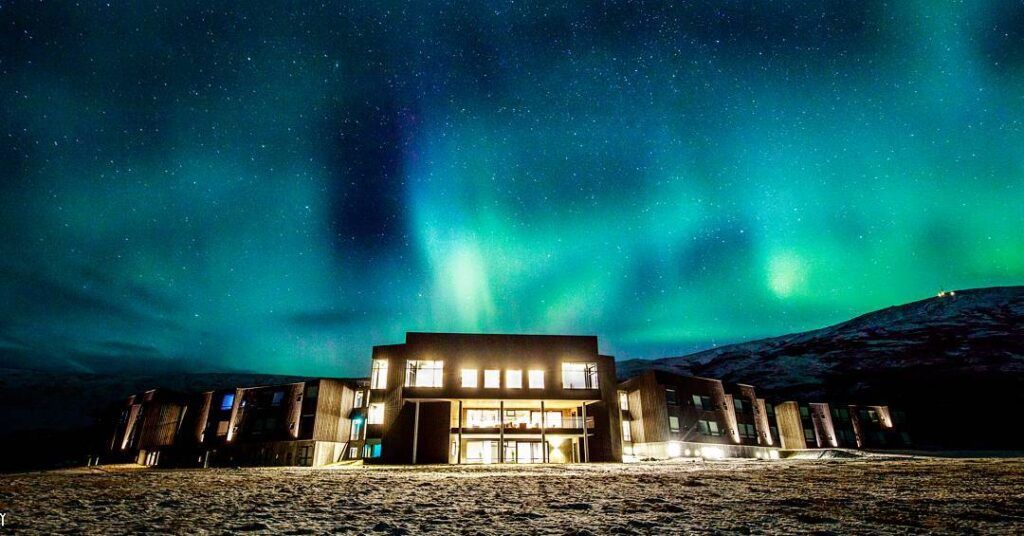
Fosshotel Glacier Lagoon (Iceland)
Modern, remote and ideal for dark skies. Large panoramic windows and easy access to Iceland’s south coast.
Explore more Iceland northern lights offers with Jamie Wake Travel for tailored flight + hotel combinations.
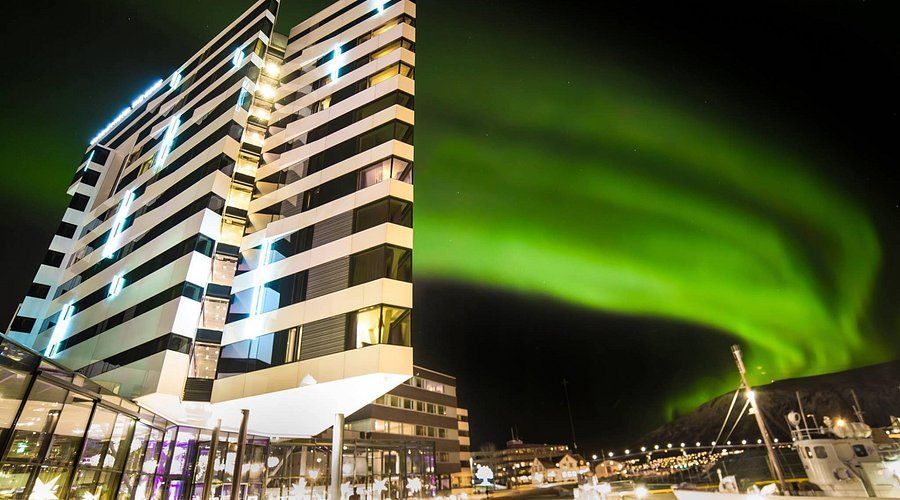
Clarion Hotel The Edge (Tromsø)
Stylish waterfront base in the heart of the Arctic city. Perfect for mixing urban comfort with nightly aurora tours.

Ask Jamie Wake Travel about Tromsø winter breaks with guided aurora hunting included.

Kakslauttanen Arctic Resort (Finland)
Iconic glass igloos under pristine Lapland skies. Bucket-list accommodation.
Speak to Jamie Wake Travel for Lapland packages including flights, transfers and winter activities.
UK Protection & Peace of Mind
When booking northern lights trips from uk, protection matters.
Package holidays with ATOL protection safeguard your money if an airline fails.
As an independent UK agency, Jamie Wake Travel offers:
- ATOL-protected packages
- Supplier Failure Insurance
- Human support before and during travel
DIY bookings don’t always include this reassurance.
Before confirming any Arctic adventure, it’s worth understanding ATOL protection explained so you know exactly how your money is safeguarded.
Jamie Says:
“The biggest mistake I see? People booking just two nights and hoping for a miracle. Give yourself time. And remember - the whole Arctic experience is the reward, not just the lights.”

Why Book with Jamie Wake Travel?
Planning northern lights trips from uk can feel overwhelming. Flights, winter weather, tour timing, regional airports - it’s a lot to juggle.
Jamie Wake Travel simplifies it.
You get:
- Honest expectation-setting
- Proper financial protection
- Personalised planning
- Access to trusted Arctic suppliers
Call 01495 400005 or use the enquiry form online. You can also use the website search tool to build a holiday as unique as you are.
Because seeing the northern lights should feel exciting - not stressful.
Send an Enquiry
We will get back to you as soon as possible.
Please try again later.
Frequently Asked Questions: Northern Lights Trips From UK
What are the best months for northern lights trips from uk?
Late September to March, with February and March often offering excellent conditions.
How many nights do I need for northern lights trips from uk?
Four nights is the sweet spot for good odds.
Can northern lights trips from uk guarantee sightings?
No. The aurora is a natural phenomenon and can’t be guaranteed.
Is Iceland or Norway better from the UK?
Iceland is often simpler; Tromsø offers higher latitude advantages.
Are there direct flights for northern lights trips from uk?
Yes — from London and Manchester primarily.
What time of night is best?
Typically 9pm–2am.
Do I need a tour?
Not essential in Iceland if self-driving; highly recommended in Norway/Lapland.
What will I actually see?
Often green arcs; brightness varies.
What if it’s cloudy?
Tours may chase clearer skies.
Are packages safer than DIY?
Packages offer ATOL protection and clearer support structures.