Where to See the Northern Lights Without Extreme Cold or Crowds
Best places to see northern lights Europe for clearer skies, lighter cold, and fewer crowds
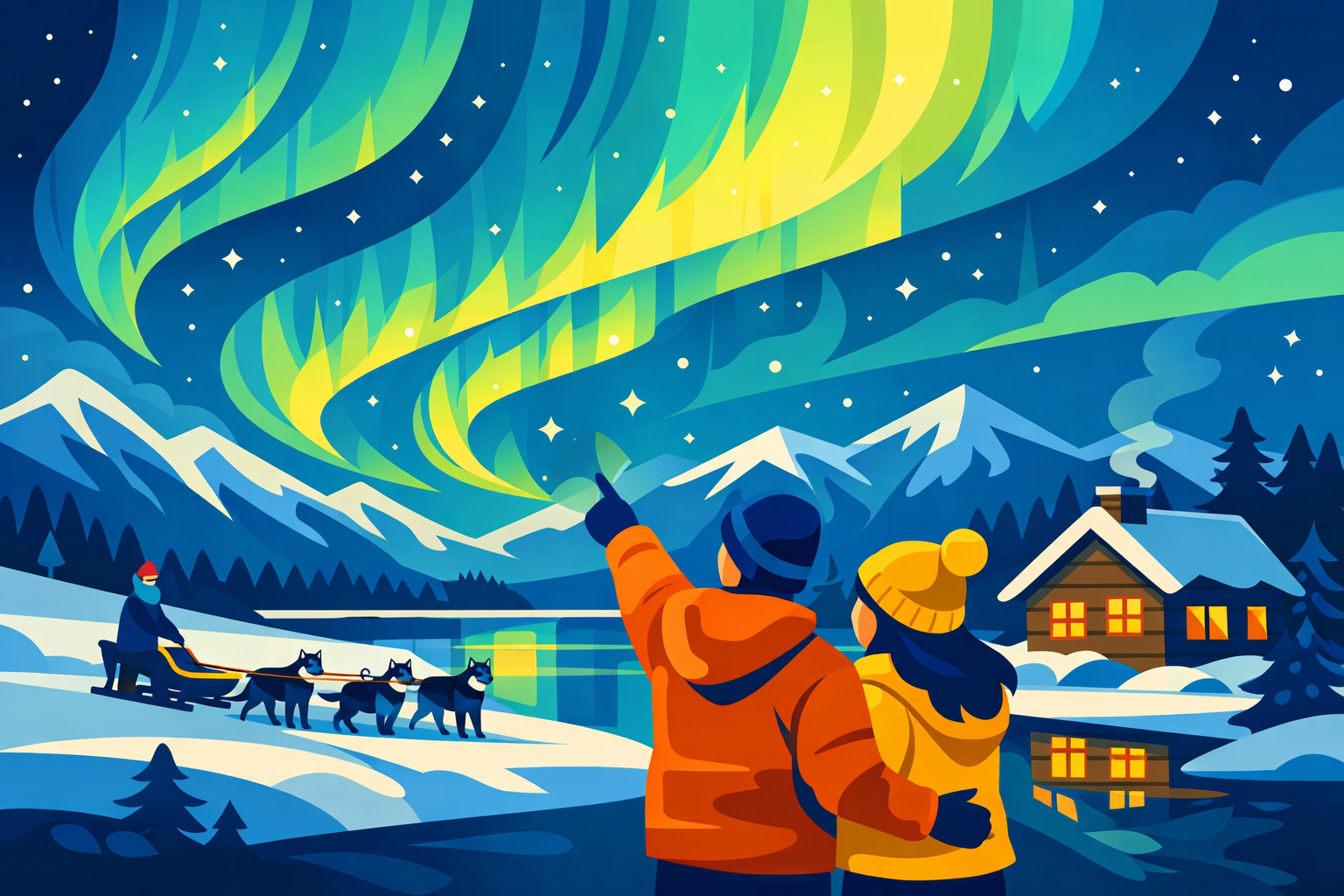
If you are searching for the best places to see northern lights Europe, you probably want more than a basic list. You want strong aurora potential, manageable temperatures, and space to enjoy the moment without standing in a packed car park at midnight.
That balance is possible.
You just need a smarter plan.
The aurora borealis appears within the aurora zone across northern Europe. However, not every location within that zone feels the same. Some are brutally cold. Others are busy in peak season. A few offer a far better mix of comfort, access, and viewing potential.
This guide is built for UK travellers. It focuses on five destinations that give you a genuine chance of seeing the Northern Lights while keeping the trip enjoyable from start to finish.
Comfort improves patience.
Best places to see northern lights Europe in 2026 and beyond
Solar activity follows an 11-year cycle. We are currently moving through a stronger phase of that cycle, which means geomagnetic activity remains favourable for the next few seasons.
That does not guarantee displays.
It does increase opportunity.
For 2026 and the following winter seasons, experts expect continued elevated solar activity compared to quieter cycle years. Therefore, planning a Northern Lights trip now makes sense.
The window is open.
The key is not just chasing “solar maximum” headlines. It is pairing strong geomagnetic potential with smart location choice, clear skies, and enough nights in destination.
Best places to see northern lights Europe: what actually determines success
Before choosing a destination, understand what truly affects your chances.
Latitude matters because the aurora zone sits around the Arctic Circle. Yet cloud cover blocks everything. Light pollution reduces visibility. Trip length also plays a major role.
So focus on these essentials:
- Clear, dark skies
- At least three nights in location
- Easy access to darker areas
- Shoulder-season timing
Cloud matters more than hype.
Trip length matters more than one forecast.
The KP index often gets attention online, but moderate geomagnetic activity under clear skies can outperform a strong forecast hidden by cloud. That is why flexibility is key.
Darkness beats drama.
Best time to visit without extreme cold
The Northern Lights season generally runs from late September to early April. However, the middle of winter is not your only option.
If you want slightly milder conditions and fewer crowds, target:
- Late September to mid-October
- Early March to early April
- Midweek stays outside peak holidays
March is often ideal. Days are longer, temperatures are less severe than January, and snow still reflects light beautifully. You also avoid the busiest festive weeks.
Timing shapes comfort.
For travellers who prefer milder climates outside peak periods, our guide to the best resorts to visit in the off-season offers useful alternatives.
Viewing statistics and practical data to guide your choice
While the Northern Lights can never be guaranteed, certain patterns help with planning.
Typical winter cloud cover averages (December–March):
- Coastal North Iceland: around 60–70% average cloud cover, with rapid clearing periods
- Senja region, Norway: similar 60–70% averages, but frequent breaks
- Abisko, Swedish Lapland: often lower localised cloud due to rain-shadow effect
- Inari, Finnish Lapland: 65–75% seasonal average
- Northern Scotland: highly variable, often 70%+ winter cloud
Cloud is the main obstacle.
Estimated visible aurora nights per week in peak season under clear skies:
- Northern Scandinavia: 3–4 nights per week
- Iceland: 2–4 nights per week
- Northern Scotland: lower frequency and less intensity
Average flight times from major UK hubs:
- London to Akureyri (via Reykjavik): 3–5 hours total travel time
- London to Tromsø (for Senja access): around 3 hours direct
- London to Kiruna (via Stockholm): 4–5 hours total
- London to Ivalo (for Inari): around 3.5–4 hours
- London to Inverness (Scotland): 1.5 hours
Travel time shapes fatigue.
These figures provide guidance, not guarantees. However, they help compare destinations more objectively.
Visualising the aurora zone across Europe
If you picture a curved band crossing northern Iceland, northern Norway, Sweden, Finland, and brushing the top of Scotland, you are visualising the aurora zone.
The closer you are to the centre of that band, the higher your baseline chance of seeing activity when skies are clear.
Latitude sets the stage.
What the aurora borealis really looks like
Online photos often show bright greens and purples across the sky. In reality, many displays begin softly.
You may see:
- A pale arc
- A shifting mist
- A faint glow on the horizon
Then movement builds.
That movement creates the magic.
Your eyes adjust slowly. Cameras capture more colour. The experience is still powerful.
Expect subtle before spectacular.
Best places to see northern lights Europe with a comfort-first filter
Below are five destinations that balance viewing potential, crowd management, and realistic comfort.
Each offers a different style of experience. Choose the one that matches how you travel.
North Iceland – Akureyri and Lake Mývatn
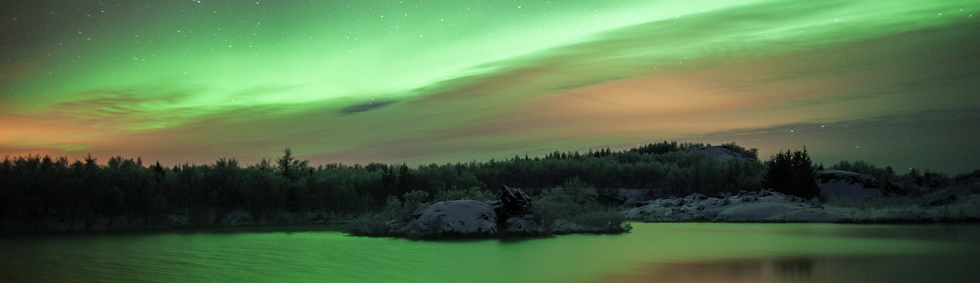
Southern Iceland attracts large numbers of visitors. Northern Iceland feels calmer.
Akureyri sits firmly within the aurora zone. It offers strong infrastructure, good restaurants, and easy access to darker areas along Eyjafjörður fjord. You can reach quiet viewpoints within minutes.
The coastal climate moderates temperature slightly compared to deep inland Arctic locations. It still gets cold, but it rarely feels as harsh as central Lapland mid-winter.
Balance is the strength here.
Why it works
- Short drives to dark skies
- Fewer tour buses than Reykjavik area
- Direct UK flight routes via Akureyri or domestic connections
Where to watch
- Quiet fjord-side pull-offs
- Lake Mývatn area
- Rural roads away from street lighting
Hotel suggestion: Hotel Kea, Akureyri
Hotel Kea provides central comfort without isolating you from amenities. After dinner, you can step outside to check conditions or drive ten minutes into darker surroundings. Rooms are warm and practical. That simplicity makes the trip easier.
We have access to Iceland packages including northern-focused itineraries, flight combinations, and optional aurora excursions. If you would like us to check current offers or tailor dates around your schedule, we will build a plan that fits your budget
Senja, Norway – dramatic landscapes without heavy traffic
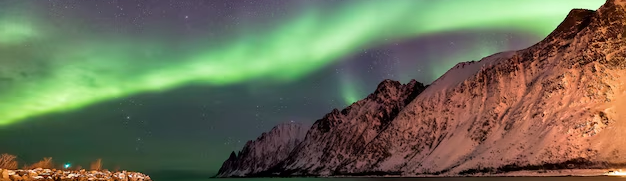
Tromsø dominates many lists of the best places to see northern lights Europe. Senja offers similar aurora positioning with fewer crowds.
Senja is Norway’s second largest island. It sits within the aurora belt and delivers open horizons, mountain backdrops, and wide coastal views. The Gulf Stream moderates temperatures slightly compared to inland areas.
Space changes the atmosphere.
Why it works
- Strong aurora zone location
- Smaller-scale tourism
- Coastal moderation
Viewing tips
- Avoid staying in the busiest village hubs
- Choose accommodation near open coastline
- Keep one flexible evening for cloud chasing
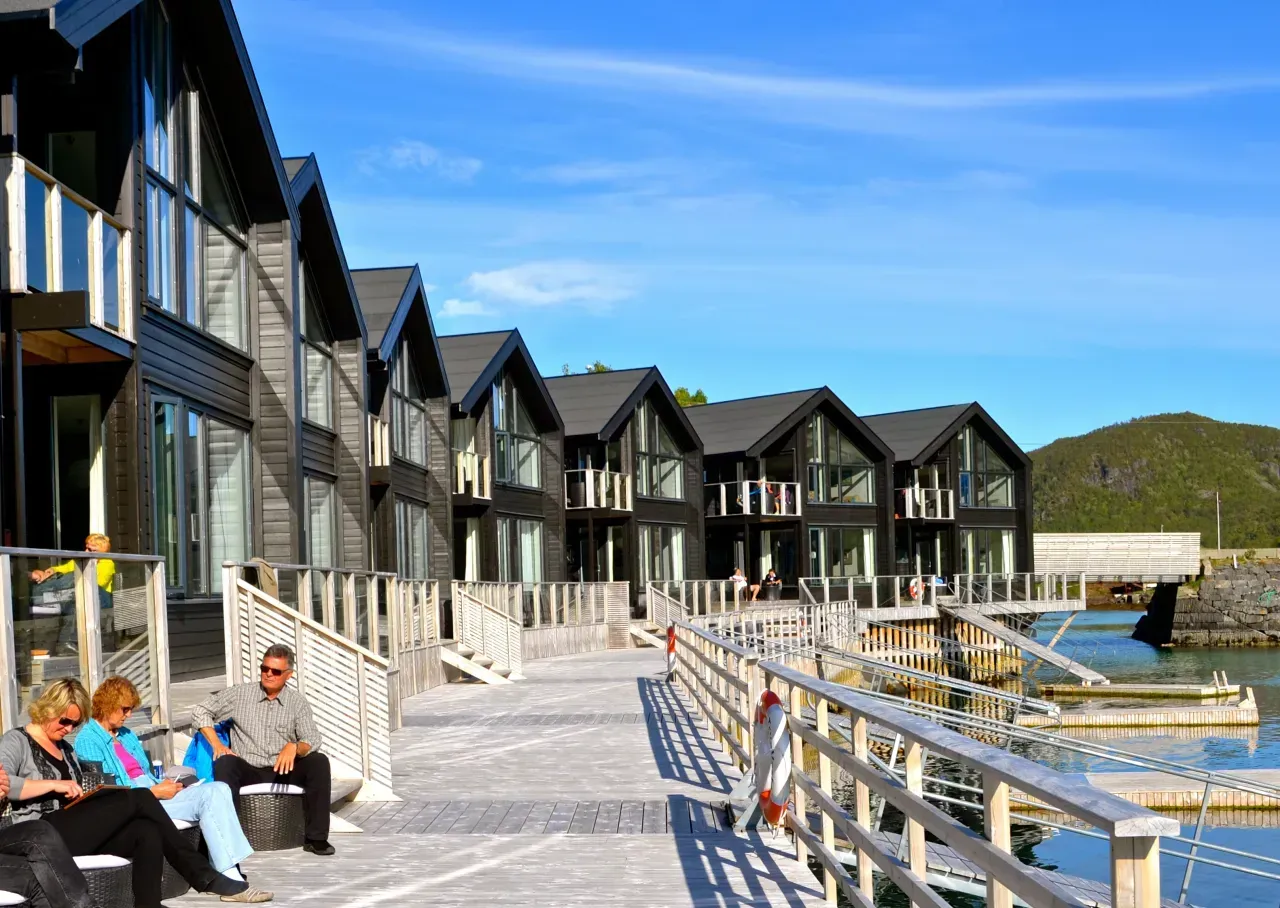
Hotel suggestion: Hamn i Senja
Hamn i Senja places you directly within dramatic scenery. You step outside into darkness quickly. That reduces the need for long night drives. The atmosphere feels peaceful rather than commercial.
We can arrange Norway itineraries combining flights, transfers, and optional guided aurora evenings. If you prefer a self-drive option with flexibility, we can tailor that too.
Abisko, Swedish Lapland – clearer skies advantage
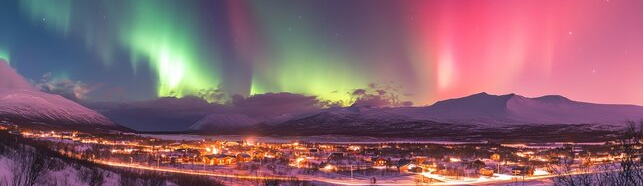
Abisko is often highlighted among the best places to see northern lights Europe for one reason: clearer skies.
The surrounding mountains create a rain-shadow effect that can reduce cloud cover compared to nearby regions. While nothing is guaranteed, this geographical advantage improves consistency.
It can be cold mid-winter. However, March provides a more comfortable balance.
Clear skies improve odds.
Why it works
- Frequent reports of reduced cloud
- Strong rail access via Kiruna
- Dark skies close to accommodation
Viewing areas
- Abisko National Park
- Lake Torneträsk shoreline
- Aurora Sky Station
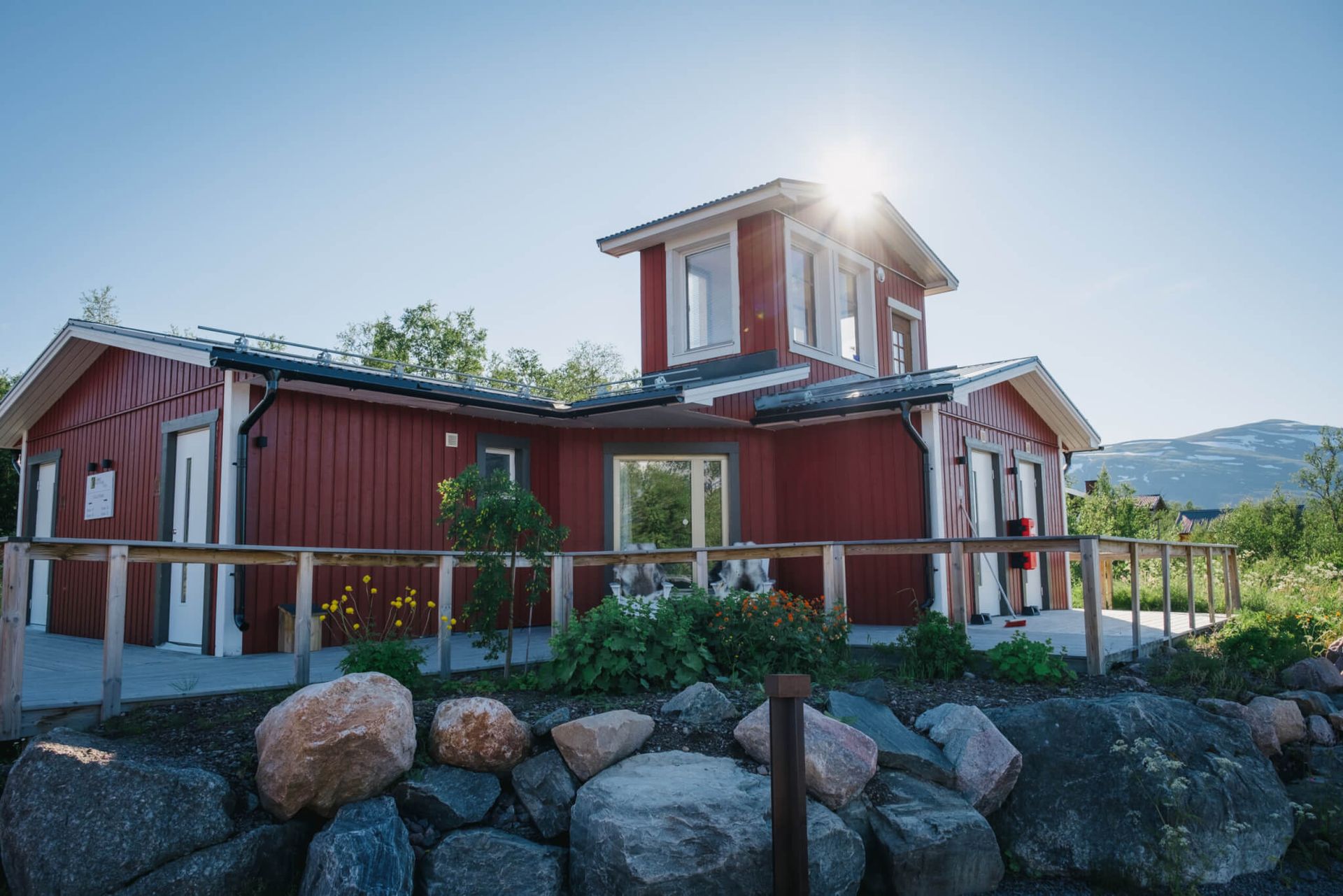
Hotel suggestion: Abisko Mountain Lodge
Abisko Mountain Lodge offers warmth and proximity to key viewing areas. You do not need complicated travel plans. That makes the stay feel manageable rather than intense.
We offer Sweden packages including rail links, guided activities, and tailored lodge stays. If you want to focus on viewing reliability while maintaining comfort, we will shape the right balance.
Inari, Finnish Lapland – peace, sauna, and slower pace
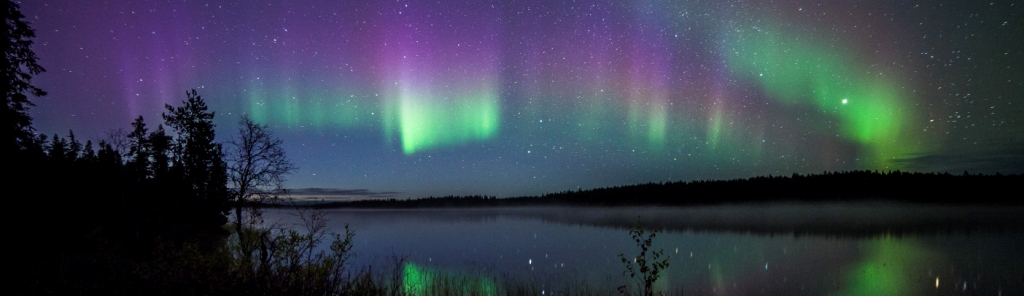
Finland can be colder than coastal Norway or Iceland. Yet Inari offers a calmer rhythm.
Inari sits well within the aurora zone. It also benefits from lower visitor numbers compared to busier Lapland hubs. The Finnish approach to winter emphasises sauna, warm interiors, and steady pacing.
Warmth offsets cold.
Why it works
- Quiet environment
- Dark skies nearby
- Accommodation built for winter comfort
Viewing tips
- Check lakeside areas
- Step outside frequently rather than committing to long waits
- Use sauna sessions to warm between checks
If you are drawn to Arctic scenery but want a structured, family-friendly experience, our guide to Lapland winter wonderland holidays explains what to expect.
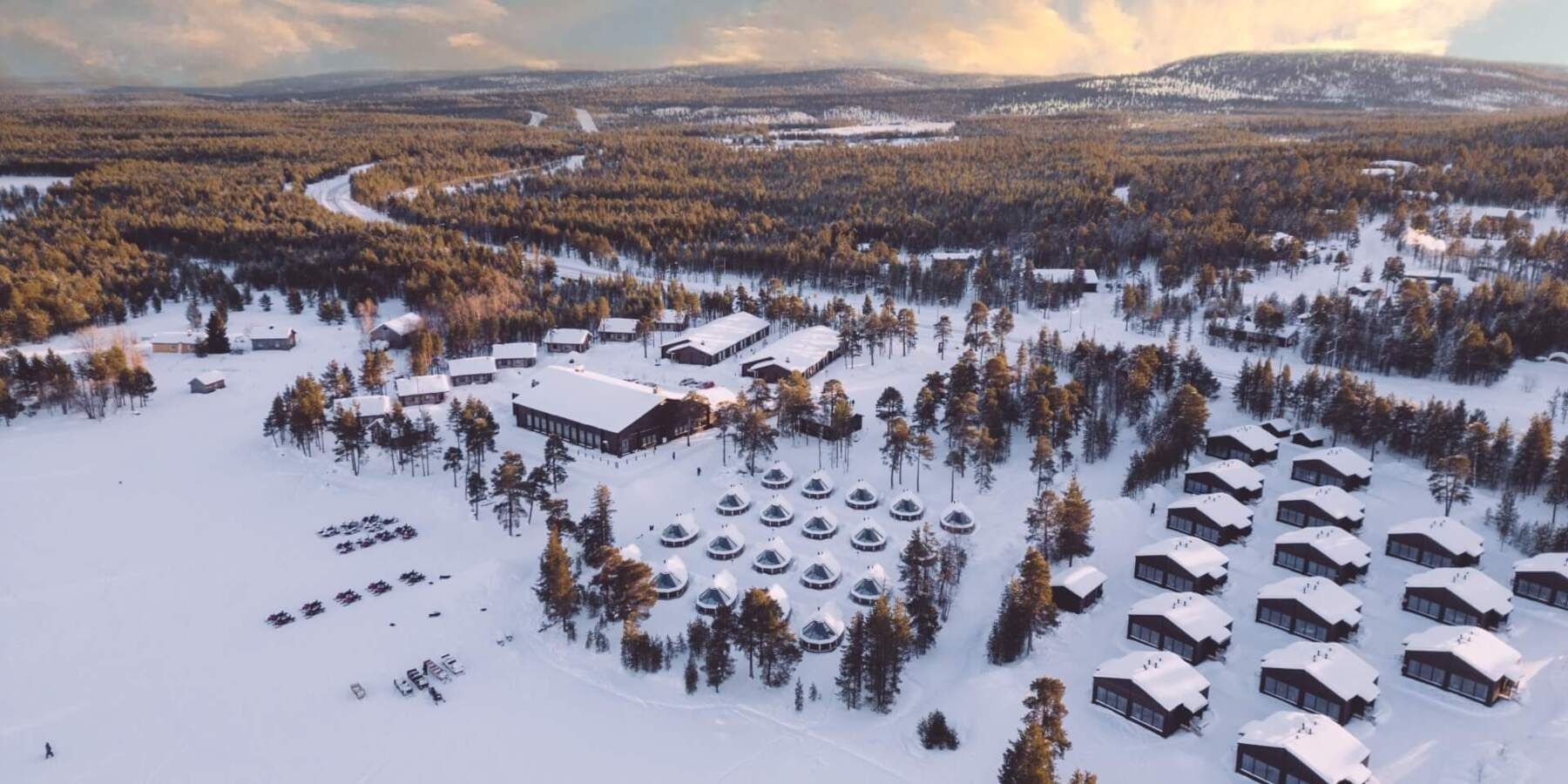
Hotel suggestion: Wilderness Hotel Inari
Wilderness Hotel Inari combines comfort and isolation. Rooms feel inviting rather than exposed. That makes multiple viewing attempts easier across several nights.
We can build Finland itineraries with cabin upgrades, activity add-ons, and varied UK departure points. If you want Lapland without heavy tourism pressure, this is a strong option.
Northern Scotland – realistic UK alternative
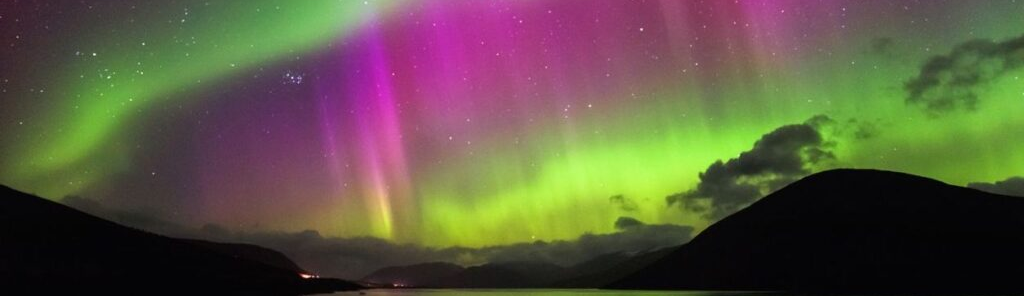
Scotland sits at the edge of the aurora zone. It is less reliable than Scandinavia. However, it offers ease of travel and reduced cold intensity.
On strong geomagnetic nights with clear skies, Caithness, Sutherland, Skye, and Shetland can produce visible displays. Even if the aurora remains faint, you still enjoy a striking Highland break.
Lower commitment suits some travellers.
Why it works
- No international flights
- Short-break friendly
- Moderate winter conditions
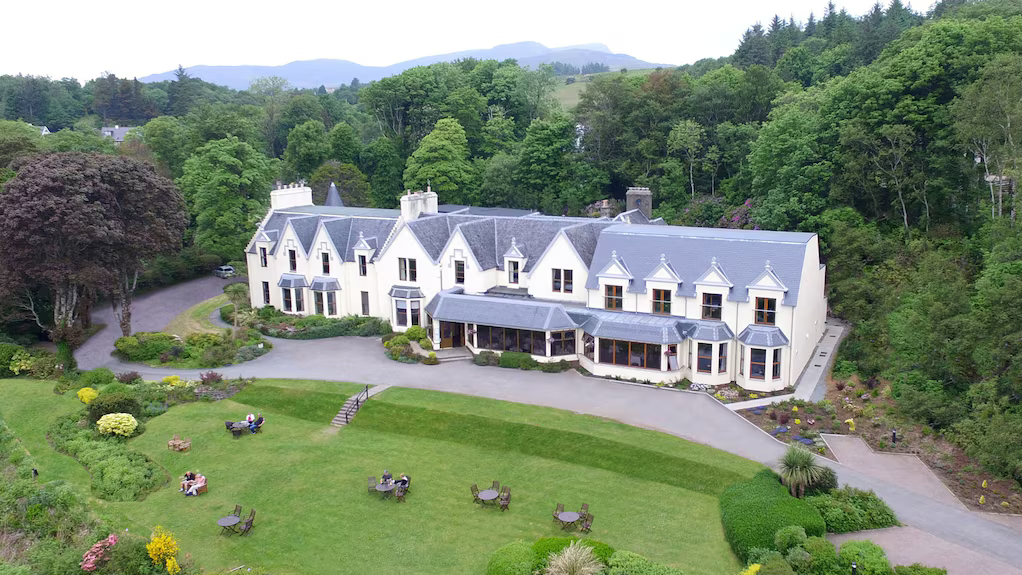
Hotel suggestion: Cuillin Hills Hotel, Isle of Skye
Cuillin Hills Hotel combines comfort with expansive views. Skye provides rewarding daytime exploration. On clear nights, darker coastal spots are within reach.
We can arrange tailored Scotland stays or combine Skye with other Highland routes. If you want a flexible UK aurora attempt, we will suggest the best seasonal window.
Comfort and crowd comparison for the best places to see northern lights Europe
Below is a simplified comparison to help you choose quickly.
North Iceland
Comfort level: Moderate to High
Crowd level (shoulder season): Low to Moderate
Cold intensity (March): Moderate
Clear-sky reliability: Good
Ease from UK: Good
Senja
Comfort level: Moderate
Crowd level: Low
Cold intensity (March): Moderate
Clear-sky reliability: Good
Ease from UK: Moderate
Abisko
Comfort level: Moderate
Crowd level: Moderate
Cold intensity (March): Moderate to Cold
Clear-sky reliability: Very Good
Ease from UK: Moderate
Inari
Comfort level: Moderate to High
Crowd level: Low
Cold intensity (March): Cold
Clear-sky reliability: Good
Ease from UK: Moderate
Northern Scotland
Comfort level: High
Crowd level: Low
Cold intensity (March): Mild to Moderate
Clear-sky reliability: Variable
Ease from UK: Very High
Match your tolerance honestly.
If avoiding heavy crowds is your top priority, Senja and Inari stand out.
If clearer skies matter most, Abisko gains an edge.
If ease from the UK is your focus, Scotland wins for simplicity.
Best places to see northern lights Europe compared simply
North Iceland
Balanced infrastructure, moderate coastal cold, easy dark access.
Senja
Dramatic scenery, fewer crowds, coastal climate.
Abisko
Clear-sky advantage, strong viewing focus.
Inari
Peaceful Lapland experience, comfort-driven pacing.
Northern Scotland
Lower reliability, easier travel, softer winter feel.
Match location to tolerance.
How to avoid crowds in practice
If avoiding crowds matters, use these tactics:
- Travel in March or late September
- Choose secondary airports where possible
- Stay outside central hotspots
- Avoid peak festive weeks
- Build one flexible night for clear-sky chasing
Midweek check-ins often help. Smaller lodges reduce noise. These simple choices shift the experience.
Strategy reduces stress.
If you are considering travelling off-season to avoid crowds and reduce costs, our guide explains how to plan it properly.
Best places to see northern lights Europe with UK planning in mind
From the UK, travel time affects enjoyment. Direct flights reduce fatigue. Three to five nights work well for most travellers.
Three nights provide a chance buffer. Five nights improve flexibility significantly. Longer trips raise overall probability.
Duration increases odds.
We tailor travel around:
- Your preferred airport
- Accommodation style
- Driving confidence
- Activity level
- Budget
You can also build your own bespoke holiday online through Jamie Wake Travel. The search function is available on every page. Your trip can be as unique as you are.
You can also explore our best winter destinations for budget travellers if you are comparing other cold-weather options across Europe.
Booking with Jamie Wake Travel – protection and peace of mind
Choosing among the best places to see northern lights Europe is only part of the process. Booking protection matters equally.
Jamie Wake Travel is a UK-based independent travel agency. We are a member of Protected Trust Services and hold an ATOL Licence.
When you book a qualifying package, your funds are financially protected under ATOL regulations. That safeguards you if an airline or supplier fails.
Security builds confidence.
Our tailor-made holidays also include:
- Supplier Failure Insurance
- Scheduled Airline Failure Insurance
- Access to trusted tour operators
- Ongoing personal support
You receive guidance before departure and assistance if plans change. That support removes uncertainty from complex winter travel.
If you enjoy comfort-led city breaks as well as Arctic adventures, you might also like discovering boutique hotels in Paris for a contrasting winter escape.
How we tailor your Northern Lights experience
Every traveller has different tolerance levels. Some want luxury lodges. Others want functional comfort.
We can arrange:
- Flights from your chosen UK airport
- Transfers or car hire
- Guided aurora tours
- Spa or relaxation add-ons
- Flexible evening structures
You control the pace. We provide structure.
Personalisation improves satisfaction.
If you would like us to handle everything, call 01495 400005 or use the holiday enquiry form on our website. We will tailor a Northern Lights itinerary around your priorities.
Alternatively, explore our website and create your own bespoke holiday online. The search function is available on every page, and we are always available if you prefer personal assistance.
Send an Enquiry
We will get back to you as soon as possible.
Please try again later.
Frequently Asked Questions: Best Places to see the Northern Lights in Europe
What are the best places to see northern lights Europe with fewer crowds?
North Iceland, Senja, and Inari often feel calmer than more famous hotspots, particularly in March and late September.
When is the best month for the best places to see northern lights Europe?
March offers a strong mix of darkness, slightly milder temperatures, and lower visitor numbers.
How many nights should I book for the best places to see northern lights Europe?
Three to five nights increases flexibility and allows for potential cloud cover on one evening.
Is Abisko really one of the best places to see northern lights Europe?
Abisko is widely regarded for clearer skies due to local geography, which can improve viewing consistency.
Can I avoid extreme cold in the best places to see northern lights Europe?
Choosing coastal bases and shoulder-season timing reduces the likelihood of extreme temperatures.
Is Scotland a realistic alternative?
Scotland can produce aurora displays during strong geomagnetic activity, though reliability is lower than Scandinavia.
Do I need a guided tour?
Guided tours help monitor cloud cover and drive to clearer skies, but self-guided viewing can work with planning.
What time of night is best?
Darkness and clear skies matter more than the exact hour, though evening to midnight is common.
What protection do I get when booking through Jamie Wake Travel?
You book with a UK-based agency that is a member of Protected Trust Services and holds an ATOL Licence, and tailor-made holidays include Supplier Failure Insurance and Scheduled Airline Failure Insurance.
Can I build my own Northern Lights holiday online?
Yes, you can use the Jamie Wake Travel website to create and book your own bespoke holiday, and we remain available if you prefer personal planning support.