Water Sports Holidays: Snorkelling, Diving, Surfing and Kayaking
Water Sports Holidays: Snorkelling, Diving, Surfing and Kayaking
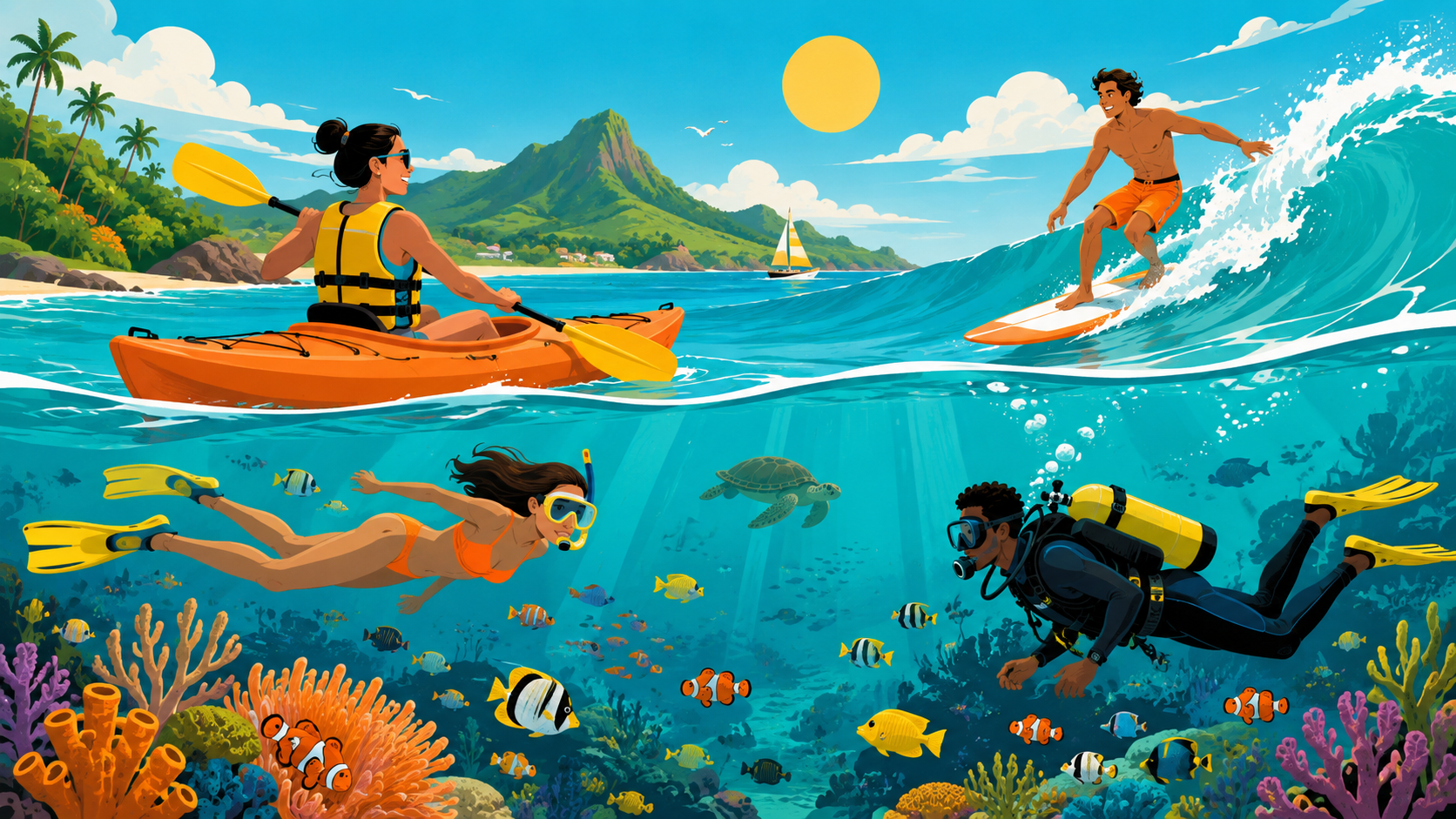
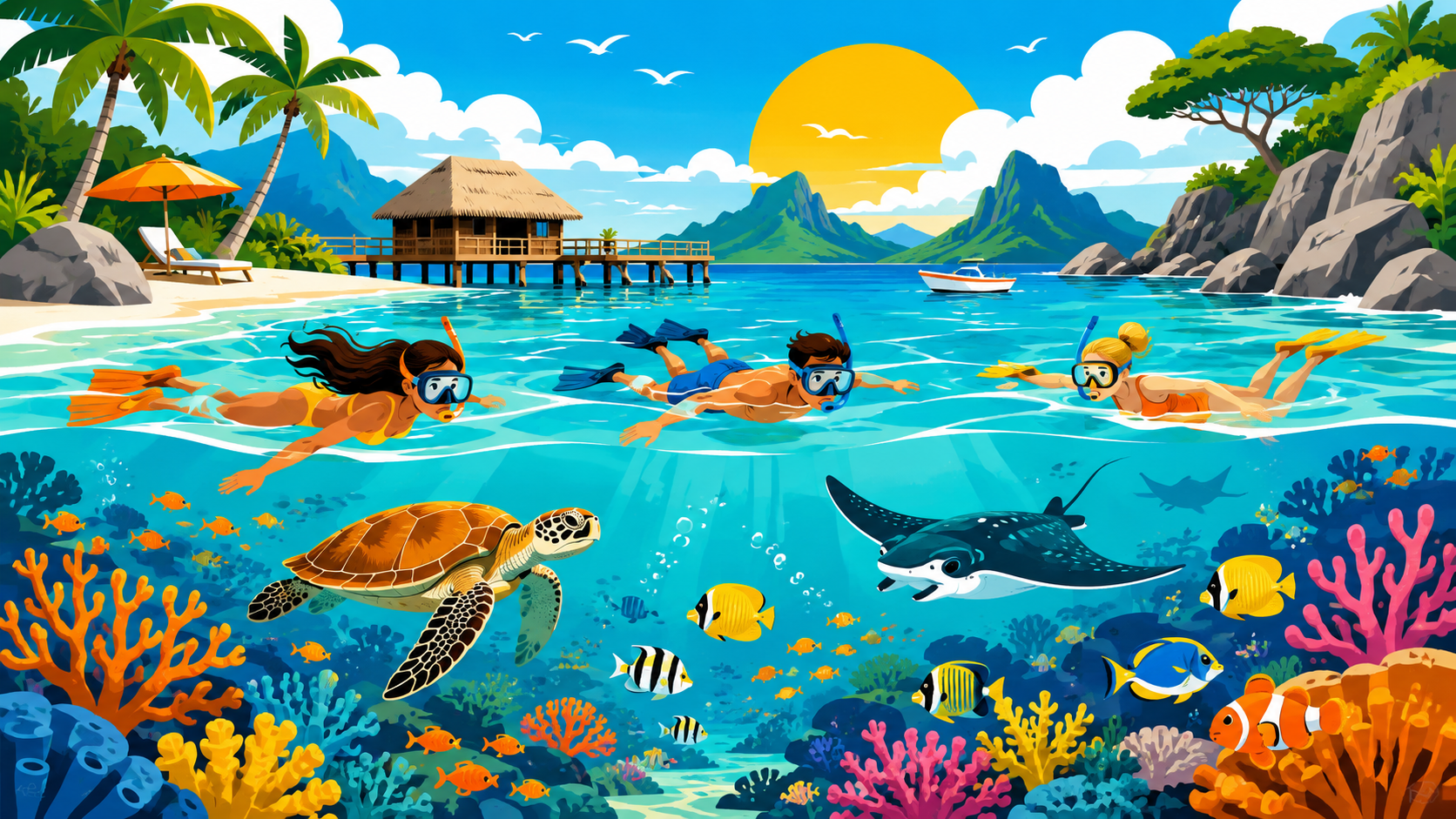
Water sports holidays can be as gentle as drifting above a shallow reef or as energetic as paddling through ocean swells. You might spend your mornings snorkelling in clear lagoons, learn to scuba dive beside colourful marine life, take your first surf lesson or explore a coastline by kayak.
The challenge is choosing a holiday that genuinely suits your confidence, fitness and experience. A hotel advertising “watersports available” may offer little more than occasional kayak hire, while a specialist water sports resort might have professional equipment, qualified instructors, scheduled tuition and activities for several ability levels.
This guide explains how to choose between snorkelling, scuba diving, surfing and kayaking, where to find the right conditions and what UK travellers should check before booking.
In This Guide
- What are water sports holidays?
- Which water sport is right for you?
- Snorkelling holidays
- Scuba diving holidays
- Surfing holidays
- Kayaking holidays
- Best short-haul destinations
- Best long-haul destinations
- Combining several water sports
- Families, couples and solo travellers
- Planning from the UK
- What is included and what costs extra?
- Safety, qualifications and travel insurance
- Frequently asked questions
What Are Water Sports Holidays?
Water sports holidays are trips where activities on, in or beneath the water form a meaningful part of the experience. They range from relaxed beach holidays with optional guided excursions to specialist activity holidays built around tuition, equipment hire and daily sessions.
Common types include:
- All-inclusive water sports resorts offering non-motorised activities.
- Beach holidays with optional snorkelling, diving or kayaking trips.
- Specialist surf camps with lessons and board hire.
- Dive resorts and liveaboards for qualified scuba divers.
- Guided sea kayaking or river kayaking tours.
- Multi-activity holidays combining several water adventures.
- Tailor-made holidays arranged around different interests and ability levels.
Some travellers want one main activity, while others prefer water activity holidays offering plenty of choice. A couple might combine diving and snorkelling, while a family may want kayaking, paddleboarding and beginner-friendly beach activities.
For further inspiration across different activity styles, read Top Locations for Water Sports and Adventure.
Which Water Sport Is Right for You?
The best activity is not necessarily the most dramatic one. It is the sport that suits your swimming confidence, fitness, willingness to learn and preferred holiday pace.
| Activity | Beginner difficulty | Typical fitness | Water confidence | Qualification | Age considerations | Best conditions | Common additional costs | Particularly good for |
|---|---|---|---|---|---|---|---|---|
| Snorkelling | Usually straightforward to begin | Low to moderate | Basic confidence is helpful | No, although guidance is valuable | Operator rules vary; supervised shallow-water sessions may suit younger children | Calm, clear and relatively shallow water | Boat trips, private guides and upgraded equipment | Families, couples, wildlife lovers and beginners |
| Scuba diving | Requires tuition and preparation | Moderate | Good water confidence is important | Required for independent recreational diving | Strict minimum ages vary by programme, operator and training organisation | Good visibility, manageable currents and professional dive support | Courses, certification materials, boat dives and equipment hire | Marine-life enthusiasts and adventurous travellers |
| Surfing | Physically demanding at first | Moderate to high | Confidence in moving water is important | No formal qualification, but lessons are strongly recommended | Children’s lessons may be available, subject to the surf school’s rules and conditions | Manageable waves, suitable tides and a safe sandy beach break | Private lessons, board upgrades, wetsuit hire and beach transfers | Active travellers, solo travellers and older children or teenagers |
| Kayaking | Straightforward in sheltered water | Low to high depending on the route | Helpful, although buoyancy aids are normally used | Usually not for casual resort hire; advanced routes may require experience | Tandem options may suit families; independent paddling limits vary | Sheltered bays, lakes or routes matched to participants’ ability | Guided tours, specialist equipment, transfers and expedition support | Couples, families, wildlife watching and scenic exploration |
Think about what you want from the holiday. Snorkelling is accessible and easy to fit around a conventional beach break. Diving offers a deeper marine experience but involves training and safety procedures. Surfing is exhilarating but can be tiring for beginners. Kayaking can be peaceful or adventurous, depending on whether you are paddling across a calm lagoon or joining a multi-day expedition.
Snorkelling Holidays
Snorkelling is often the easiest introduction to a water-based holiday. It requires less equipment and training than scuba diving and can usually be enjoyed in shorter sessions.
A well-run first session normally begins with fitting the mask, snorkel and fins, followed by practice in shallow water. The guide should explain how to clear the snorkel, breathe steadily, use the fins without exhausting yourself and signal if you need assistance. Equipment is usually supplied on an organised excursion, but travellers should confirm whether prescription masks, flotation aids and child-sized equipment are available. Beginners can then progress from a protected beach or lagoon to a guided boat trip once they feel comfortable.
The best beginner snorkelling destinations offer:
- Warm, clear water.
- Easy entry from a beach or platform.
- Shallow reefs or sheltered lagoons.
- Limited currents.
- Professional guides and well-maintained equipment.
- Marine life visible close to the surface.
A house reef can be particularly convenient because it allows you to snorkel directly from the hotel beach rather than joining a boat excursion every time. However, not all house reefs are equally accessible. Some require a long swim, entry from a jetty or confidence in deeper water.
Boat-based guided snorkelling can provide access to more varied reefs and wildlife, but the experience may involve stronger currents and open-water entry. Beginners should tell the operator about their experience and swimming confidence before setting off.
Destinations such as the Maldives, Mauritius, the Seychelles, the Caribbean and parts of Southeast Asia are renowned for reef snorkelling. Closer to home, Greece, Malta, Cyprus and the Canary Islands can provide enjoyable coastal snorkelling in suitable conditions.
Families should check minimum ages, buoyancy-aid availability and whether guides remain in the water with the group. Children who are confident in a swimming pool may still find waves, salt water and unfamiliar marine life overwhelming.
Our guide to Snorkelling Holidays: Best Destinations for Clear Water and Easy Reefs explores which destinations are particularly suitable for relaxed, accessible snorkelling.
Responsible snorkelling matters too. Avoid standing on coral, touching marine life or feeding fish. Follow local marine-park rules and choose operators that brief guests properly before entering the water.
Scuba Diving Holidays
Scuba diving allows you to spend longer underwater and explore reefs, wrecks, walls and deeper marine environments. It is more technical than snorkelling and requires professional instruction, suitable equipment and careful safety procedures.
Complete beginners may be able to try an introductory session under close supervision. Travellers who want to dive more independently will need training through a recognised certification organisation.
An introductory diving experience usually starts with a safety briefing, equipment explanation and practice in a pool or confined shallow-water area. Participants learn basic breathing, communication and equipment skills before entering deeper water under direct supervision. The operator should explain exactly what equipment is supplied and ask about relevant medical information before participation. Travellers who enjoy the introductory session can then consider a structured certification course rather than repeatedly booking one-off trial dives.
When comparing scuba diving holidays, look beyond photographs of clear water. Check:
- Whether the resort has an established dive centre.
- Which qualifications and experience levels are accepted.
- Whether courses are available.
- Typical travel time to dive sites.
- Boat size and group numbers.
- quipment condition and hire charges.
- Whether dives are guided.
- Typical currents, visibility and depth.
- Whether reef, wreck or drift diving is available.
- What non-diving companions can do.
Resort-based diving is convenient for couples and families because the diver can join scheduled excursions while other travellers enjoy the hotel. A liveaboard is far more dive-focused and is usually better suited to committed or experienced divers who want several dives each day.
The Maldives, Egypt, Malta, Indonesia, Thailand, the Caribbean, Mauritius and Australia all offer established diving regions, but conditions and suitability vary between individual sites. A destination famous for diving may still include strong currents or challenging boat entries, so beginners should choose the dive centre and location carefully.
UK travellers should also check their travel insurance. Standard policies may limit diving by depth, qualification or supervision. Some exclude technical diving, solo diving or certain specialist activities. Confirm cover before paying for a course or dive package.
Surfing Holidays
Surfing holidays can be sociable, energetic and enormously rewarding, but the learning curve is different from snorkelling or kayaking. Beginners spend plenty of time practising balance, paddling, reading waves and getting back onto the board after falling off.
A first surf lesson normally starts on the beach, where the instructor covers board handling, safe positioning, paddling, standing technique and what to do after falling into the water. Beginners will usually receive a larger, more stable board and a wetsuit where conditions require one. Early sessions should take place in manageable white water rather than on powerful unbroken waves. Progress normally comes through repeated lessons, rest and gradual exposure to slightly more challenging conditions—not by moving immediately to a famous advanced surf break.
A famous surf destination is not automatically a good place to learn. Some renowned breaks are powerful, crowded or suited to experienced surfers. Beginners generally need:
- A sandy beach break.
- Manageable waves.
- An experienced surf school.
- Small teaching groups.
- A suitable beginner board.
- Clear guidance about tides and currents.
- A lesson area separated from advanced surfers where possible.
Portugal, Fuerteventura, Lanzarote, Tenerife, Morocco, Costa Rica, Bali and parts of Australia are popular for surfing holidays. Conditions vary by coast and season, so choosing the right resort area is more important than simply choosing the right country.
Surf camps can work well for solo travellers because lessons, accommodation and social activities are often organised together. Couples and families may prefer a beach resort with bookable surf tuition alongside pools, restaurants and alternative activities.
Surfing is physically demanding. Paddling and repeatedly standing up use muscles that many beginners do not normally exercise. Building in rest days can make the holiday more enjoyable.
Board hire, wetsuits and group tuition may be included in a surf package, but private lessons, transfers to different breaks and video coaching often cost extra. Airline sports-equipment charges can also make travelling with your own board expensive, so hiring locally may be more practical.
Kayaking Holidays
Kayaking is one of the most flexible water activities because it can be enjoyed on sheltered hotel lagoons, scenic lakes, calm rivers or open coastlines.
Casual sit-on-top kayak hire is common at beach resorts and is often suitable for beginners when conditions are calm. Sea kayaking, fast-flowing rivers and longer expeditions require more experience, preparation and local knowledge.
A beginner session should cover fitting the buoyancy aid, entering and leaving the kayak, basic forward and turning strokes and what to do if the kayak capsizes. The operator should explain the permitted paddling area, local wind and current conditions and how assistance can be requested. New paddlers are usually better starting with a guided session or a clearly defined sheltered area before attempting a longer coastal route. Tandem kayaks can also provide reassurance for couples, families and less confident participants.
When choosing a kayaking holiday, consider:
- The type of kayak provided.
- Whether the route is guided.
- The distance and duration.
- Tides, currents and prevailing winds.
- Landing points and access.
- Buoyancy aids and safety equipment.
- Wildlife and environmental restrictions.
- The availability of support boats.
- Previous experience requirements.
Sheltered kayaking is excellent for couples and families who want to explore a bay at their own pace. Guided coastal tours can reveal caves, small beaches and wildlife that are difficult to reach on foot.
More ambitious travellers can join multi-day paddling holidays through wilderness regions, along historic waterways or between islands. These trips require realistic assessment of fitness, weather conditions and the amount of equipment carried.
Canada offers everything from peaceful lake paddling to remote expedition routes. Anyone considering a more substantial journey should read Planning a Canoe or Kayak Expedition in Canada.
For a wider choice of paddling destinations and other aquatic experiences, explore Kayaking and Water Adventures Around the World.
Kayaking is not always gentle. Wind and currents can make the return journey much harder than the outward paddle, particularly along an exposed coast. Follow local guidance, remain within designated areas and do not assume calm conditions will remain unchanged.
Best Short-Haul Water Sports Destinations
Short-haul water sports holidays can offer a good balance of manageable travelling time, varied accommodation and activities for different experience levels.
Water sports holidays in Europe offer far more variety than a conventional summer beach break. A 2026 TUI Musement analysis of search interest across more than 500 European islands placed Malta, Tenerife, Madeira, Lanzarote, Mallorca and Fuerteventura among the leading islands for water sports. Search popularity does not prove that a destination is suitable for every traveller, but it demonstrates the breadth of established diving, snorkelling, surfing, kayaking and wind-based activities available closer to the UK.
Greece
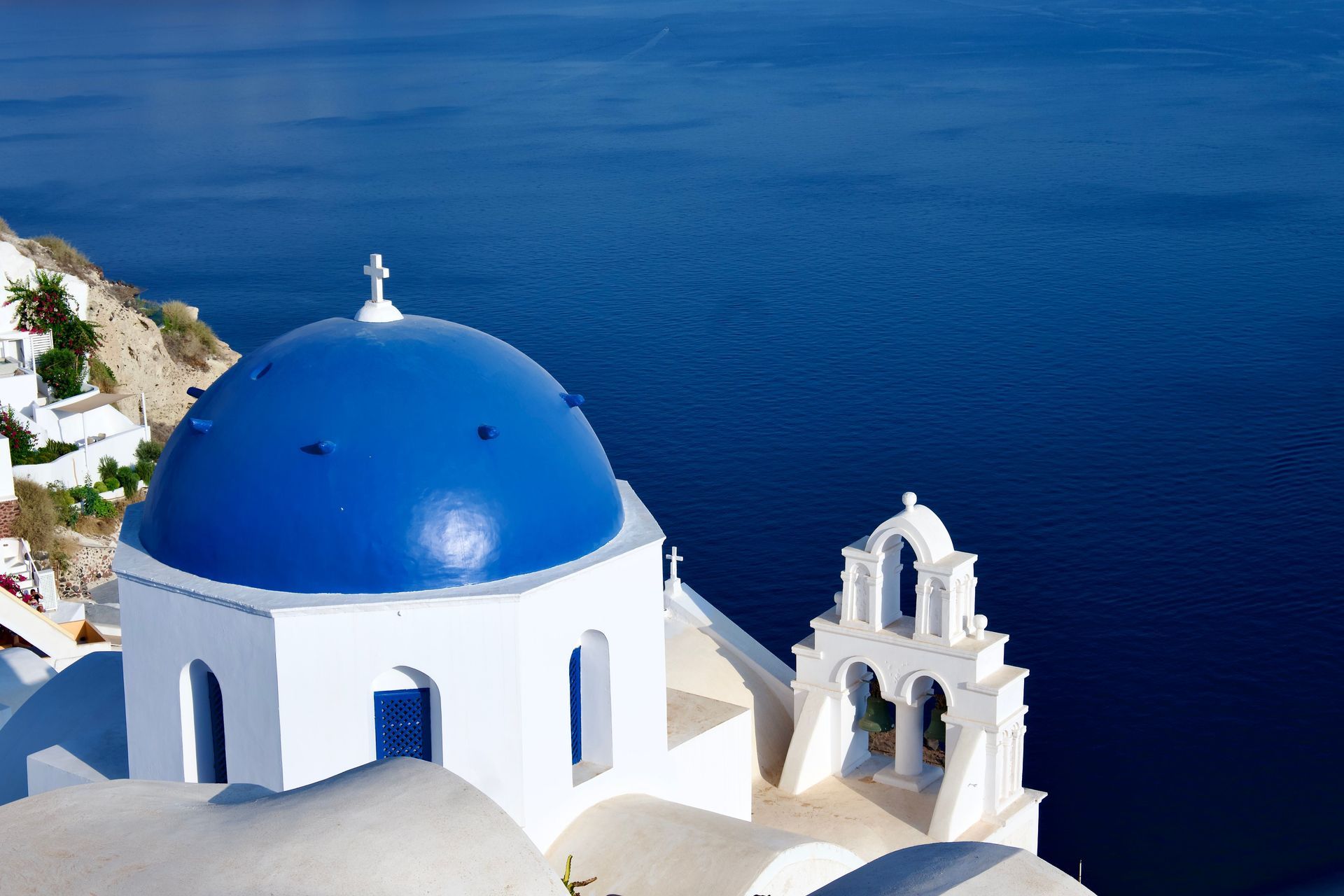
The Greek islands provide sheltered bays, clear coastal water, sailing, paddleboarding, kayaking and snorkelling. Individual islands vary considerably, with some better suited to relaxed family activities and others known for windsurfing or diving.
Croatia
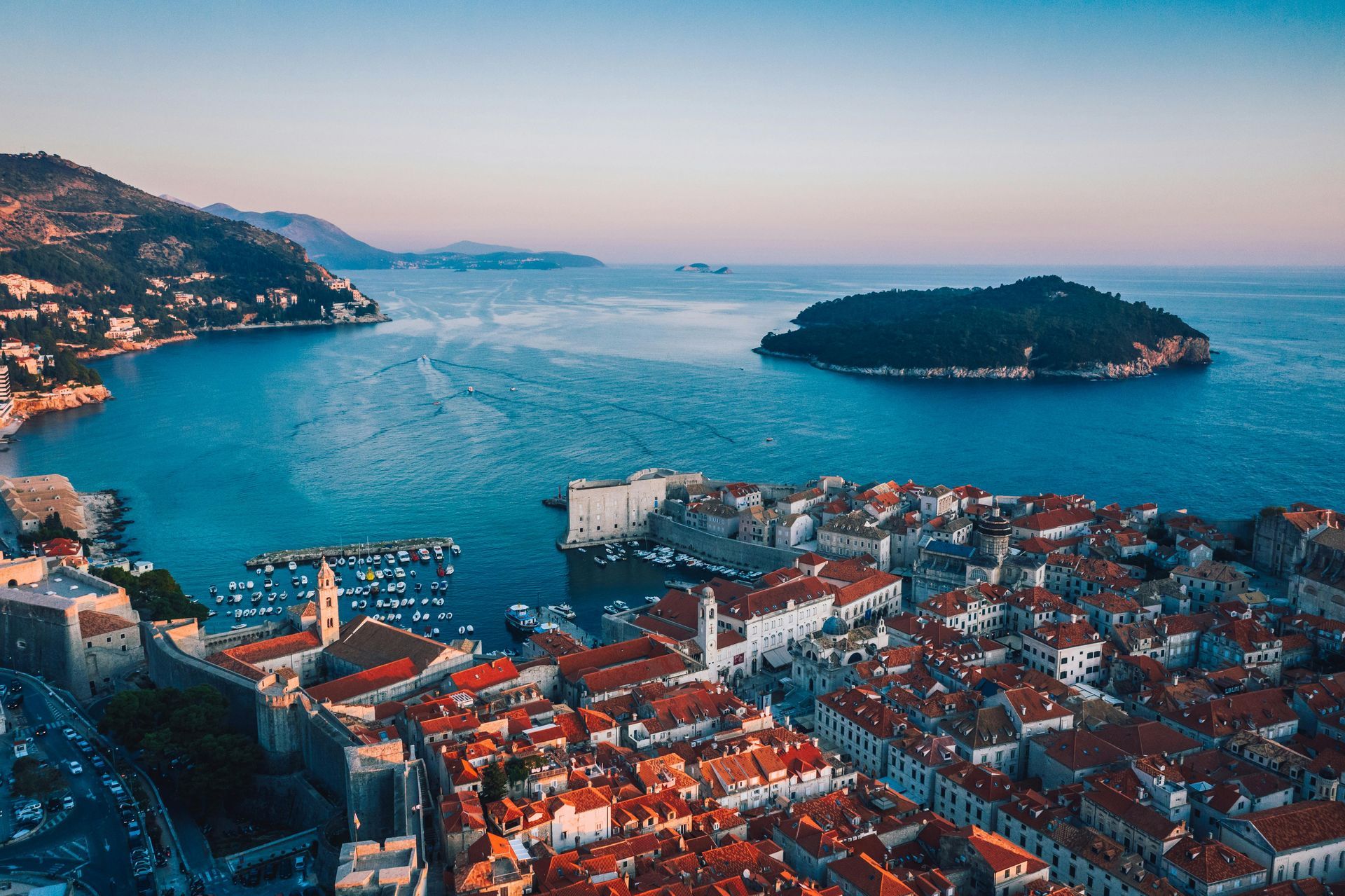
Croatia’s coastline and islands are ideal for sea kayaking, swimming, snorkelling and multi-activity holidays. Guided paddling routes can combine quiet coves, historic towns and island scenery.
Malta
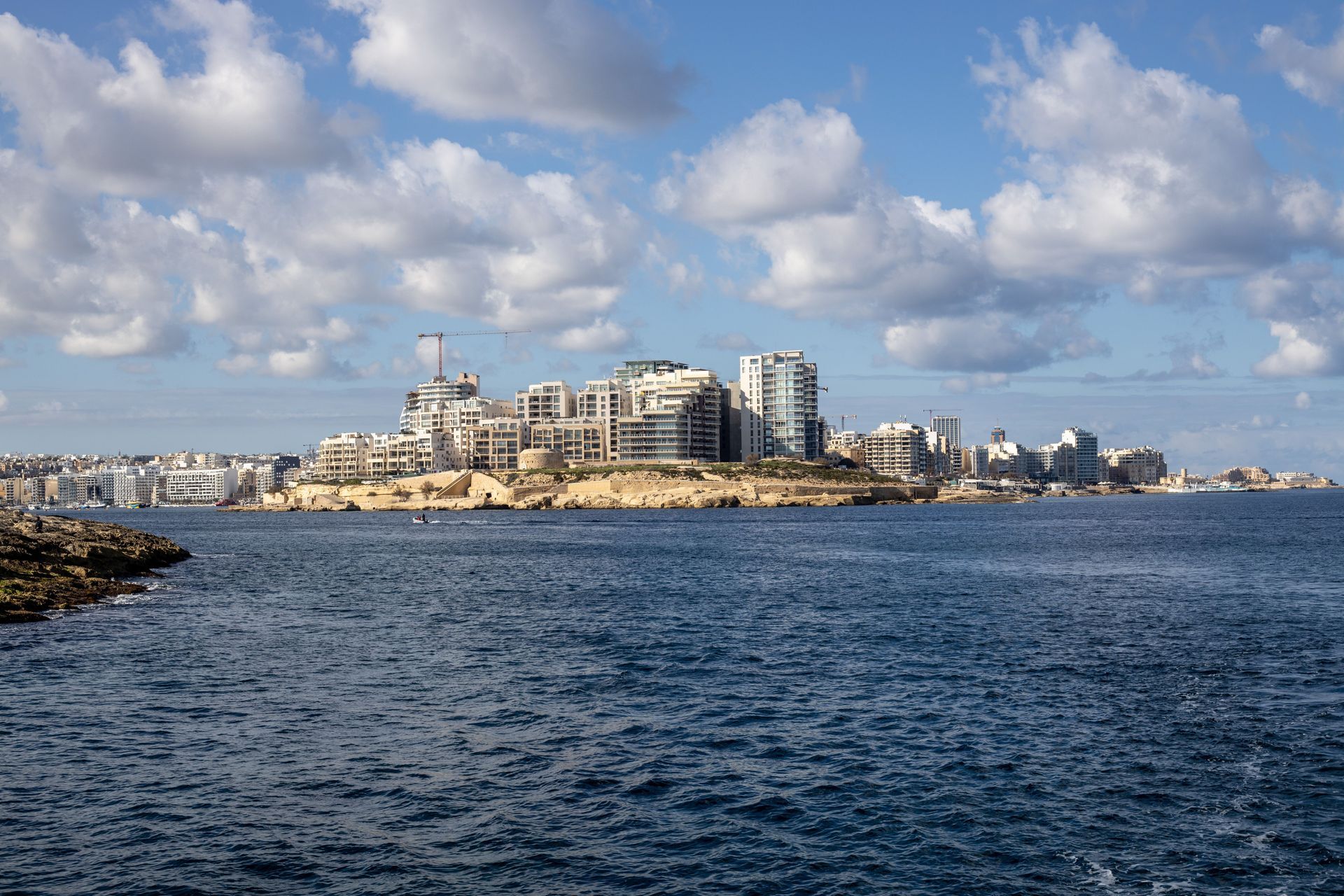
Malta offers accessible diving, wreck sites, coastal snorkelling and sea kayaking. Its compact size can work well for travellers who want to combine water activities with sightseeing.
Canary Islands
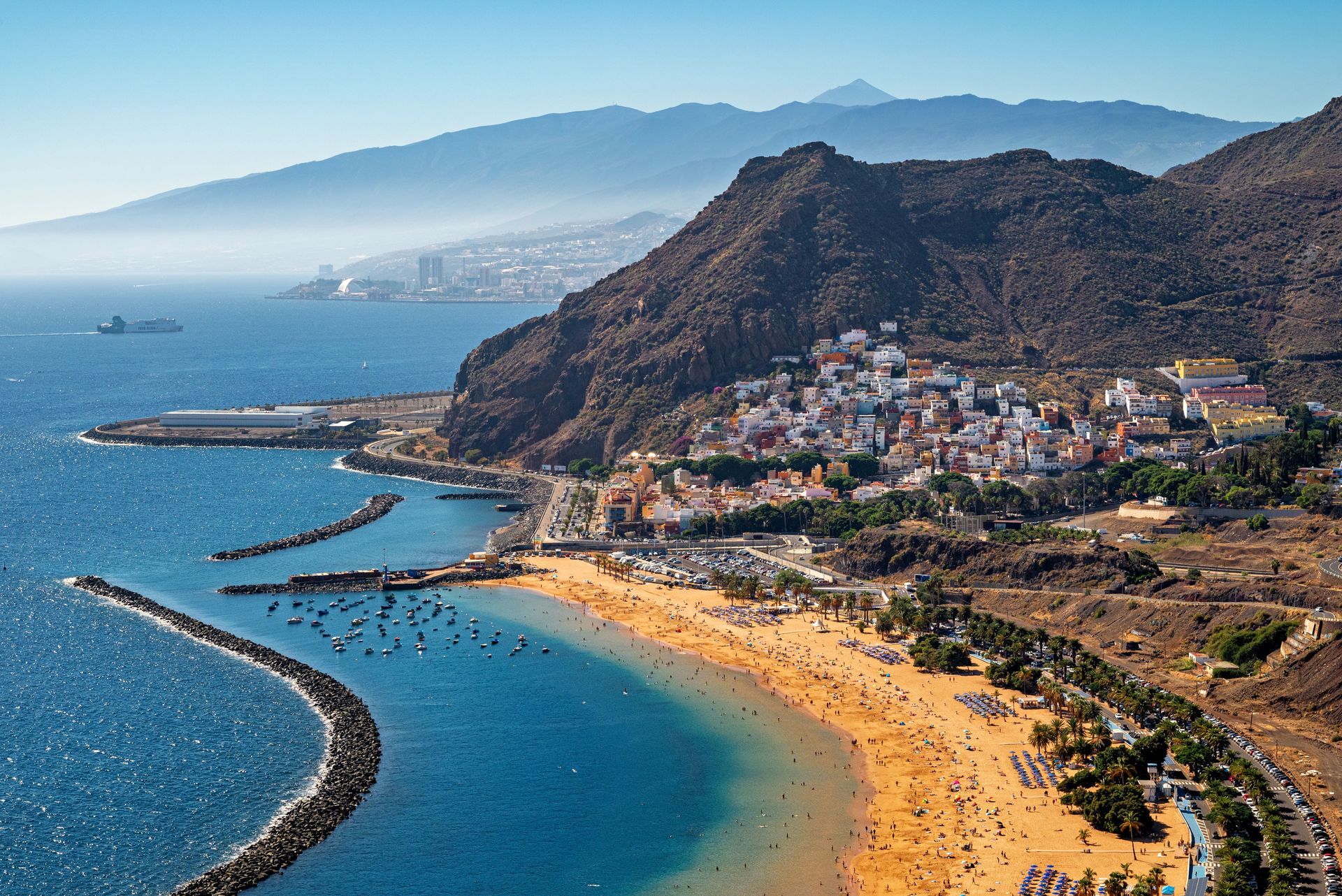
Tenerife, Lanzarote and Fuerteventura are strong options for year-round active beach holidays. Depending on the coast and season, activities can include surfing, diving, snorkelling, kayaking, windsurfing and kitesurfing.
Madeira
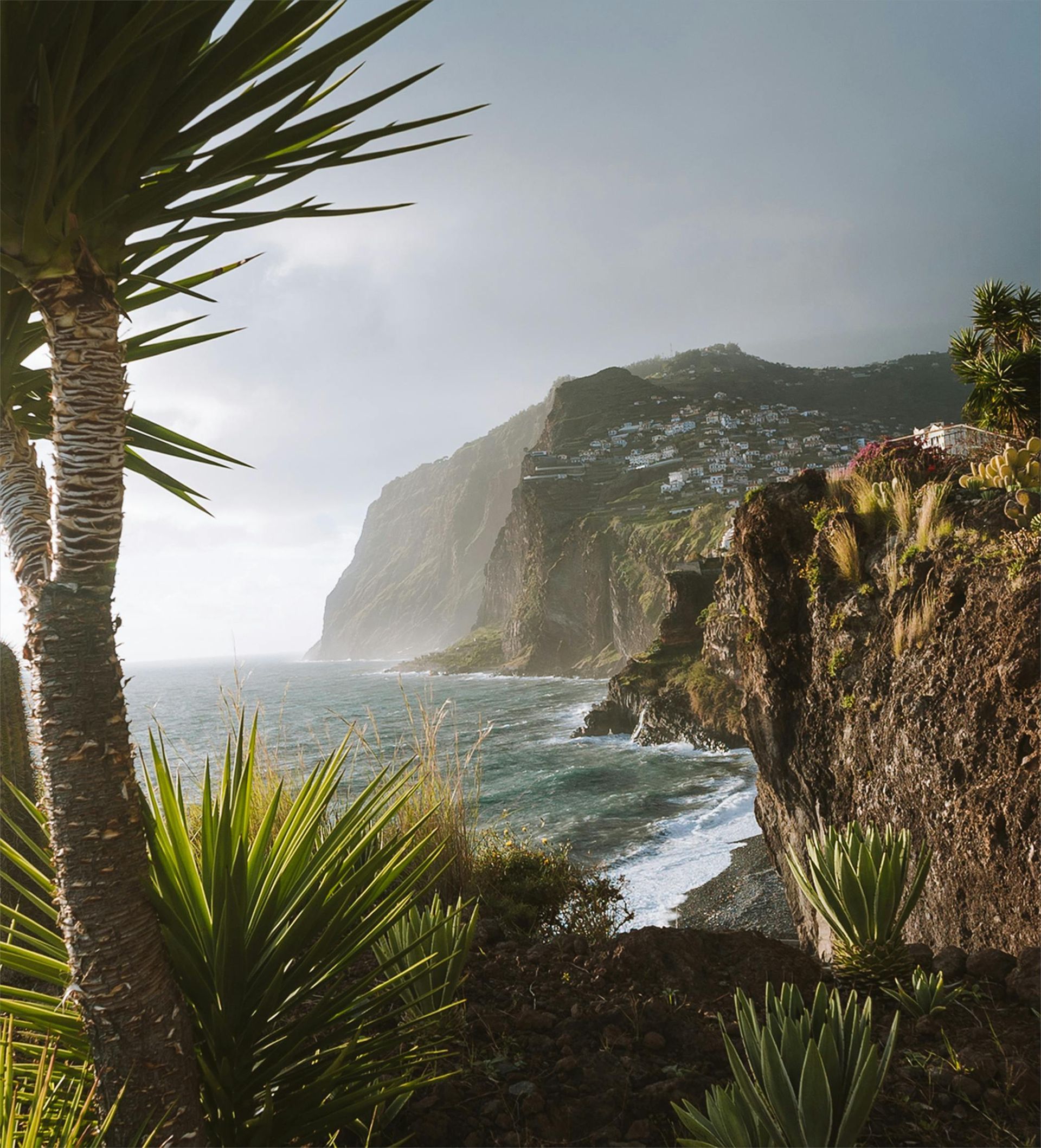
Madeira suits travellers interested in diving, coastal activities and a more active island experience. The shoreline is often rugged, so it is important to choose activity locations and operators appropriate to your ability.
Portugal

Portugal is particularly well known for surfing, but it also offers kayaking, paddleboarding and coastal boat trips. Beginners should choose a surf school operating on beaches suitable for learning rather than booking solely around a famous advanced break.
Cyprus
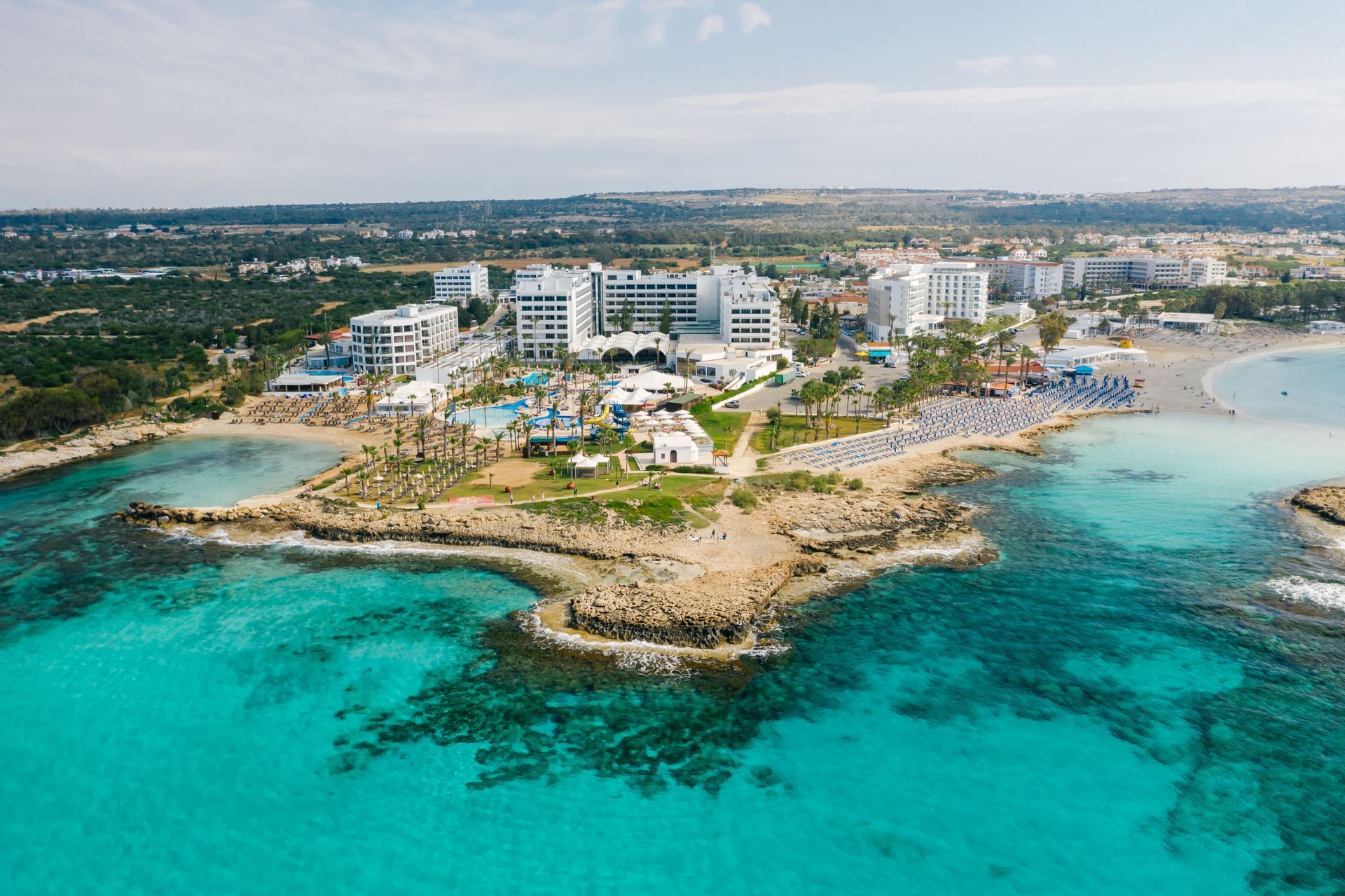
Cyprus combines warm-weather beach holidays with accessible snorkelling, diving and kayaking. It can work especially well for families and couples who want water activities without making them the sole focus of the trip.
Turkey
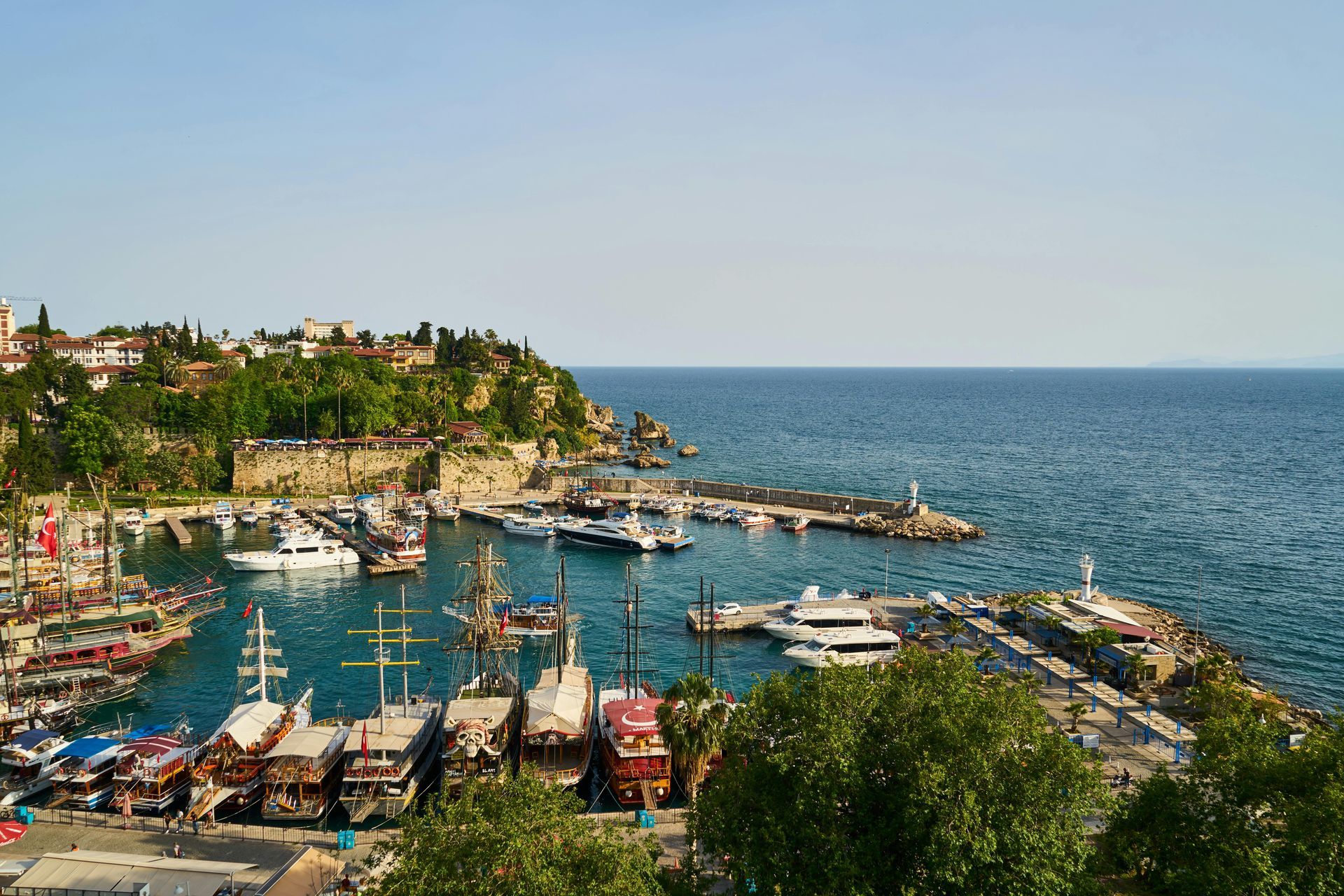
Turkey’s coastline offers kayaking, diving, snorkelling and sailing, with sheltered bays and resorts catering to mixed-ability groups. Some activity programmes are seasonal, so check what will be operating during your stay.
Best Long-Haul Water Sports Destinations
Long-haul destinations often provide warmer seas, tropical reefs and a greater choice of marine experiences.
Maldives
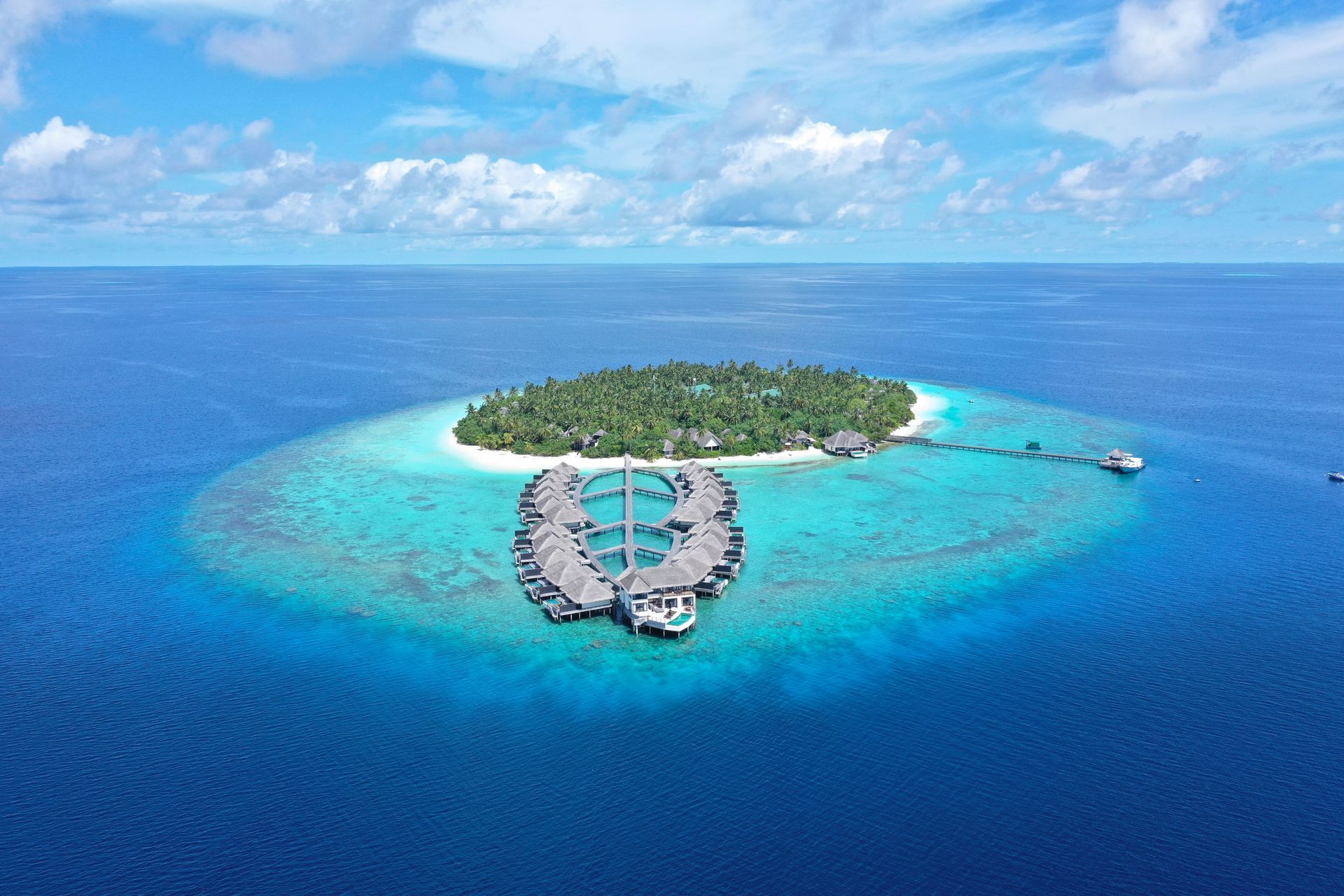
The Maldives is particularly attractive for snorkelling and scuba diving. Many islands have house reefs, dive centres and boat excursions, although reef access and current conditions differ greatly between resorts.
Some islands also offer paddleboarding, kayaking, windsurfing and motorised activities. Check whether non-motorised equipment is included and whether use is limited by time or weather conditions.
Mauritius
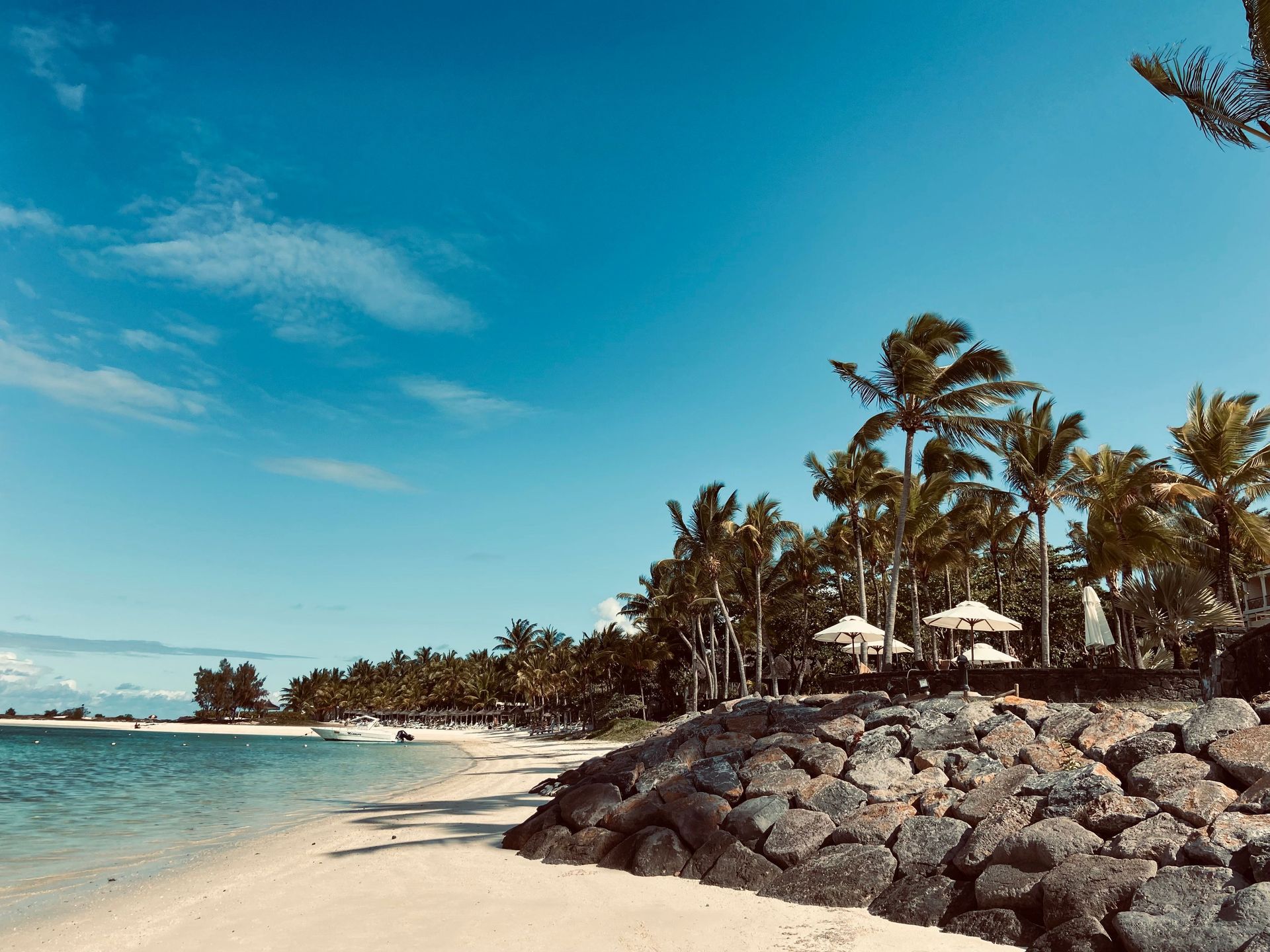
Mauritius offers lagoons, reefs and established beach resorts, making it suitable for snorkelling, diving, kayaking, paddleboarding and, in selected areas, surfing or kitesurfing.
It is a good option for couples and families who want a high-quality resort alongside an activity programme.
Seychelles
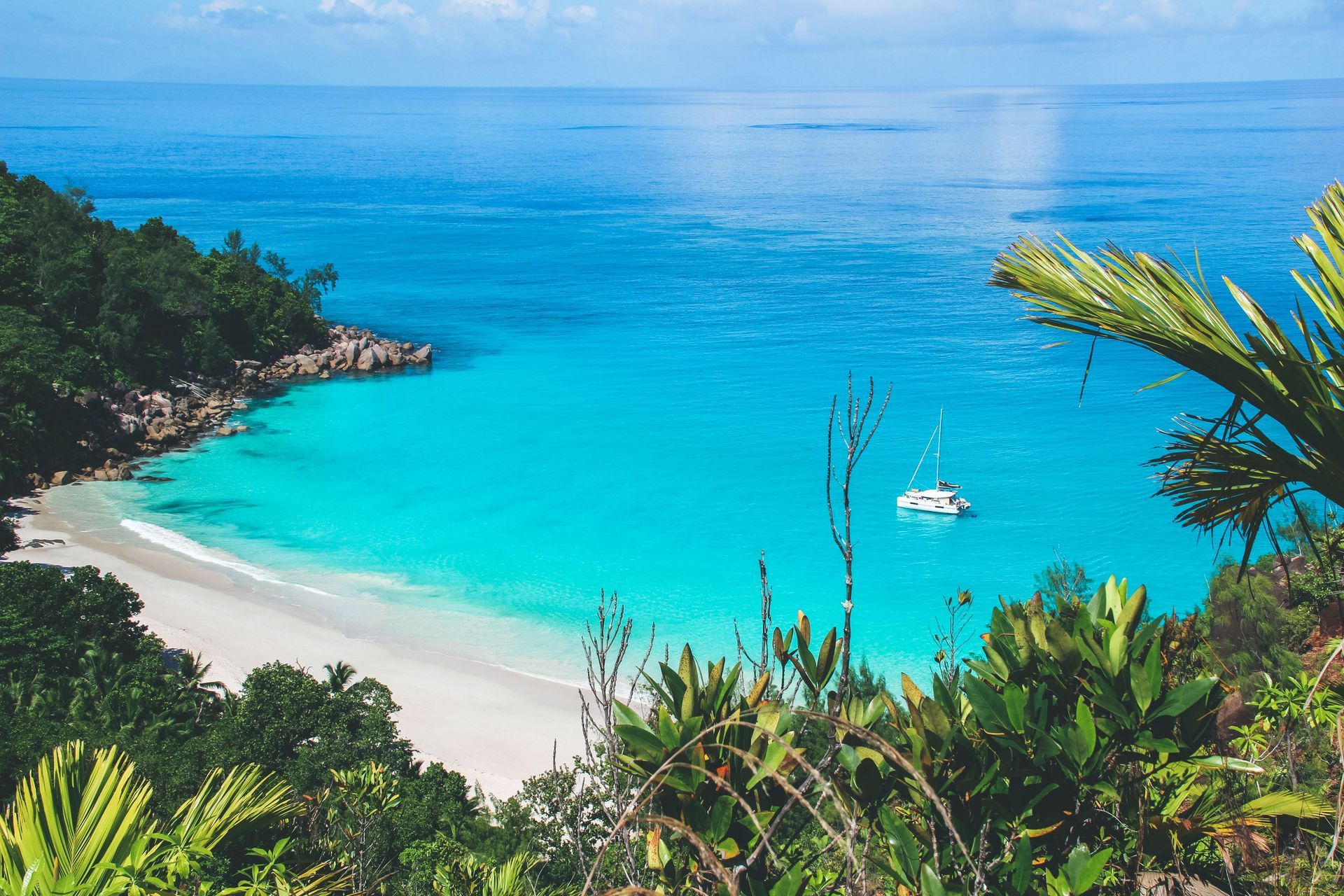
The Seychelles provides striking coastal scenery, clear water and opportunities for snorkelling, diving and kayaking. Sea conditions vary between islands and seasons, so specialist advice is useful when selecting a particular beach.
Thailand
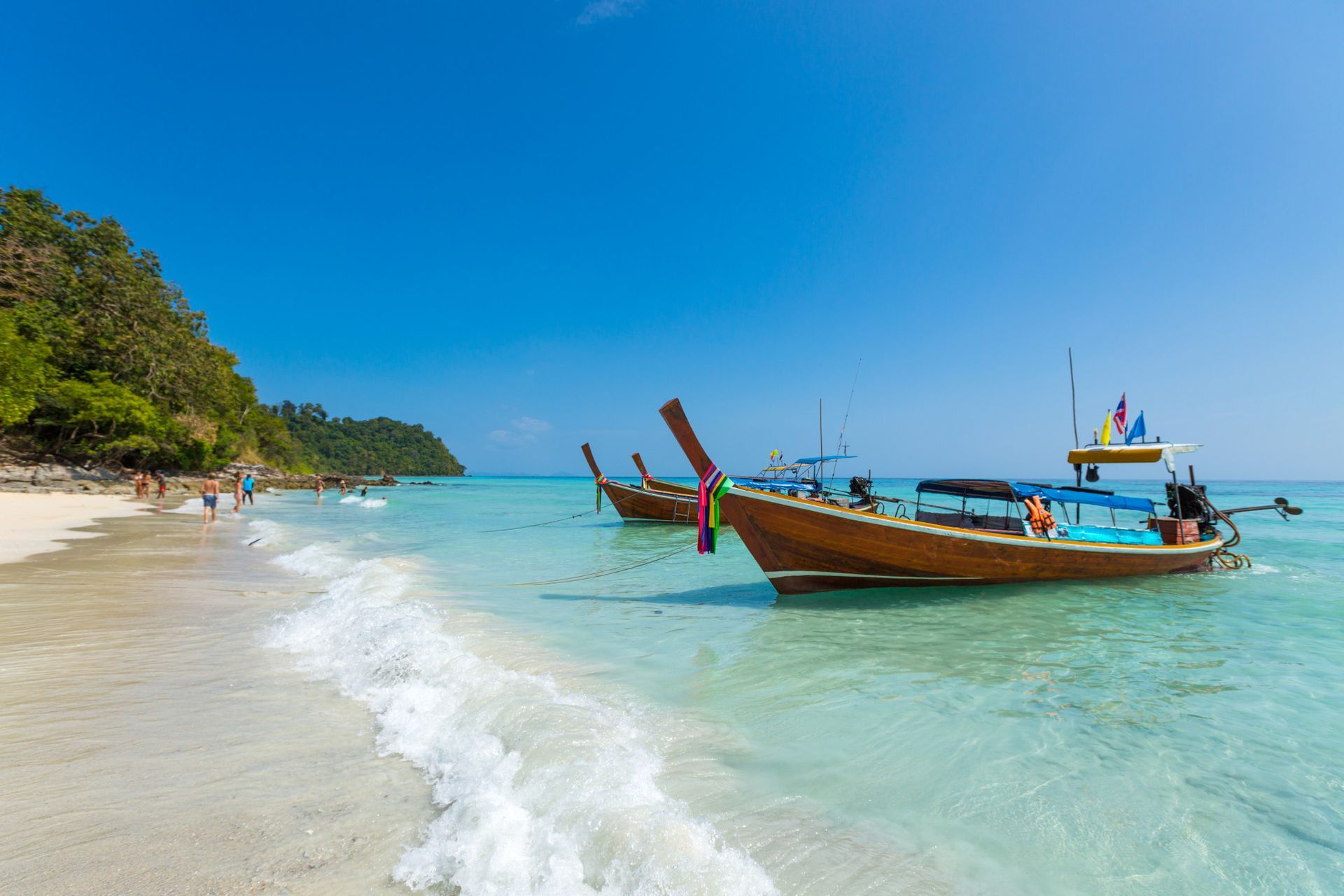
Thailand offers diving, snorkelling, sea kayaking and island excursions. The best coast depends on the time of year because weather patterns differ between regions.
Indonesia
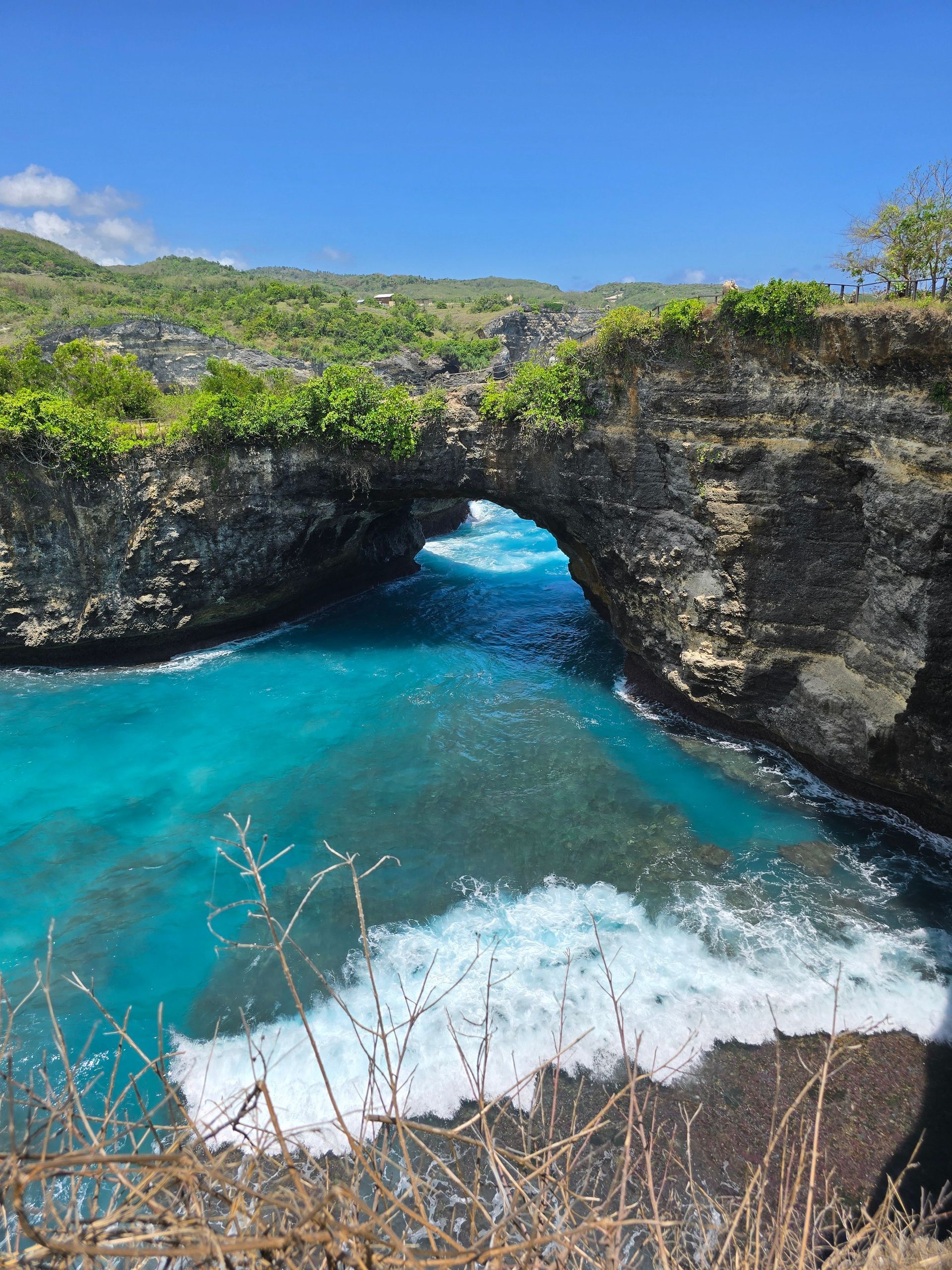
Indonesia attracts surfers and divers from around the world. Bali can combine surf schools, diving and conventional resort stays, while other islands may offer more specialist experiences.
Costa Rica
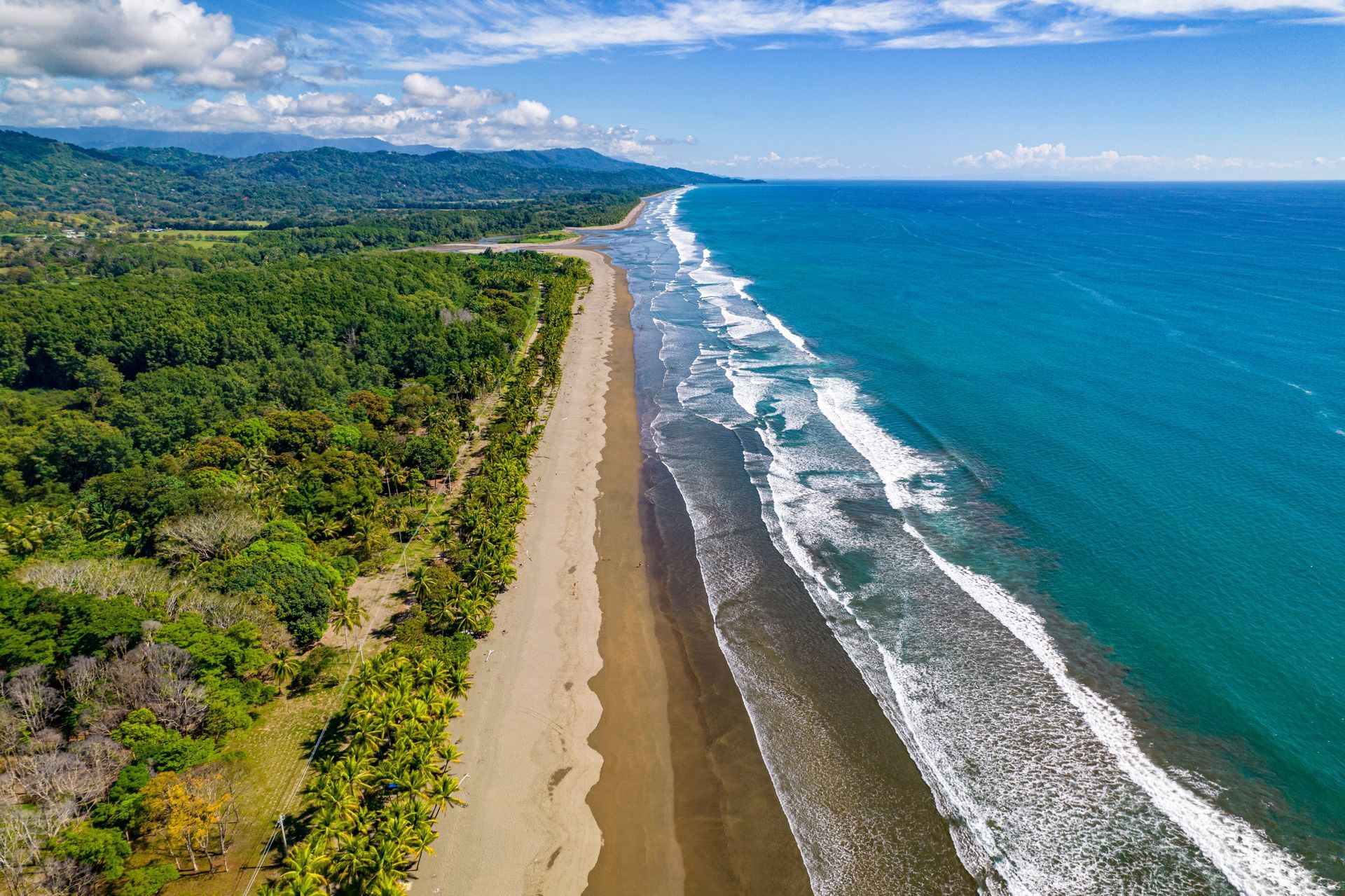
Costa Rica is excellent for active travellers who want surfing, rafting, kayaking and wildlife alongside rainforest experiences. Different coasts offer distinct weather patterns and surf conditions.
Australia
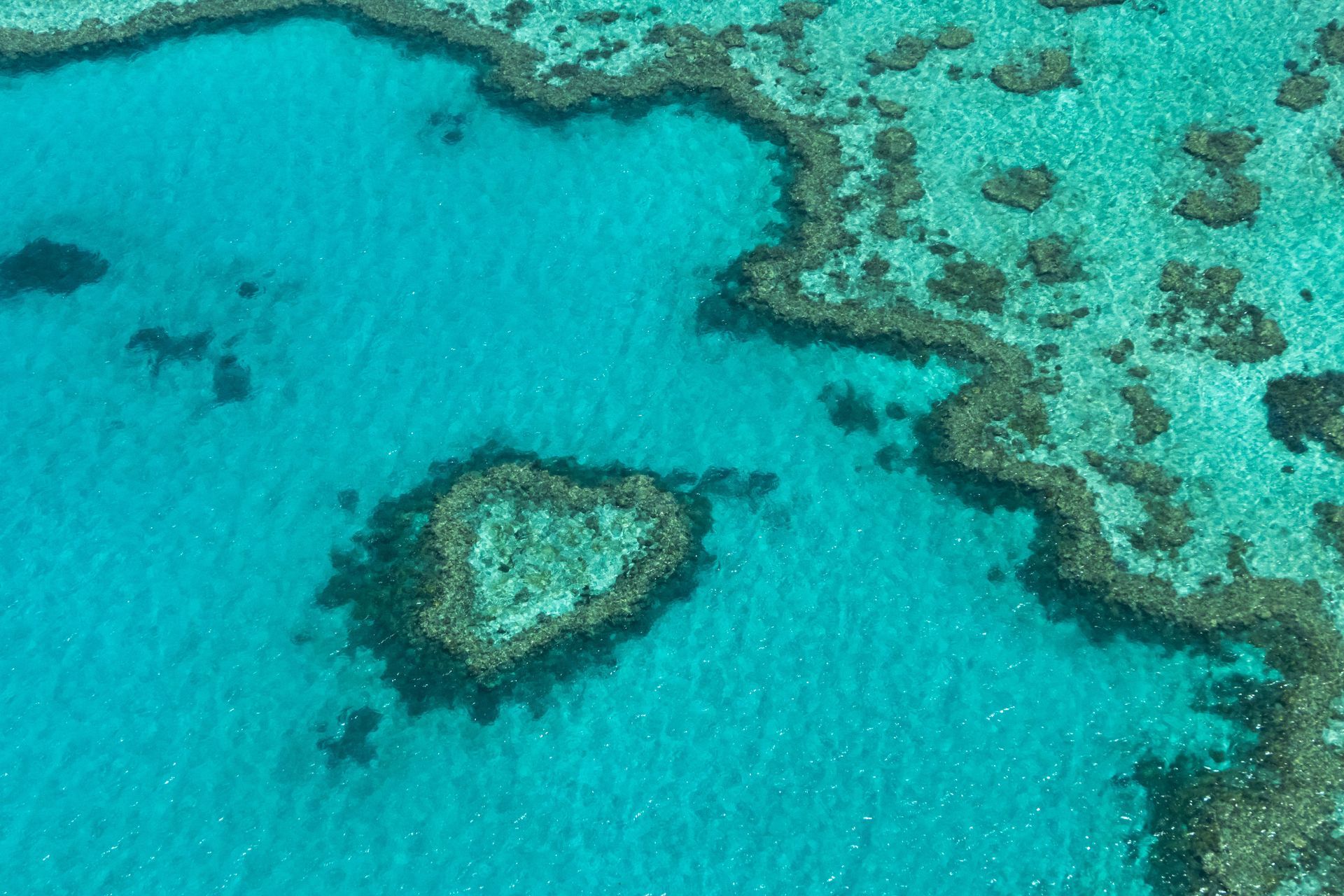
Australia provides enormous variety, from surfing and sea kayaking to reef snorkelling and diving. Distances are significant, so a carefully planned itinerary is essential.
Caribbean
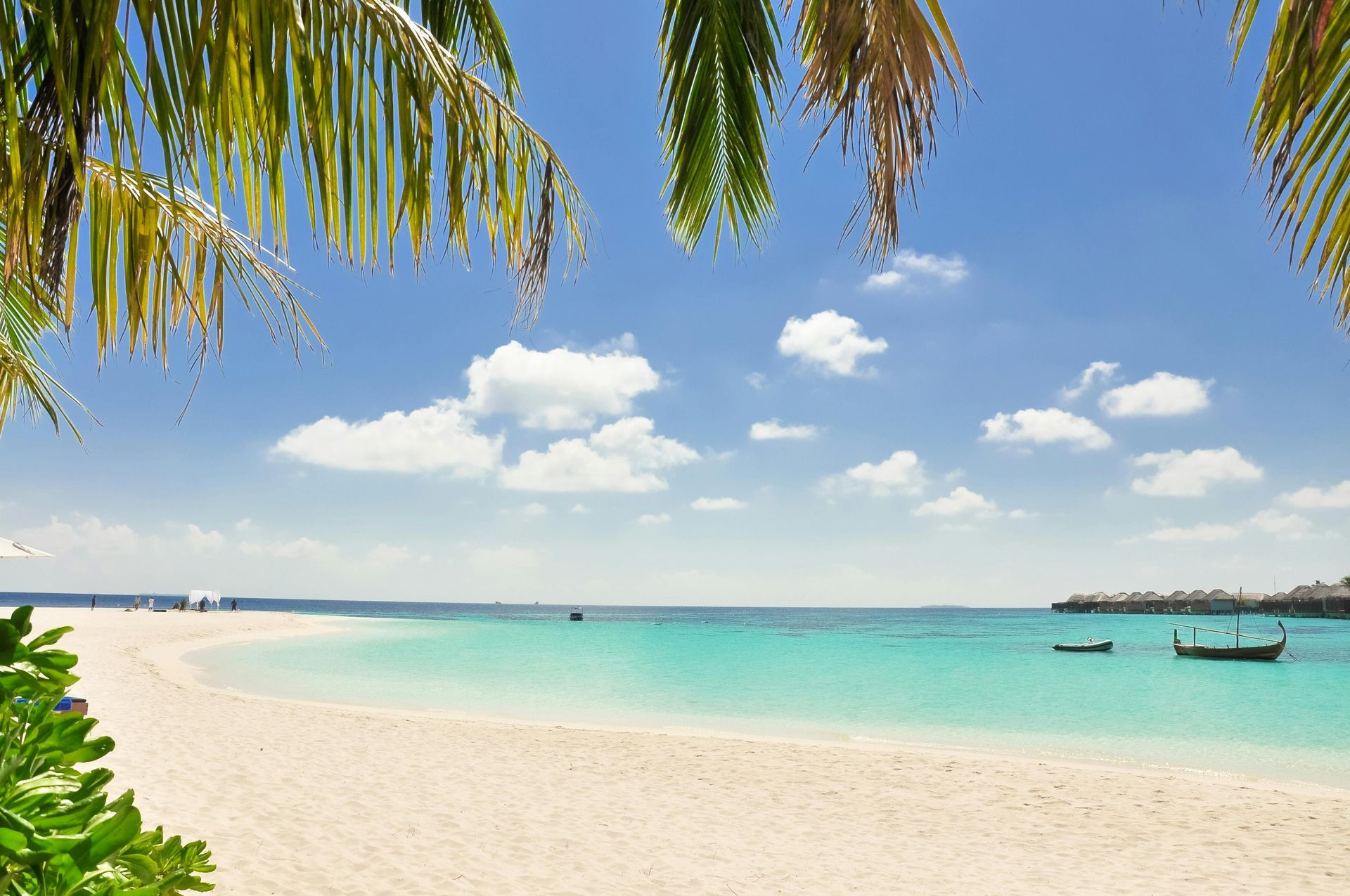
The Caribbean includes family-friendly resorts, specialist dive destinations, calm snorkelling bays and islands known for surfing or sailing. The right choice depends on the activity, season and preferred style of accommodation.
Best Destinations for Combining Several Water Sports
Travellers who want variety should look for destinations with established activity operators and different coastal environments.
The Maldives can combine snorkelling, diving, kayaking and paddleboarding, although surfing is concentrated around specific atolls and resorts.
Mauritius can provide snorkelling, diving, kayaking, sailing, paddleboarding and wind-based activities. It works well for families and couples wanting a broad resort programme.
The Canary Islands offer surfing, diving, snorkelling, kayaking, windsurfing and kitesurfing. Choosing the right coast is essential because conditions differ around each island.
Croatia is ideal for sea kayaking, snorkelling, sailing, swimming and rafting or canyoning excursions on the mainland.
Kayaking is not the only way to turn a river into the focus of an adventure holiday. Travellers interested in faster water, specialist guides and a more energetic group experience can also explore The Thrill of Whitewater Rafting in Colorado.
Costa Rica can combine surfing, rafting, kayaking and wildlife adventures.
Do not assume every activity is available directly from one hotel. Some may require transfers, advance reservations or separate operators.
Water Sports Holidays for Families, Couples and Solo Travellers
Families
Family watersports holidays work best when there is a choice of supervised activities, suitable equipment and alternatives for children who do not want to participate.
Check:
- Minimum ages.
- Swimming requirements.
- Instructor-to-participant ratios.
- Availability of child-sized equipment.
- Sheltered beginner areas.
- Kids’ clubs and pools.
- Medical and consent requirements.
Couples
Couples do not need to enjoy the same sport. A resort with diving, snorkelling, spa facilities, excursions and a good beach can accommodate different interests without either traveller compromising.
Private tuition can also help couples learn together without the pressure of a large group.
Solo Travellers
Surf camps, dive centres and guided kayaking holidays can be very sociable. Group lessons and shared excursions provide natural opportunities to meet people.
Solo travellers should check whether accommodation supplements apply and whether activities require minimum group numbers.
Mixed-Ability Groups
For mixed groups, prioritise variety over prestige. A famous dive island may disappoint non-divers, while an advanced surf area may not suit beginners.
Look for resorts offering several ability levels, professional instruction and enjoyable land-based alternatives.
Accessibility, Communication and Water Confidence
Mobility, hearing, sight, communication requirements and anxiety around open water should be discussed before an activity is booked. Some centres can provide adapted equipment, additional assistance, private instruction or extra time during safety briefings, but these arrangements should not be assumed.
Ask whether instructions can be provided visually or in writing, particularly when hearing an instructor may be difficult around waves, engines or busy beaches. Travellers who feel anxious in open water may be more comfortable beginning in a pool, lagoon or sheltered bay.
A private session can sometimes be more appropriate than a group lesson because the instructor can adapt the pace and communication style. The operator should be given enough information to assess what is safely and realistically possible without making assumptions about the traveller’s abilities.
Planning Water Sports Holidays from the UK
UK travellers can choose between short-haul beach activity holidays, long-haul tropical resorts and specialist water sports activity holidays. The right format depends on how important the activity is compared with the rest of the holiday.
Short-Haul or Long-Haul?
Short-haul destinations are often easier for a one-week break and may reduce the time and expense involved in carrying specialist equipment. Water sports holidays in Europe can combine convenient travel with surfing, snorkelling, diving and kayaking, although some resort programmes operate only during the main holiday season.
Long-haul destinations may offer tropical reefs, warmer water and more extensive dive or snorkelling programmes. However, journey time, seasonal weather patterns and the cost of reaching remote islands should form part of the decision.
Package or Independently Arranged Holiday?
A package can make accommodation, flights, transfers and financial protection easier to understand. It may also be more convenient for families or couples who want water activities alongside a conventional resort stay.
An independently arranged trip may provide greater flexibility for experienced surfers, divers or paddlers, but responsibility for coordinating operators, equipment, transfers and separate booking terms rests more heavily with the traveller.
The protection applying to any booking should be explained before confirmation. Do not assume that paying several companies separately provides the same protection as booking an eligible package.
Sports Equipment and Airline Baggage
Surfboards, diving equipment and paddling equipment may be subject to separate airline charges, weight limits and advance-registration requirements. These conditions vary between airlines and can change, so check the current rules before booking flights.
Hiring equipment locally is often easier for beginner water sports holidays. More experienced participants may still prefer to carry personal masks, regulators, wetsuits or boards, provided the extra baggage cost is worthwhile.
School Holidays and Advance Reservations
Family watersports holidays are particularly popular during school breaks. Hotel availability may not be the only limitation: instructors, dive boats, surf lessons and child-sized equipment can also become fully booked.
Reserve any essential tuition or excursions before departure. This is especially important when the activity is the main reason for choosing the destination.
Resort Style and Budget
All-inclusive water sports holidays can provide predictable meal and accommodation costs, but specialist activities may still be charged separately. Luxury water sports holidays may offer private tuition, higher-quality equipment and personalised excursions, although the activity programme should still be checked carefully.
Whether choosing simple beach accommodation or luxury water sports resorts, prioritise the quality of the operator and the suitability of the conditions over the number of activities shown in the hotel description.
What Is Included and What Costs Extra?
“Watersports included” is one of the most misunderstood phrases in holiday descriptions.
It may mean:
- Free use of kayaks or paddleboards for a limited period.
- Group tuition at scheduled times.
- Equipment hire without instruction.
- Selected non-motorised activities.
- One introductory session.
- Activities available only when staffing and conditions allow.
Common additional costs include:
- Scuba diving courses and boat dives.
- Guided snorkelling trips.
- Private lessons.
- Surf transfers.
- Motorised water sports.
- Marine-park fees.
- Specialist equipment.
- Certification materials.
- Wetsuit or board upgrades.
- Sports-equipment airline baggage.
- Transfers to activity centres.
Ask for written confirmation of what is included. Check whether lessons need to be reserved and whether equipment use is unlimited or subject to daily schedules.
Enjoying Water Sports Responsibly
Responsible behaviour applies to every water activity, not only snorkelling around coral reefs.
Choose operators that provide clear environmental guidance and respect protected areas, wildlife distances and restrictions on where equipment can be used. Never chase, touch or feed marine animals for a photograph or closer encounter.
Divers and snorkellers should maintain control of their fins and equipment to avoid striking reefs or disturbing the seabed. Kayakers should use recognised launch and landing areas where possible and avoid approaching nesting or resting wildlife. Surfers should follow local access rules, dispose of damaged equipment responsibly and respect other water users.
Motorised activities can create additional noise, fuel use and disturbance. Travellers who prefer a quieter experience may wish to prioritise paddling, sailing, snorkelling and other non-motorised options.
Follow marine-park rules, take reusable water containers where practical and leave beaches, rivers and launch points as you found them. A reputable operator should be willing to explain how it protects the environment in which it works.
When Is the Best Time to Book Water Sports Holidays?
There is no single best month for every water activity.
Snorkelling and diving depend on visibility, water temperature, currents and rainfall. Surfing requires suitable swell and wind, while kayaking is often most enjoyable in calmer conditions.
Consider:
- Seasonal rainfall.
- Water visibility.
- Sea temperature.
- Wind direction.
- Wave size.
- Tides and currents.
- Wildlife seasons.
- Marine-park access.
- Operator opening periods.
- School-holiday demand.
A destination can be excellent for surfing at the same time that exposed sea conditions make beginner kayaking difficult.
Book specialist lessons and diving packages early during peak travel periods. Equipment, instructors and boat spaces may be limited even when hotel rooms remain available.
Safety, Qualifications and Travel Insurance
Water activities involve changing natural conditions, so professional guidance matters.
Choose reputable operators that provide:
- Qualified instructors.
- Clear safety briefings.
- Appropriate equipment.
- Realistic ability assessments.
- Weather and water-condition monitoring.
- Emergency procedures.
- Suitable group sizes.
Scuba divers should check certification and medical requirements with the dive centre. Surfers and kayakers should follow local advice about currents, tides and weather.
Travel insurance must cover the exact activities planned. Check:
- Depth limits for diving.
- Whether supervision is required.
- Kayaking distance from shore.
- Whitewater grades.
- Surfing exclusions.
- Equipment cover.
- Search-and-rescue costs.
- Personal accident cover.
- Whether activities are recreational or competitive.
Never assume an activity is covered simply because it is organised by the hotel.
How to Choose and Book Your Water Sports Holiday
Use this decision-making checklist:
- Choose the activity that matters most.
- Be honest about experience, fitness and swimming confidence.
- Match the activity to the right conditions and season.
- Check minimum ages and qualification requirements.
- Confirm whether tuition is suitable for beginners.
- Ask exactly what equipment is included.
- Compare guided excursions with independent hire.
- Check specialist travel insurance.
- Consider what non-participating travellers will do.
- Confirm whether activities operate directly from the resort.
- Check extra charges and advance-booking requirements.
- Choose a financially protected holiday arrangement.
A tailor-made holiday can be especially valuable when the group has different interests. Jamie Wake Travel can compare resorts, activity centres and destinations before helping you create a trip that works for everyone.
Jamie Says:
“One of the biggest mistakes I see is choosing a hotel because it says “watersports available” without checking what that actually means. It could describe anything from two kayaks on the beach to a specialist centre with qualified instructors, scheduled lessons and professional equipment.
I would always check which activities operate directly from the resort, whether they are included, how far in advance they need to be booked and whether the local conditions suit the traveller’s experience. The best-known destination is not automatically the best choice - the right operator, beach and time of year often matter more.”

Frequently Asked Questions: Water Sports Holidays
What is the best destination for water sports holidays?
The best destination depends on the activities you want to try. The Maldives is particularly strong for snorkelling and scuba diving, while Portugal and the Canary Islands offer excellent surfing opportunities. Croatia is attractive for sea kayaking, swimming and island exploration, and Mauritius provides a varied resort-based programme that may include snorkelling, diving, kayaking and paddleboarding. Rather than choosing a destination from a general “best” list, consider your ability, preferred season, budget and whether everyone in the group wants to participate. The individual coast, hotel and activity operator can matter more than the country itself.
Which water sport is easiest for beginners?
Snorkelling and sheltered-water kayaking are usually among the easiest activities for complete beginners. Snorkelling requires relatively little equipment and can be enjoyed in shallow, calm water, although basic swimming confidence is helpful. Sit-on-top kayaking in a protected bay or lagoon is also accessible when suitable buoyancy aids and guidance are provided. Surfing has a steeper physical learning curve, while scuba diving requires formal instruction and careful safety procedures. Whichever activity you choose, a professionally supervised introductory session is worthwhile because conditions, equipment and techniques can be unfamiliar even to confident swimmers.
What is the difference between snorkelling and scuba diving?
Snorkelling takes place mainly at the surface using a mask, snorkel and fins. It allows you to observe reefs and marine life while breathing through the snorkel. Scuba diving uses an underwater breathing system, allowing participants to descend and remain below the surface for longer. Recreational diving involves specialist equipment, training and safety procedures. Snorkelling is generally easier to add to a conventional beach holiday, while diving may require courses, certification or supervised introductory sessions. Both can provide memorable marine encounters, but they differ significantly in cost, preparation, equipment and the level of water confidence required.
Do you need to be a strong swimmer for water sports?
Requirements vary by activity and operator. You do not always need to be an advanced swimmer for guided snorkelling or sheltered kayaking, particularly when buoyancy aids are used, but you should feel reasonably comfortable in water. Scuba diving centres commonly assess water confidence as part of training, while surfing requires confidence in moving water and the ability to follow safety instructions after falling from the board. Conditions can feel very different from a swimming pool. Tell the instructor honestly about your ability and any concerns so that they can recommend appropriate equipment, supervision and locations.
Are water sports holidays suitable for children?
Many water sports holidays are suitable for families, but age limits, swimming requirements and supervision rules vary. Younger children may enjoy shallow-water snorkelling, tandem kayaking or supervised paddleboarding, while scuba diving and surfing programmes often have specific minimum ages and ability requirements. Check whether child-sized equipment and buoyancy aids are available and whether instruction takes place in a sheltered beginner area. Families should also choose accommodation with pools, kids’ clubs and land-based activities, as children may not want to participate every day. Always confirm the operator’s rules before booking rather than assuming a hotel’s general family-friendly description includes every activity.
Are water sports included at all-inclusive resorts?
Some all-inclusive resorts include selected non-motorised activities such as kayaking, paddleboarding or basic snorkelling equipment, but the definition of “included” varies. Use may be limited to scheduled times, short sessions or guests who already have the required experience. Scuba diving, boat snorkelling trips, private lessons and motorised activities are commonly charged separately. Certain resorts include introductory group tuition but charge for further lessons. Ask for an itemised list showing which activities, equipment and instruction are included. It is also worth checking whether advance reservations are necessary, particularly during school holidays and other busy periods.
Do I need specialist travel insurance for water sports?
You may need specialist cover or an upgraded policy, depending on the activities planned. Standard travel insurance can exclude scuba diving beyond a stated depth, unsupervised kayaking, higher-grade whitewater rafting, competitive events or surfing in certain conditions. Check the activity wording, equipment cover and search-and-rescue provisions before travelling. Diving policies may also specify certification and supervision requirements. Do not assume you are covered because the activity is arranged through a hotel or included in the package. Provide the insurer with accurate information about the activities and keep evidence of any qualifications required by the policy.
Can I combine snorkelling, diving, surfing and kayaking in one holiday?
It is possible, but finding all four activities in one convenient location requires careful planning. Destinations such as the Canary Islands, Mauritius, Indonesia and selected parts of Costa Rica may provide a broad range of water activities, although they may operate from different beaches or centres. The best diving area may not have beginner-friendly surf, and calm snorkelling lagoons may be some distance from exposed surfing beaches. A multi-centre itinerary can work better than forcing every activity into one resort. Prioritise the two activities that matter most, then treat the others as optional additions when suitable conditions and operators are available.
When is the best time for a water sports holiday in Europe?
The best time depends on the destination and activity. Summer generally provides warmer water and more predictable beach-resort operations across Greece, Croatia, Cyprus and the Mediterranean, making it popular for snorkelling and relaxed kayaking. Surfing conditions may be better outside peak summer in parts of Portugal and the Canary Islands, although beginners often benefit from smaller, more manageable waves. Wind-based activities also follow local seasonal patterns. Check water temperature, rainfall, wind, swell and operator opening dates rather than relying only on average air temperature. School-holiday demand can reduce lesson and equipment availability, so reserve specialist activities early.
Should I bring my own equipment or hire it locally?
Beginners and occasional participants will usually find local hire more convenient. Reputable activity centres should provide suitable boards, kayaks, masks, fins, wetsuits, buoyancy aids and diving equipment. Hiring avoids airline sports-baggage charges and allows instructors to select equipment suited to the conditions and your ability. Experienced divers, surfers or paddlers may prefer familiar personal equipment, particularly masks, wetsuits or specialist boards. Before travelling, compare airline fees with local hire costs and confirm equipment quality and availability. Small personal items can be worth bringing, but carrying large equipment is not always necessary for a resort-based holiday.
Find the Right Water Sports Holiday
The best water sports holidays are not chosen by selecting the longest activity list. They are created by matching the traveller’s confidence, ability and interests with the right destination, season, resort and instructor.
Whether you want an easy house reef, a professionally run dive centre, beginner surf lessons or guided kayaking through remote scenery, the details matter. Check what is included, understand the conditions and make sure the rest of the holiday works for everyone travelling.
The booking arrangement matters as much as the activity programme. Before confirming, make sure you understand who is responsible for each part of the trip, what happens if an activity is cancelled and what financial protection applies. Jamie Wake Travel will explain the protection attached to the proposed booking before you commit.
Jamie Wake Travel is a member of Protected Trust Services and holds ATOL number 12759. The exact financial protection applying to your holiday will depend on how it is arranged and will be clearly explained before you book. Where applicable, tailor-made packages may also include Supplier Failure Insurance and Scheduled Airline Failure Insurance.
Jamie Wake Travel can help you compare destinations and create a personalised, financially protected holiday built around the water adventures you genuinely want to experience.
Written by Jamie Wake Travel
Expert, personalised holiday planning for UK travellers.
Last reviewed: July 2026