Culture Holidays in Mexico: Food, Heritage and Ancient Sites
Culture Holidays in Mexico: Food, Heritage and Ancient Sites
Written by Jamie Wake and reviewed using current UK government travel guidance and official Mexican heritage sources. Last reviewed: July 1015
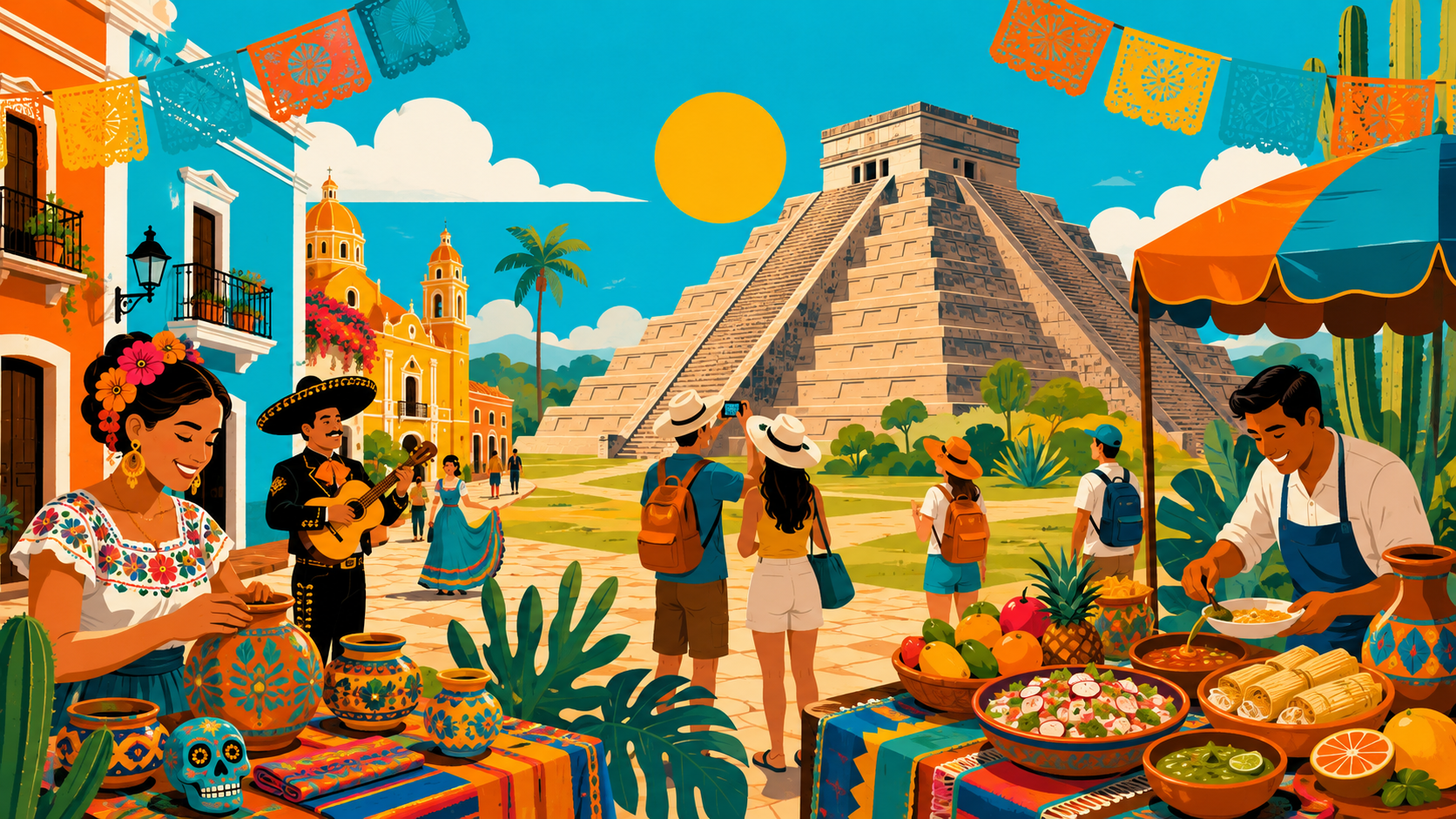
Culture holidays in Mexico reveal a country far richer than the familiar picture of Caribbean beaches and all-inclusive resorts. Ancient cities, living Indigenous traditions, regional food, colonial architecture and contemporary art can all form part of the same journey through Mexican heritage.
Mexico’s heritage lives not only in museums and archaeological sites, but also in markets, recipes, textiles, music, workshops and languages spoken today. UNESCO recognises both an extensive collection of Mexican World Heritage properties and living traditions including traditional Mexican cuisine and mariachi.
The phrase Mexico cultural holidays can cover many different journeys, but the best itineraries connect two or three complementary regions rather than racing across an enormous country. Our Mexico holidays can combine culture, food and ancient sites with carefully chosen hotels, knowledgeable guides and, where desired, several restful days beside the sea.
What to Expect from a Culture Holiday in Mexico
Archaeology is only one layer. Mexico City brings together Mexica - often called Aztec - heritage, Spanish colonial history, muralism and modern culture. Oaxaca adds Zapotec and Mixtec history, celebrated cuisine, mezcal, textiles and artisan villages. Yucatán introduces monumental Maya architecture, colonial Mérida and distinctive regional cooking.
It helps to distinguish between Mexico’s civilisations rather than describing every ancient site as “Mayan”. The Maya world spans south-eastern Mexico and neighbouring countries. Teotihuacán was an earlier, separate civilisation, Monte Albán became a major Zapotec centre, and the Mexica built Tenochtitlan beneath modern Mexico City.
Mexico’s many UNESCO World Heritage sites reflect this range of civilisations, landscapes and historic influences.
Well-planned Mexico culture and history holidays also make room for market tours, neighbourhood walks, cooking classes, workshops and music. This is the value behind Learning About Local Culture: Why it matters and How Travel Can Teach You About Other Cultures: places become more memorable when understood through the people sustaining their traditions today.
Best Places for Culture Holidays in Mexico
Use your main interest—food, archaeology, art, living heritage or a beach extension—to shape the route.
| Destination | Best for | Cultural highlight | Food highlight | Suggested stay |
|---|---|---|---|---|
| Mexico City | First-time visitors and museums | Mexica foundations, muralism and Teotihuacán | Street food and market tastings | 4–5 nights |
| Oaxaca | Food, crafts and living heritage | Monte Albán, Zapotec culture and textiles | Mole, tlayudas, cacao and mezcal | 4–5 nights |
| Mérida and Yucatán | Maya sites with comfortable touring | Chichén Itzá, Uxmal and colonial towns | Cochinita pibil and sopa de lima | 4–6 nights |
| Chiapas | Jungle archaeology and highland culture | Palenque and San Cristóbal | Tamales and cacao | 4–6 nights |
| Puebla | Architecture and food history | Historic centre and Talavera ceramics | Mole poblano | 2–3 nights |
| Guanajuato | Colourful colonial atmosphere | Mining heritage and theatres | Bajío cooking | 2–3 nights |
| Guadalajara | Music and agave culture | Mariachi, murals and tequila heritage | Birria | 3–4 nights |
Mexico’s official tourism platform itself groups destinations by arts and culture, food, the Maya world, music, community tourism and beaches - showing how naturally these experiences can be combined.
How to Choose the Right Cultural Region
Choose Mexico City if you want the broadest introduction to Mexican heritage, with major museums, archaeology, art and food in one place. Choose Oaxaca if regional cuisine, crafts and living Indigenous traditions matter most. Yucatán is ideal when ancient Maya cities need to be combined with comfortable hotels and a beach stay, while Chiapas suits travellers who value jungle archaeology and community-led cultural experiences and are prepared for more complex logistics.
Puebla, Guanajuato and Guadalajara work best as additions rather than replacements for the main cultural regions. For a first visit of two weeks or less, select two principal regions and explore them properly instead of attempting to cross the whole country.
Mexico City: Ancient Foundations and Modern Creative Culture
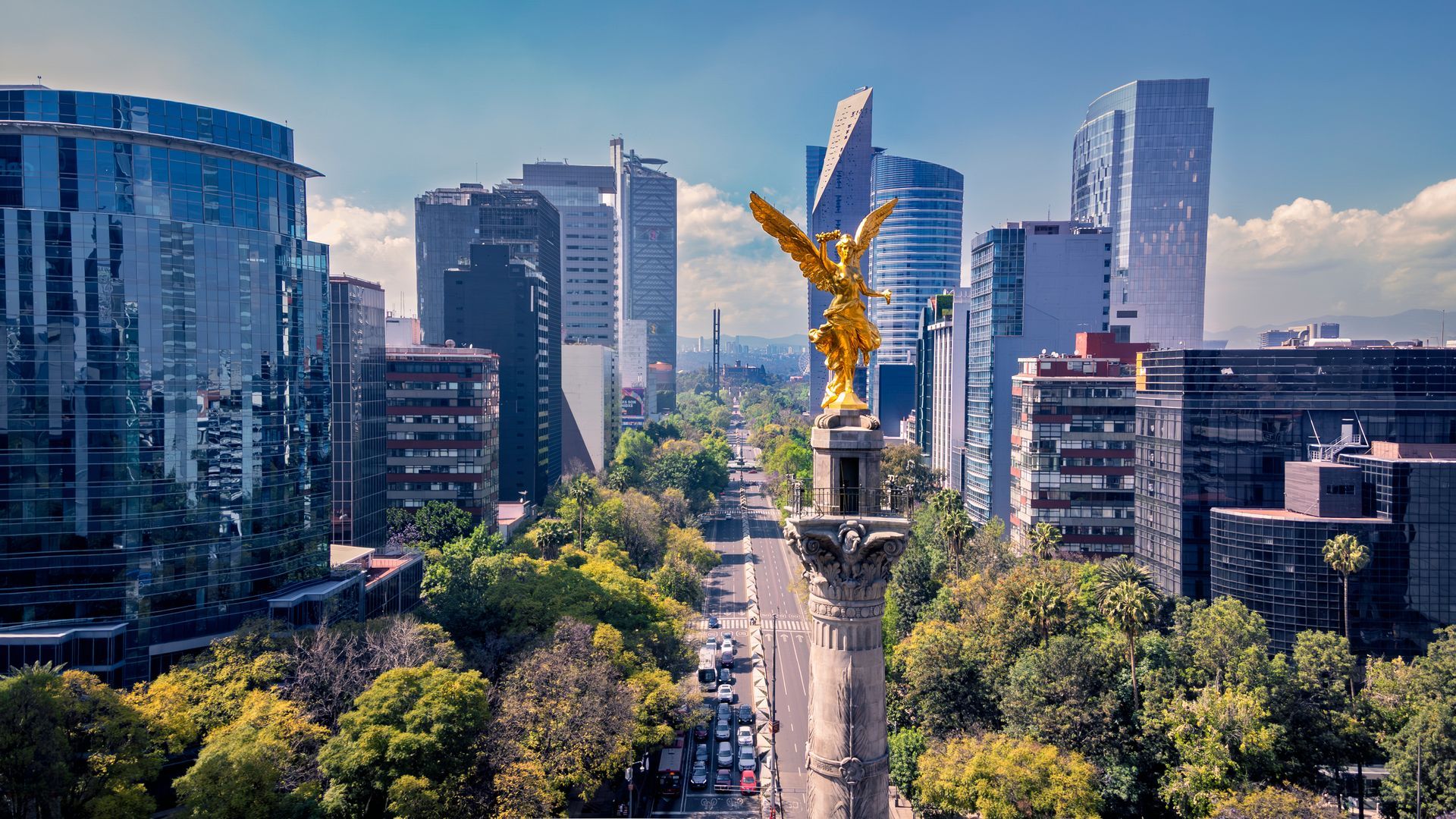
Among the most rewarding Mexico City cultural attractions are places where several historical layers can be connected in one day. Around the Zócalo, Templo Mayor introduces Aztec heritage more precisely understood through the Mexica, standing close to the Metropolitan Cathedral and colonial buildings. The National Museum of Anthropology gives essential context for the civilisations encountered later, while Coyoacán, mural art and neighbourhoods such as Roma reveal the capital’s creative life.
Mexico City’s culture is not confined to its historic monuments. Independent galleries, contemporary design studios, modern Mexican chefs and neighbourhood restaurants show how older ingredients, artistic traditions and social identities continue to evolve. This contrast between ancient foundations and a fast-moving creative scene is one of the reasons the capital is such a strong starting point for understanding Mexican heritage.
Xochimilco should be understood as more than a colourful boat ride: its canal landscape forms part of Mexico City’s UNESCO World Heritage designation.
Allow a full day for Teotihuacán. A good guide can explain the Avenue of the Dead and its monumental pyramids without incorrectly presenting it as an Aztec city. Mexico City also sits at altitude, so plan a gentle first day, hydrate well and avoid overloading the opening itinerary. UK travel-health guidance notes altitude sickness as a risk in parts of Mexico.
Oaxaca: Mexico’s Food and Living-Heritage Capital
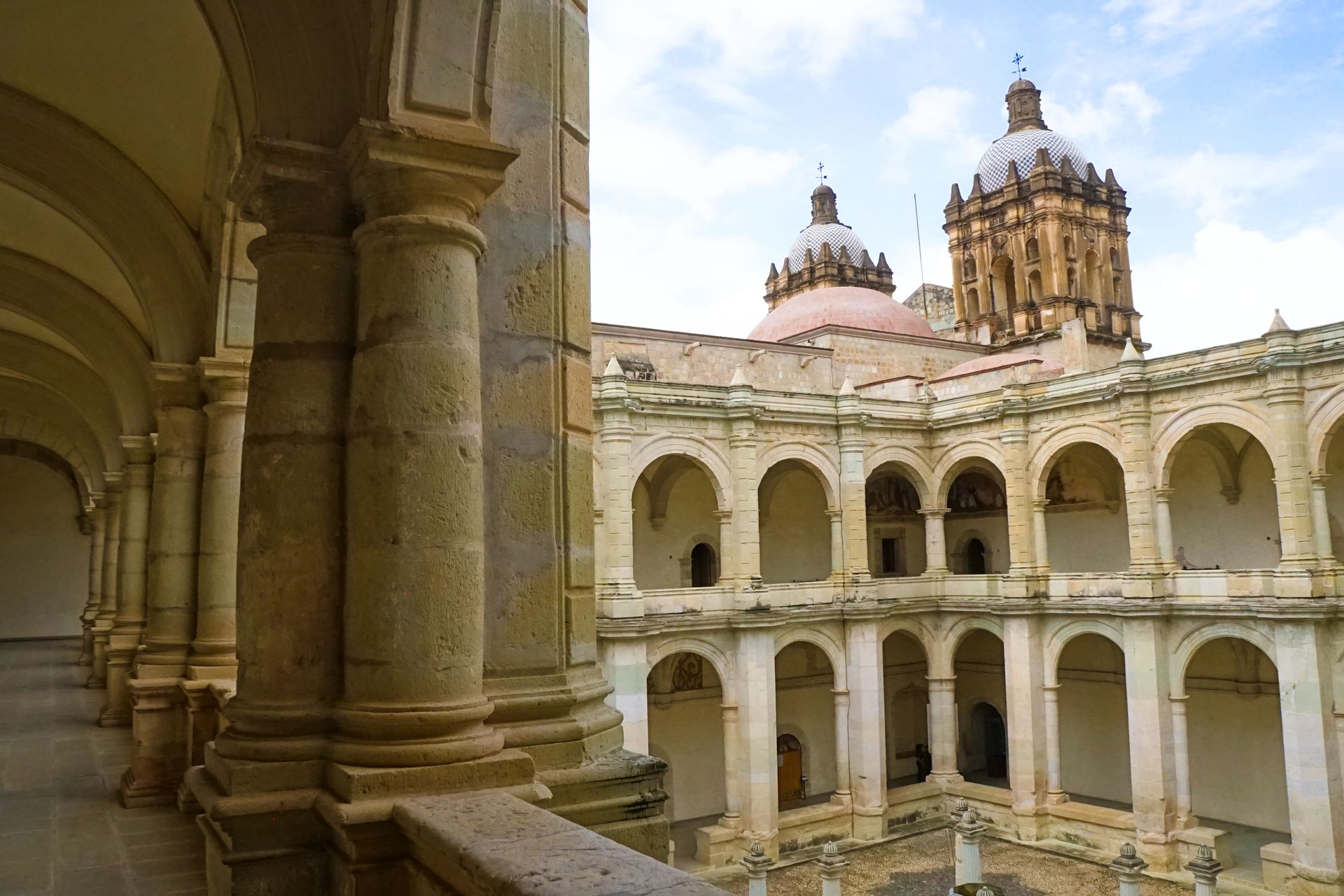
Oaxaca connects archaeology, food and living tradition more convincingly than almost anywhere else. Its historic centre and nearby Monte Albán share UNESCO World Heritage status. The hilltop city was shaped by successive Olmec, Zapotec and Mixtec influences and became the region’s great ceremonial centre. Zapotec culture is not confined to Monte Albán, however; Zapotec languages, foodways, textiles and community traditions remain part of life across Oaxaca today.
Back in the city, Oaxaca food and culture are inseparable. Markets introduce chillies, chocolate, cheeses, breads, tlayudas, memelas, tamales and several kinds of mole. Mole is not one single sauce, but a broad family of complex regional preparations that can combine chillies, spices, seeds, fruit and, in some versions, cacao. Mezcal is an agave spirit traditionally produced in several parts of Mexico, with Oaxaca particularly associated with small-scale and artisanal production.
Choose cooking experiences that explain ingredients and regional techniques rather than merely supplying a recipe.
The surrounding valleys add weaving, black pottery, woodcarving and mezcal. Select locally led workshops where artisans explain their own work and set fair prices. Day of the Dead can be profound, but it is not a costume party for visitors: book early, follow local guidance and ask before photographing people or altars. Discovering the Spirit of Summer in Mexico provides further seasonal inspiration, while recognising that cultural festivals occur throughout the year.
Yucatán: Maya Cities, Colonial Towns and Regional Cuisine
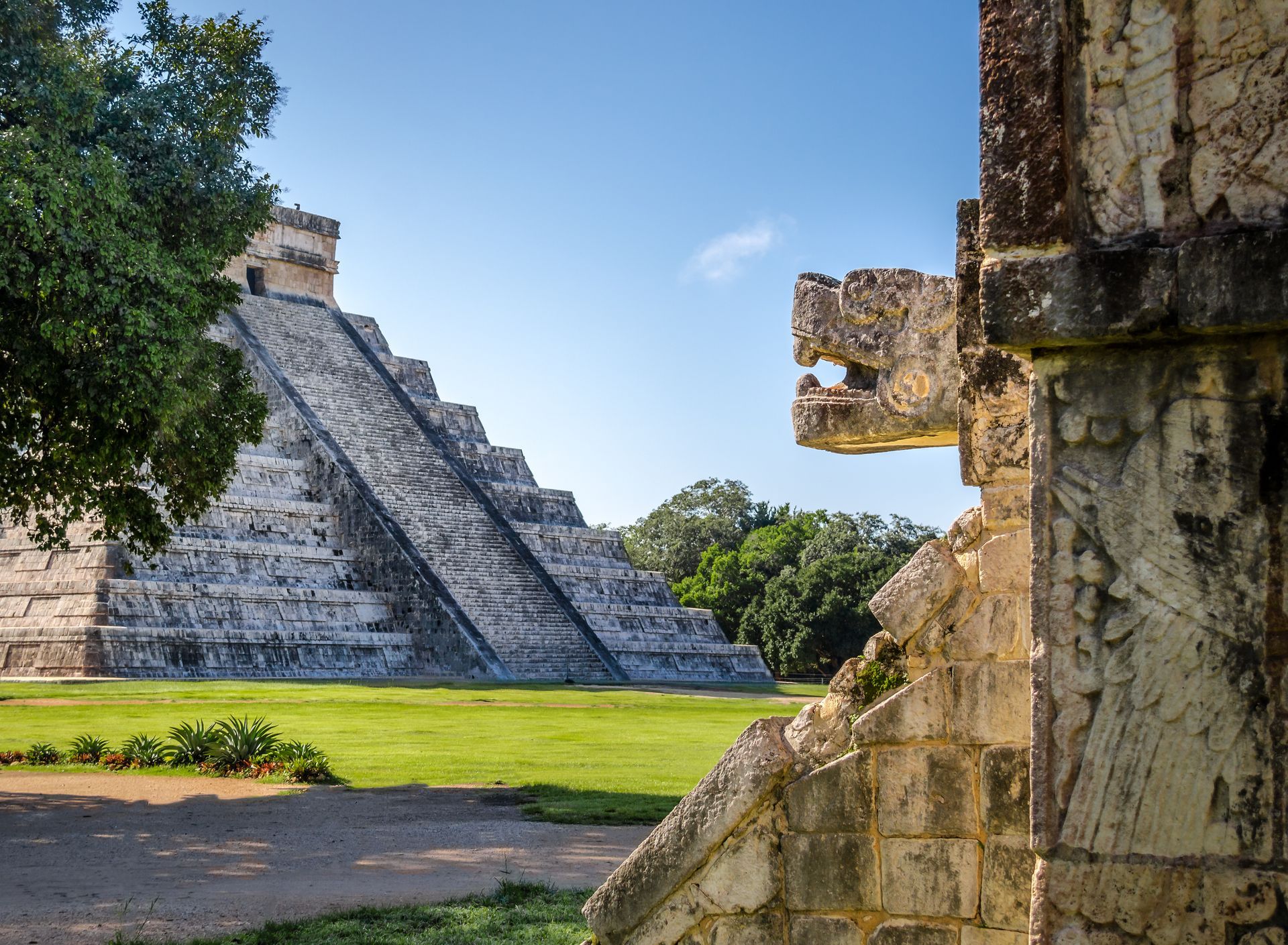
Yucatán cultural holidays suit travellers who want major ancient sites, attractive towns and an easy beach extension. Mérida makes a comfortable base, while Valladolid places you closer to Chichén Itzá. Hacienda stays can add character between touring days.
Cenotes are natural limestone sinkholes filled with groundwater. They have geological, historical and, in some cases, spiritual significance within the Maya world, so they should be visited with the same respect given to archaeological and religious places.
INAH describes Chichén Itzá as a powerful city with imposing temples and palaces, Maya in heritage but also showing Toltec influence. Its fame means early arrival and a thoughtful guide are worthwhile. Uxmal offers a different experience, with cohesive architecture, intricate façades and often a calmer atmosphere. Both are UNESCO World Heritage properties.
Regional Mexican cuisine changes noticeably here. Try cochinita pibil, sopa de lima, poc chuc and dishes using achiote and sour orange. Official tourism material also highlights community experiences linking visitors with Maya life and traditional cooking. Finish on the Riviera Maya, Isla Holbox or another suitable coast if you want culture and relaxation in one journey.
Chiapas: Jungle Ruins and Indigenous Highland Culture
Palenque offers one of Mexico’s most atmospheric archaeological experiences, with palace structures and carved monuments rising from humid forest. It is both a pre-Hispanic city and national park on UNESCO’s World Heritage List.
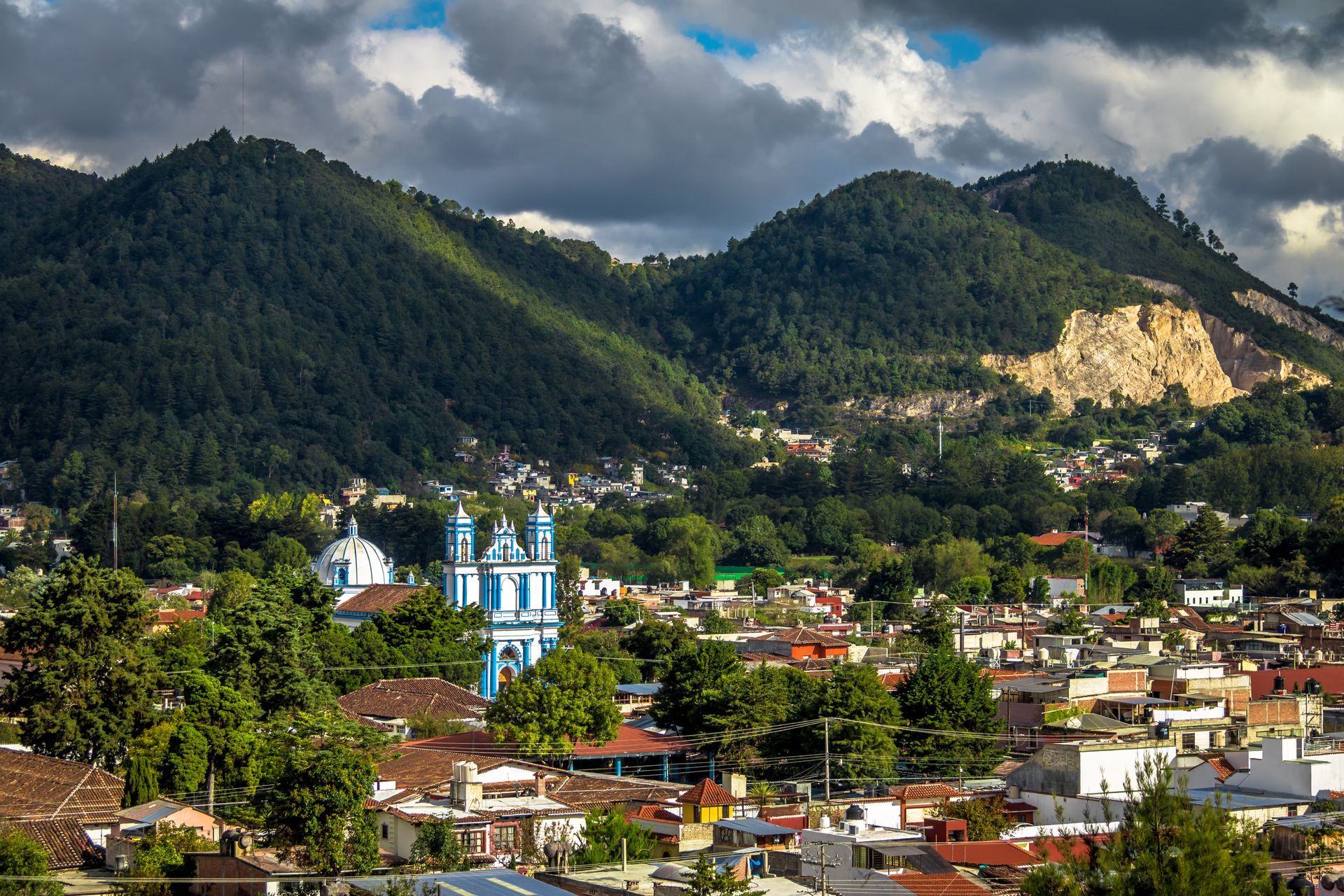
San Cristóbal de las Casas provides access to markets, textiles and communities where Tzotzil and Tzeltal languages and traditions remain part of daily life. Visits should be locally led, photography should never be assumed acceptable, and sacred or domestic spaces must not be treated as exhibits.
Planning requires current route checks. At the time of writing, the FCDO advises against all but essential travel on part of Federal Highway 199 between the San Cristóbal area and the Palenque junction, as well as within part of the Guatemala border zone. Transport and insurance implications must therefore be reviewed when the itinerary is created.
Colonial and Artistic Mexico Beyond the Obvious Route
Among the most rewarding colonial cities in Mexico, Puebla works well between Mexico City and Oaxaca, combining its UNESCO-listed centre, Talavera ceramics and mole poblano. Guanajuato offers steep lanes, plazas, theatres and mining history, while nearby San Miguel de Allende suits travellers seeking galleries, architecture and a slower luxury stay.
Some smaller historic destinations are promoted as a Pueblo Mágico, or “Magical Town”, under a Mexican tourism programme recognising places with distinctive heritage, traditions, architecture or landscapes. The designation can help identify worthwhile additions, although it should not replace careful consideration of route, time and genuine cultural interest.
Guadalajara adds mural art, design and access to Jalisco’s mariachi and agave traditions. UNESCO lists both Hospicio Cabañas and the Agave Landscape and Ancient Industrial Facilities of Tequila among Mexico’s World Heritage properties. Add one of these cities when it strengthens the route, not simply because another stop can be squeezed in.
Ancient Sites in Mexico: Which Should You Choose?
Ancient sites differ greatly in civilisation, landscape, scale and atmosphere. You will often see the phrase “Mayan ruins”, although “Maya ruins” is generally the preferred form. Choose sites that complement the wider holiday.
| Site | Cultural context | Atmosphere and conditions | Access and time needed | Best suited to |
|---|---|---|---|---|
| Teotihuacán | A major pre-Hispanic city that predates the Mexica empire | Vast, monumental, exposed and often hot, with limited shade | Usually a full-day excursion from Mexico City; considerable walking on uneven surfaces | First-time visitors, large-scale archaeology and Mexico City itineraries |
| Chichén Itzá | A major Maya city showing wider regional influences | Iconic and well interpreted but frequently crowded and hot | Allow at least two to three hours on site, plus transfer time; arrive early where possible | Travellers wanting Mexico’s best-known archaeological landmark |
| Uxmal | A Maya city celebrated for Puuc architecture and detailed stone façades | Architecturally cohesive and often calmer than Chichén Itzá | Usually visited from Mérida; allow two to three hours plus travelling time | Architecture enthusiasts and travellers wanting a less hurried Maya-site experience |
| Monte Albán | A major Zapotec ceremonial and political centre | Open hilltop setting with extensive views and strong links to modern Oaxaca | Normally a half-day excursion from Oaxaca; exposed surfaces and steps require suitable footwear | Travellers combining archaeology, regional food and living Zapotec heritage |
| Palenque | A Classic Maya city surrounded by tropical forest | Humid, atmospheric and visually dramatic, with more challenging heat and terrain | Allow at least half a day; access requires careful route planning and current travel-advice checks | Jungle archaeology, wildlife atmosphere and deeper Maya history |
| Tulum | A fortified Maya coastal settlement | Highly scenic but compact, exposed and often busy | Usually two hours is sufficient on site; easiest to combine with a Riviera Maya stay | Beach-based travellers, families and visitors with limited touring time |
For travellers concerned about stamina or mobility, Tulum may be easier to incorporate than the much larger Teotihuacán, although heat and exposed surfaces remain considerations. Uxmal may feel calmer than Chichén Itzá, while Monte Albán offers the strongest connection between an archaeological site and a nearby city where related cultural traditions remain visible today.
UNESCO lists Teotihuacán, Chichén Itzá, Uxmal, Monte Albán and Palenque among Mexico’s UNESCO World Heritage sites, while INAH maintains the country’s archaeological zones.
For a first trip, Teotihuacán plus either Monte Albán or one Yucatán site offers more contrast than collecting several ruins in quick succession. Chichén Itzá is the icon, Uxmal rewards architectural interest, Palenque delivers jungle atmosphere, and Monte Albán creates the strongest bridge between an ancient centre and a living cultural city.
Accessibility varies. Expect heat, limited shade, steps, rough ground and long walks. Ask for current access information, consider a private guide and vehicle, and plan early starts and rest periods where mobility, stamina or sensory needs are relevant.
Eating Your Way Through Mexican Culture
UNESCO describes traditional Mexican cuisine as an ancestral, continuing community culture involving farming, ritual, inherited skills and culinary techniques. A market visit or cooking lesson can therefore be as revealing as a museum when led with knowledge and respect.
Regional Mexican cuisine should be explored region by region. Mexico City contrasts street stalls, traditional cafés and contemporary restaurants. Oaxaca brings moles, tlayudas, cacao and mezcal. Puebla has its own sauces and celebratory dishes. Yucatán uses achiote and sour orange, while Jalisco contributes birria and the wider agave story.
The best Mexican food tours explain provenance, technique and context. Ask whether guides work fairly with vendors and whether dietary needs can genuinely be managed. Cooking classes are strongest when they begin in a market or garden and end with a shared meal. Mezcal, tequila and cacao experiences should explain production and cultural meaning rather than becoming simple tastings.
How to Plan a Culture-Led Mexico Itinerary
Mexico’s scale is the main planning challenge. Transfers, internal flights, altitude changes and contrasting climates make depth more rewarding than distance.
7–9 Days: Mexico City and Oaxaca
Spend four nights in Mexico City and three or four in Oaxaca. Include the capital’s historic centre, museums and Teotihuacán, followed by Monte Albán, markets and one artisan or mezcal experience.
12–14 Days: Culture with a Beach Finish
Combine Mexico City and Oaxaca before the Pacific coast; alternatively, focus on Mérida, Valladolid and Yucatán’s ancient sites before the Caribbean. This is usually more satisfying than forcing Mexico City, Oaxaca, Chiapas and Cancún into one fortnight.
12–14 Days: Yucatán and Chiapas
Pair Mérida and Uxmal with Palenque and San Cristóbal only when current FCDO guidance, transport and insurance allow. Flights and carefully vetted transfers may be preferable to a continuous road itinerary.
18–21 Days: A Deeper Multi-Region Journey
A longer trip can connect Mexico City, Oaxaca, selected Chiapas experiences and Yucatán. Include breathing space after major journeys and avoid scheduling an archaeological site every morning.
Jamie Says:
"For a two-week first visit, choose two main cultural regions and one restful finish. A route that looks less ambitious on paper usually feels richer because there is time for an unexpected market, a longer lunch or a second walk through a favourite neighbourhood.
A specialist can turn a wishlist into a workable Mexico itinerary, balancing journey times, guiding, hotel location and the different interests of everyone travelling."

Not sure which regions work together? Jamie Wake Travel can help you compare journey times, hotel locations, guiding options and beach extensions before the route is finalised. Exploring our Mexico holidays is a useful starting point, but the best itinerary will be shaped around your available time and the aspects of Mexican culture that interest you most.
Best Time for Cultural Travel, Food and Festivals
There is no single best month for every region. Mexico covers tropical coasts, central highlands, dry interiors and humid jungle, so Oaxaca, Mexico City, Yucatán and Chiapas can feel very different on the same date.
Cooler mornings help at exposed archaeological sites. Wetter periods often bring greener landscapes and short heavy showers, while drier seasons may attract stronger demand. Day of the Dead, Guelaguetza, Easter events and local festivals can be rewarding but affect hotel availability, traffic and crowds.
Choose dates around the intended route and experience rather than a nationwide weather chart. Discovering the Spirit of Summer in Mexico offers further seasonal inspiration, but current event dates and local conditions should always be checked.
Practical Advice for UK Travellers
British citizens travelling as tourists currently do not need a visa, although the permitted stay is decided on entry. A passport must be valid for the visit; the Mexican Embassy in the UK recommends at least 180 days. Border officials may request onward travel, accommodation details and evidence of funds, while anyone transiting another country must meet its separate requirements.
FCDO advice varies by state and sometimes by road. It currently advises against all but essential travel to parts of Mexico, and travelling against that advice can invalidate insurance. Every route must therefore be checked shortly before booking and departure.
Seek health advice in good time. GOV.UK recommends checking vaccine guidance at least eight weeks before travel and highlights risks including dengue, Zika, chikungunya, air pollution and altitude sickness. Insurance should cover the full itinerary, planned activities, treatment and possible medical evacuation.
Domestic flights can save considerable time between Mexico’s cultural regions, but airport transfers, check-in time and baggage allowances must still be included in the plan. Road journeys that appear short on a map may take much longer because of traffic, mountain roads or local conditions. Where an itinerary includes separate domestic tickets, allow sensible connection margins and avoid arranging a major guided visit immediately after a long transfer.
Pack comfortable footwear, sun protection and lightweight layers. Allow for altitude in Mexico City, humidity in Palenque and intense sun at open ruins.
Guided, Tailor-Made or Independent: What Should You Book?
Independent travel offers freedom and suits confident visitors staying mainly in established cities, but arranging guides, transfers and community experiences takes research.
Fixed cultural tours of Mexico provide companionship, a defined structure and efficient logistics, though the pace and hotels are predetermined.
Tailor-made Mexico holidays offer a middle ground. The route, hotel style, guiding and beach extension can be adapted, and current travel advice can be considered when connecting destinations. This is especially useful when travellers have different priorities.
Whichever style you choose, a knowledgeable guide adds value at the major sites by explaining chronology, belief and architecture while distinguishing established evidence from interpretation.
Responsible Cultural Travel in Mexico
Responsible travel begins by recognising that Mexican heritage is lived and owned by communities - not performed for visitors on demand.
Ask before photographing people, ceremonies, altars, homes or children. Follow local rules in churches and sacred spaces. Buy directly from artisans where possible, pay fair prices and take interest in the maker rather than treating every exchange as a bargaining contest.
Choose locally led visits where communities control access, timing and storytelling. Be cautious about tours promising entry into “authentic villages” without explaining who benefits. Indigenous communities are not frozen in the past; their languages, foodways, beliefs and art continue to evolve.
This approach creates better conversations and a fairer exchange—the central idea behind Learning About Local Culture: Why it matters and How Travel Can Teach You About Other Cultures.
Plan a Cultural Holiday in Mexico That Has Time to Breathe
Mexico can offer an ancient city at dawn, lunch shaped by generations of regional knowledge, an artisan workshop and an evening of music within one journey.
The key is choosing the right regions and allowing enough time. Jamie Wake Travel can create culture holidays in Mexico combining food, heritage and ancient sites with comfortable pacing, carefully chosen guides and, where suitable, a relaxing beach finish.
Explore our Mexico holidays, then speak to us about shaping the route around what genuinely interests you. Eligible flight-inclusive packages receive ATOL protection, while customer payments are managed through Protected Trust Services, giving UK travellers added reassurance alongside personal, expert support.
Frequently Asked Questions
What Are the Best Places for Culture Holidays in Mexico?
Mexico City, Oaxaca and Yucatán form the strongest first-time combination for cultural holidays in Mexico, bringing together museums, living heritage, food and archaeological sites. Mexico City is best for broad historical context and contemporary culture; Oaxaca excels in regional cuisine, crafts and Zapotec heritage; Yucatán offers major Maya cities and an easy beach extension. Chiapas is especially rewarding for Palenque and highland culture but requires more careful route planning. Puebla, Guanajuato, San Miguel de Allende and Guadalajara are excellent additions for architecture, art, music and food when the length of the holiday allows.
How Many Days Do You Need for a Cultural Holiday in Mexico?
Allow at least seven to nine days for two connected destinations, such as Mexico City and Oaxaca. Twelve to fourteen days works well for two cultural regions plus a short beach stay, while eighteen to twenty-one days is more realistic for a wider journey involving central Mexico, Chiapas and Yucatán. Avoid judging distances by the map alone: transfers, internal flights, altitude and early archaeological-site visits all affect the pace. A less crowded itinerary usually produces a deeper experience because there is time for markets, neighbourhoods, meals and unexpected discoveries between headline attractions.
What Are the Best Ancient Sites to Visit in Mexico?
Teotihuacán, Chichén Itzá, Uxmal, Monte Albán and Palenque offer the strongest contrast. Teotihuacán is vast and easy to combine with Mexico City. Chichén Itzá is the iconic choice but can be busy. Uxmal is admired for its detailed architecture and often feels calmer. Monte Albán sits dramatically above Oaxaca and connects naturally with the region’s living Zapotec heritage. Palenque provides the most atmospheric jungle setting. Tulum is convenient for beach-based travellers but is better chosen for its coastal location than for the deepest archaeological experience. A specialist guide adds context at every site.
Is Mexico City or Oaxaca Better for Culture and Food?
Mexico City offers the broader introduction, with major museums, Mexica heritage, colonial architecture, muralism, neighbourhoods and an enormous food scene. Oaxaca offers a more concentrated cultural experience in a smaller setting, with Monte Albán, markets, mole, mezcal, textiles and artisan communities close together. First-time visitors do not necessarily need to choose: four nights in Mexico City and four in Oaxaca make an excellent pairing. Choose Mexico City alone for museums and urban variety; choose Oaxaca alone for regional food, crafts and a slower pace. Combining them provides the most balanced cultural route.
Can You Combine a Cultural Tour of Mexico with a Beach Holiday?
Yes. Yucatán touring combines particularly easily with the Riviera Maya, Isla Holbox or another Caribbean-coast stay. Oaxaca can be paired with the Pacific coast, while Mexico City can connect by air with several beach regions. The most successful combinations place the beach at the end, creating time to rest after early starts, guided visits and travel days. Do not squeeze the cultural portion to make room for too many resorts. A twelve- to fourteen-night holiday might include seven to nine nights of touring followed by four or five nights beside the sea.
When Is the Best Time to Visit Mexico for Festivals and Cultural Experiences?
The best time depends on the regions and events included. Central highland cities, tropical Yucatán and humid Chiapas do not share one climate. Drier periods can make touring easier but may bring stronger demand, while wetter months can mean greener scenery and short heavy showers. Major festivals such as Day of the Dead create exceptional atmosphere but require early booking and respectful participation. Local event dates, archaeological-site arrangements and weather patterns should be checked for the intended year. Build the trip around the experience you value most rather than selecting dates from a single nationwide “best time” recommendation.
Do You Need a Guide at Chichén Itzá, Teotihuacán or Palenque?
A guide is not always compulsory, but it can transform the visit. Without context, large ceremonial spaces may become a sequence of impressive structures with little connection between them. A knowledgeable guide can explain chronology, belief, architecture, trade and the differences between civilisations, while being clear about what archaeologists know and what remains uncertain. Private guiding also allows the pace to be adjusted for heat, mobility or specialist interests. At very busy sites such as Chichén Itzá, pre-arranged guiding and an early start can make the experience calmer and more purposeful.
Is a Culture Holiday in Mexico Suitable for First-Time Visitors?
Yes, provided the itinerary is focused and sensibly paced. Mexico City and Oaxaca are an excellent first combination because they offer strong hotel choice, significant cultural attractions and clear contrasts without trying to cover the whole country. Yucatán is another accessible option for travellers wanting Maya sites and a beach finish. First-time visitors benefit from pre-arranged airport transfers, well-located accommodation and guides for major sites. Current FCDO advice should be checked for every route, especially where journeys cross state lines. A tailor-made plan can remove logistical pressure while preserving flexibility.
What Should UK Travellers Know Before Touring Mexico?
Check the latest passport, entry, health and FCDO guidance shortly before travel because rules and regional advice can change. British tourists currently do not require a visa, but the number of days permitted is decided on entry. Ensure insurance covers the complete itinerary and any activities, and remember that travelling against FCDO advice may invalidate cover. Mexico City and some inland areas are at altitude, while archaeological sites can involve heat, uneven ground and limited shade. Carry suitable footwear, sun protection, safe drinking water and enough local currency for smaller purchases.
How Can You Experience Indigenous Culture Respectfully in Mexico?
Choose experiences designed or led by the community, with clear information about who hosts the visit and how payment is distributed. Ask before taking photographs and accept that the answer may be no, particularly in sacred, domestic or ceremonial settings. Buy directly from artisans where possible and avoid aggressive bargaining over work that may take days or weeks to produce. Listen to how people describe their own identity and traditions rather than expecting a staged version of the past. Respectful travel recognises that Indigenous languages, beliefs, foodways and artistic practices are living and changing parts of modern Mexico.