The World’s Most Unique Underground Hotels
The World’s Most Unique Underground Hotel Experiences

Staying in an underground hotel isn’t about hiding away from the world. It’s about experiencing travel from a completely different perspective. Beneath the surface, these remarkable places offer quiet, natural temperature control, striking design and a sense of immersion that traditional hotels rarely achieve.
Around the world, underground hotels take many forms. Some are carved into ancient rock by hand. Others are modern architectural responses to extreme climates or busy cities. A few are converted mines or bunkers that tell powerful stories about the past. What they share is the ability to turn the earth itself into part of the experience.
For UK travellers looking for something genuinely distinctive, an underground hotel stay delivers novelty and comfort — when chosen well. This guide explains what truly counts as an underground hotel, what it’s really like to sleep beneath the surface, and which underground hotels around the world stand out for the right reasons.
If you’ve ever wondered whether sleeping underground would feel cosy, claustrophobic, luxurious or unsettling, you’ll find honest answers here.
What Is an Underground Hotel (and What Isn’t)?
The phrase underground hotel is widely used — and often misused. Understanding the difference matters if you’re booking specifically for the subterranean experience.
A true underground hotel is one where guest rooms are built below ground level, either fully surrounded by earth or carved directly into rock. These hotels use the natural properties of stone and soil to regulate temperature, reduce noise and create a distinctive atmosphere.
Genuine underground hotels include:
- Cave hotels carved into rock formations
- Dugouts built underground in desert or extreme climates
- Converted mines and bunkers
- Purpose-built subterranean hotels beneath cities
What doesn’t quite qualify:
- Hotels with underground spas but above-ground rooms
- “Cave-style” décor in standard buildings
- Earth-sheltered hotels with fully exposed façades
Many of the world’s best underground hotels fall somewhere on a spectrum. What matters is how immersive the experience feels — and whether the underground setting meaningfully shapes your stay.
Why Do Travellers Choose an Underground Hotel?
Underground hotels appeal to far more than novelty seekers. In practice, guests often find them more comfortable than expected.
Key reasons people love underground hotels:
- Natural temperature stability – cool in hot climates, warm in cold ones
- Exceptional quiet – earth and rock provide natural soundproofing
- Unique architecture – no two rooms are ever quite the same
- A sense of calm – thick walls and low light can feel deeply relaxing
- A stronger connection to place – many are tied to local history
For light sleepers, design lovers and travellers who value atmosphere over uniformity, an underground hotel can become the highlight of the trip.
Many underground hotels are tucked away in quieter regions, making them ideal for travellers looking to avoid the crowds during peak travel periods.
Types of Underground Hotels You’ll Find Around the World
Understanding the main categories makes it easier to choose the right stay.
Cave Hotels
Carved directly into rock, often volcanic or limestone. Common in Turkey, Greece and Italy.
Dugouts and Desert Underground Stays
Built underground to escape extreme heat, particularly in Australia.
Mine and Bunker Conversions
Former industrial or military spaces transformed into accommodation.
City Underground Hotels
Modern, purpose-built hotels beneath busy urban centres, often windowless by design.
Extreme Underground Sleep Experiences
Guided overnight stays deep underground, usually adventure-led rather than luxury-focused.
If you’re keen to explore even more inspiration, our guide to the coolest underground hotels around the world showcases additional stays in truly unusual holiday destinations

The World’s Most Unique Underground Hotels
Argos in Cappadocia – Turkey

Best for: Romance and scenery
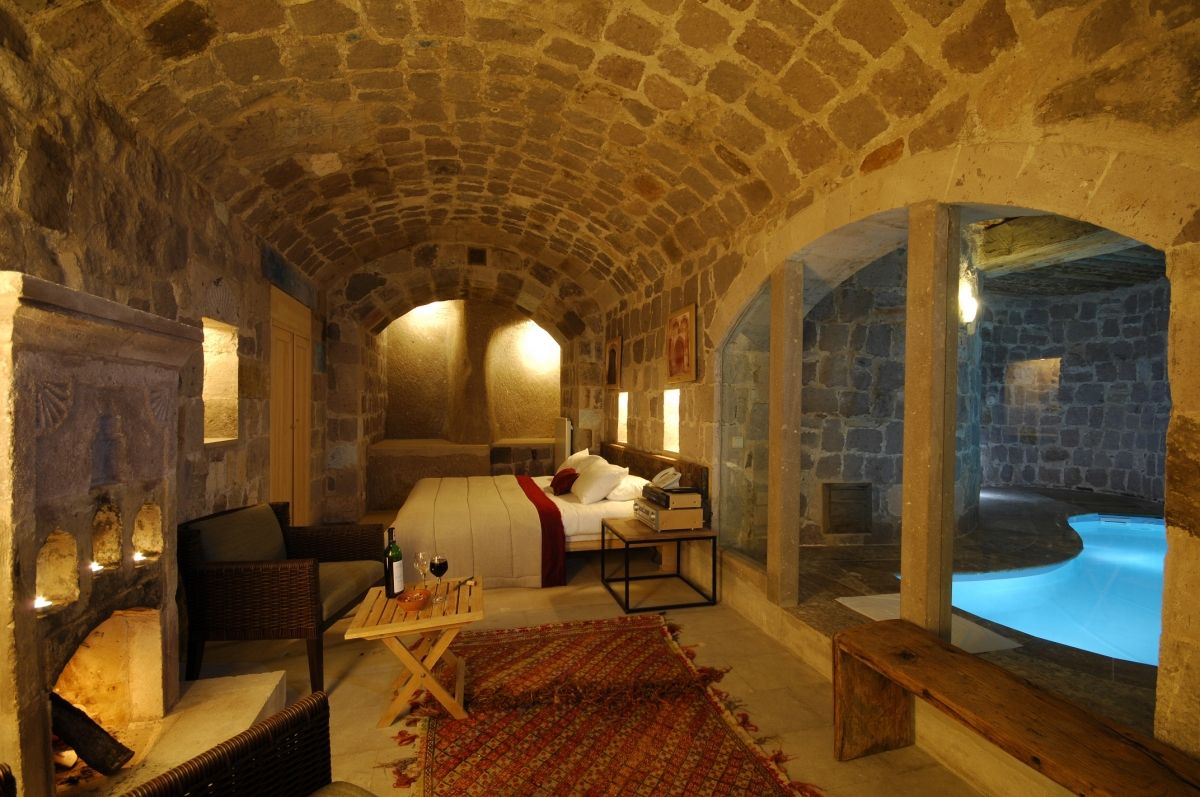
Set among Cappadocia’s famous fairy chimneys, Argos in Cappadocia is one of the world’s most refined underground hotel experiences. Many suites are carved into volcanic rock, with arched ceilings, stone walls and soft lighting that creates an immediate sense of calm.
Some rooms include private underground pools fed by natural spring water, while terraces above ground offer panoramic valley views. Despite its historic setting, comfort is firmly modern.
Many travellers choose to pair an underground hotel stay with the wider experience of Cappadocia’s cave hotels, hot-air balloon rides and cultural touring.
If this style of underground hotel appeals, Jamie Wake Travel can help you build a Cappadocia itinerary that pairs cave luxury with Istanbul or the Turkish coast.
Kayakapi Premium Caves – Cappadocia, Turkey

Best for: Authentic cave living with space
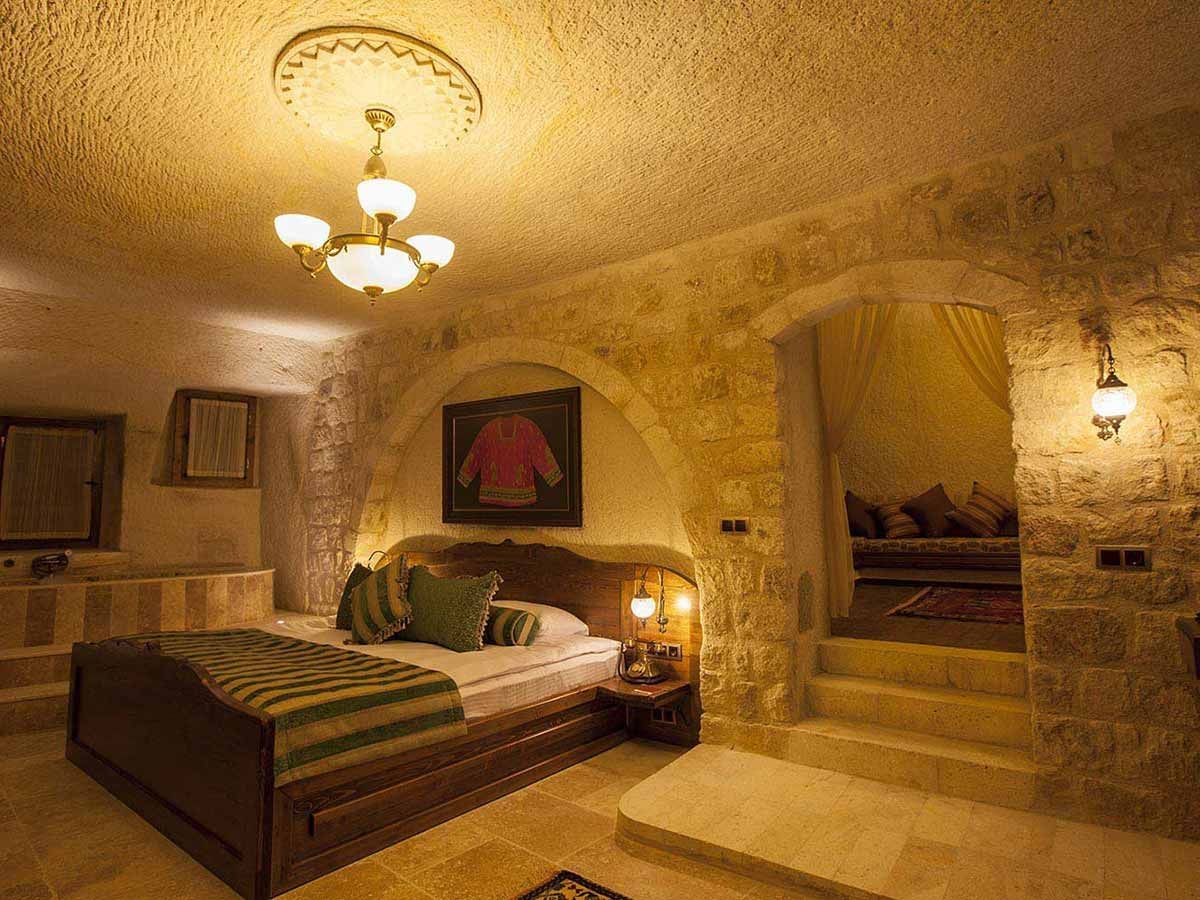
Another standout in the region, Kayakapi Premium Caves occupies a restored historic village, with cave rooms spread across a hillside. Many are fully underground, while others combine rock-carved interiors with natural daylight.
Rooms are generous in size, making this a good choice for travellers who want an underground experience without feeling enclosed.
Jamie Wake Travel can advise on which cave hotels best suit your comfort preferences and travel dates.
Desert Cave Hotel – Coober Pedy, Australia

Best for: Extreme climates and novelty
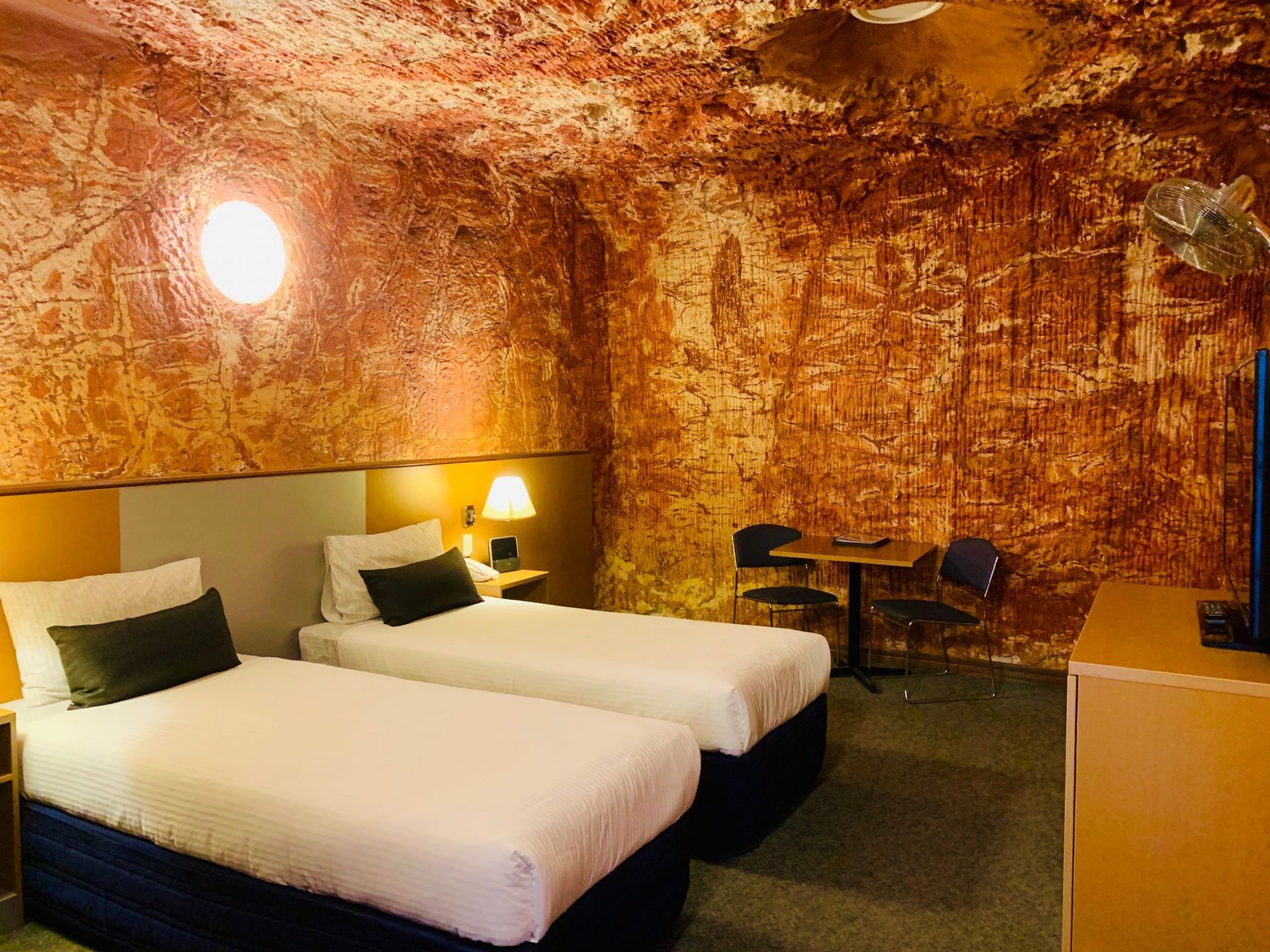
In Australia’s opal-mining town of Coober Pedy, underground living is practical rather than theatrical. Desert Cave Hoteloffers rooms carved directly into sandstone, maintaining a steady, comfortable temperature even when the desert above is scorching.
The hotel also includes an underground bar, shops and gallery — making it a complete subterranean experience.
This works best as part of a wider Australian journey. Jamie Wake Travel can combine Coober Pedy with the Red Centre, Adelaide or the coast.
Sextantio Le Grotte della Civita – Matera, Italy

Best for: History and atmosphere
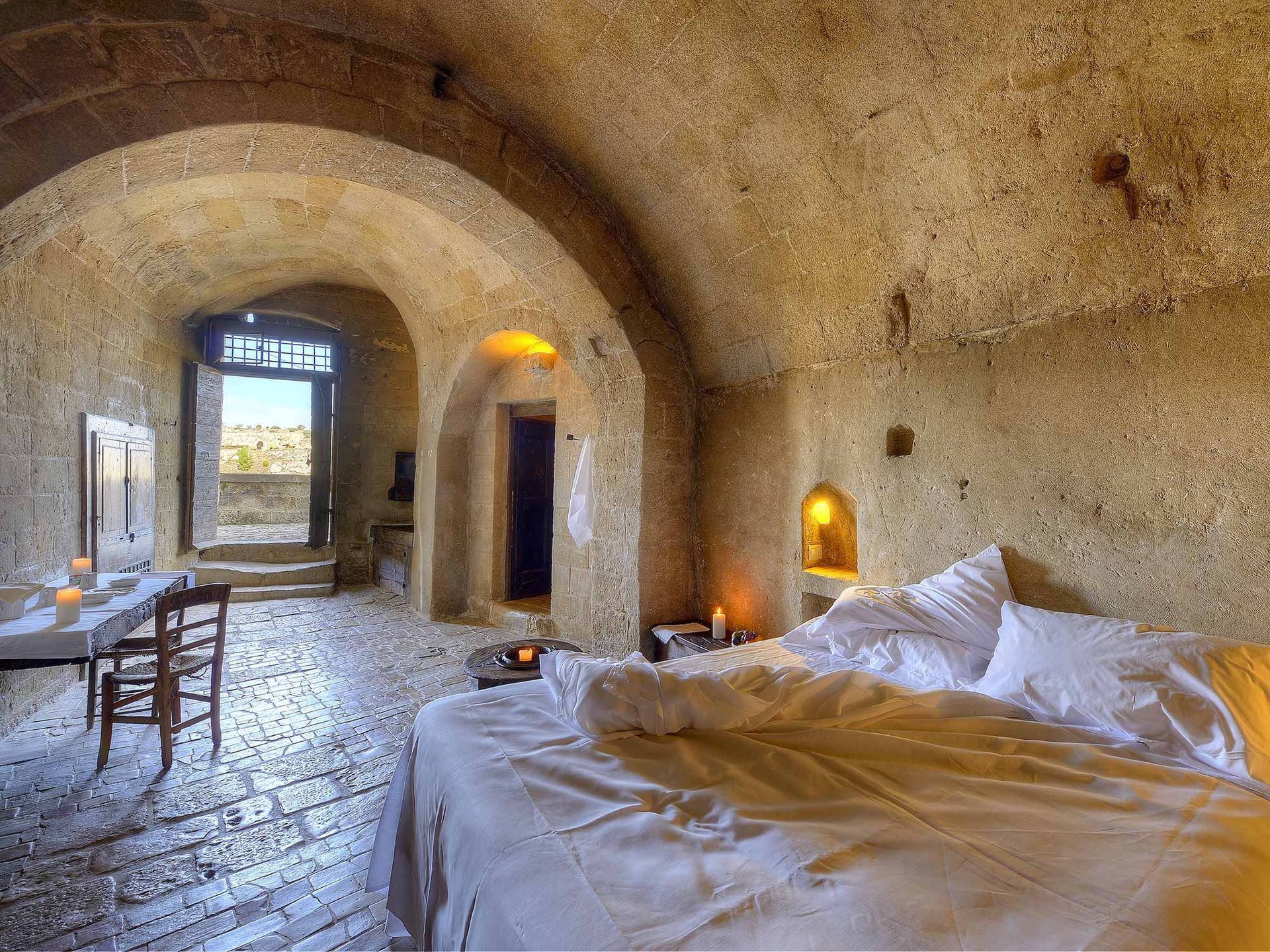
Matera’s ancient cave dwellings are among the oldest continuously inhabited homes in the world. Sextantio Le Grotte della Civita preserves this heritage with sensitivity and restraint.
Rooms are minimalist, lit by candles and softened with natural fabrics. This is an underground hotel that feels deeply connected to human history rather than luxury trends.
Jamie Wake Travel can pair Matera with Puglia or southern Italy for a well-balanced itinerary.
Jamie Says:
“People are often surprised by how calming underground hotels feel. When chosen well, they’re quieter, more comfortable and more memorable than many luxury hotels above ground.”

Sala Silvermine – Sweden

Best for: Adventure and uniqueness
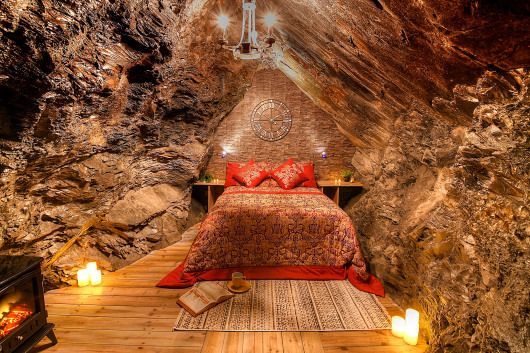
Sleeping over 150 metres below ground, Sala Silvermine offers one of Europe’s deepest underground hotel stays. Former mining chambers have been adapted for overnight guests, complete with heavy bedding and guided access.
This is not traditional luxury, but it is unforgettable.
Ideal as part of a Scandinavian adventure curated by Jamie Wake Travel.
Kokopelli’s Cave – New Mexico, USA

Best for: Privacy and romance
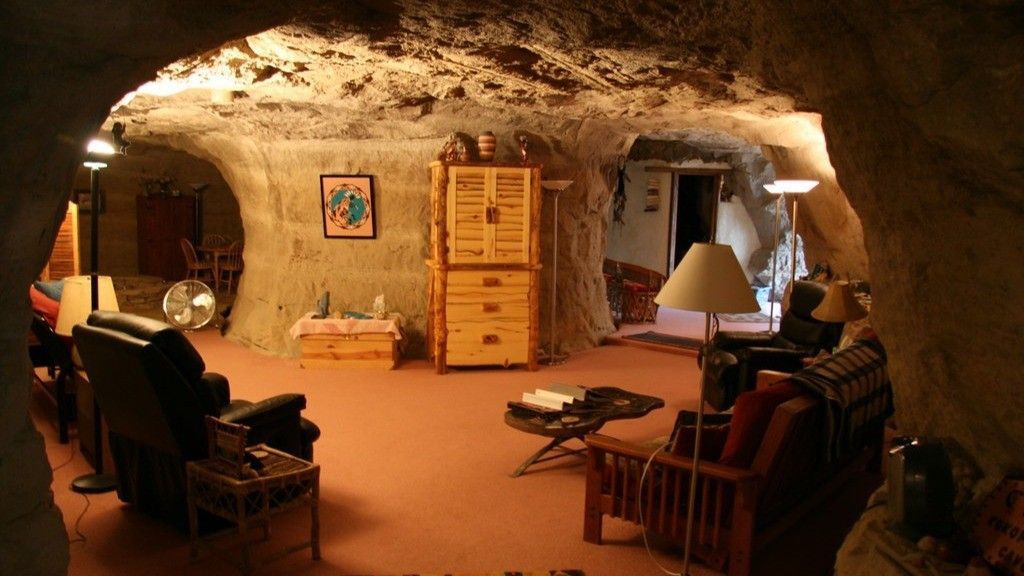
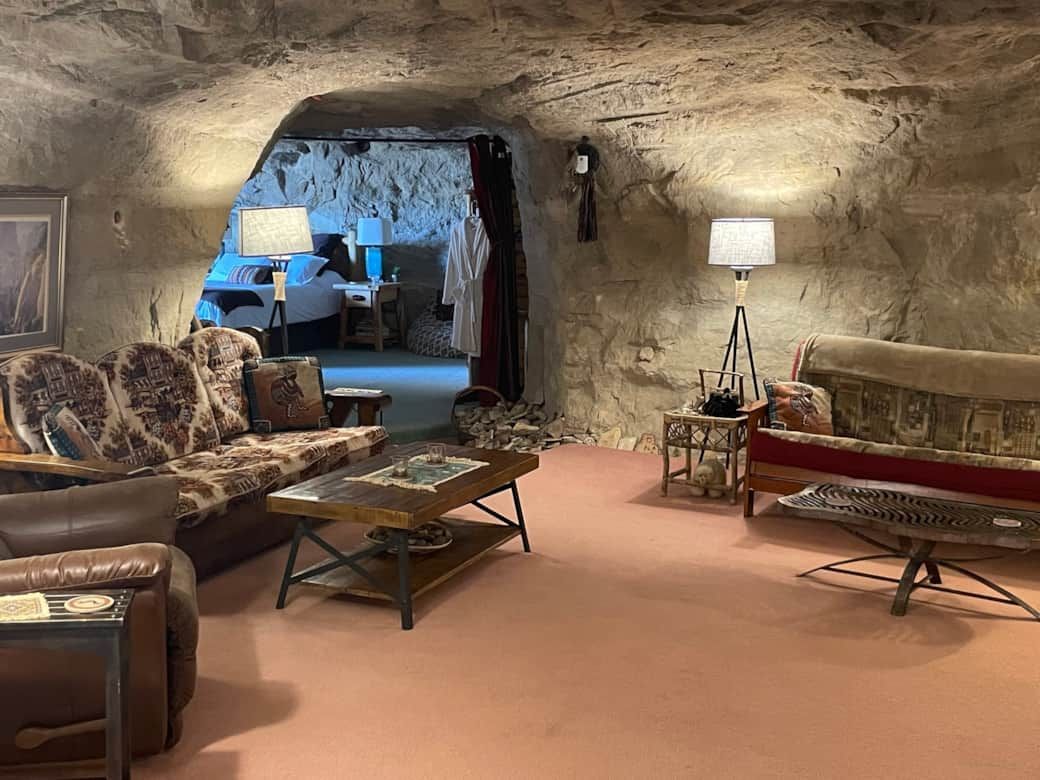
Carved into a cliff face overlooking the La Plata River Valley, Kokopelli’s Cave is a single-suite underground escape. Accessed via a stairway, the cave offers complete seclusion and dramatic views once you step outside.
Jamie Wake Travel can help build this into a wider USA road trip or Southwest itinerary.
Go Below – Deep Sleep, Wales

Best for: UK adventure seekers
While not a hotel in the traditional sense, Go Below offers a guided overnight sleep deep inside a disused mine in Snowdonia. Guests are accompanied by expert guides, with full safety systems in place.
This works well as a short UK adventure break planned with Jamie Wake Travel.
What Is It Really Like to Sleep Underground?
For many travellers, the biggest hesitation around an underground hotel is uncertainty. In reality, modern underground stays are carefully designed for comfort.
Air and ventilation
All reputable underground hotels use mechanical ventilation systems that circulate fresh air continuously.
Light
Some underground rooms receive daylight from entrances or shafts. Others rely on layered lighting to create warmth rather than darkness.
Temperature
Expect stable, comfortable temperatures year-round. Underground rooms rarely feel too hot or too cold.
Noise
Earth and rock provide excellent sound insulation. Underground hotels are often quieter than above-ground properties.
Safety
Professional underground hotels include emergency exits, fire systems and staff access routes as standard.
Is an Underground Hotel Safe?
Yes — when properly managed.
Modern underground hotels must meet the same safety regulations as above-ground accommodation, with additional planning for ventilation, access and evacuation. Converted mines and bunkers operate under strict guidance, often with staff present at all times.
If safety reassurance matters to you, choosing an established property and booking through an experienced travel adviser makes a real difference.
Is an Underground Hotel Right for You?
Underground hotels suit many travellers, but not all.
They’re ideal for:
- Couples seeking privacy and atmosphere
- Light sleepers
- Design and architecture enthusiasts
- Travellers wanting memorable, story-worthy stays
They may not suit:
- Severe claustrophobia (though many rooms are spacious)
- Travellers who need constant natural daylight
Choosing the right depth, layout and style is key.
How UK Travellers Typically Plan Underground Hotel Stays
Most underground hotels work best as part of a wider itinerary rather than a long standalone stay.
- Ideal stay length: 1–3 nights
- Pair with: city breaks, cultural touring or nature-based travel
- Flight times: generally 3–5 hours from the UK for Europe; longer-haul works best when combined with multiple experiences
This is where expert planning helps turn an unusual hotel into a seamless holiday.
Stays like these often become the highlight of a trip for travellers looking to tick off their travel bucket list with something genuinely different.
Booking with Confidence
When you book through Jamie Wake Travel, you benefit from:
- ATOL protection on flight-inclusive holidays
- Supplier Failure Insurance
- Honest advice on comfort, access and suitability
- Support before, during and after your trip
Your underground hotel stay should feel exciting — not uncertain.
Why Book with Jamie Wake Travel?
At Jamie Wake Travel, we specialise in holidays that are as unique as you are. From cave hotels in Turkey to desert dugouts in Australia, we match travellers with experiences that genuinely fit their interests, comfort levels and budgets.
You can call us on 01495 400005, use our online enquiry form, or explore options using our website search tool to start shaping a bespoke holiday — with protection and personal advice built in.
Your next great travel story might just begin underground.
Send an Enquiry
We will get back to you as soon as possible.
Please try again later.
Frequently Asked Questions: Underground Hotels
What is an underground hotel?
An underground hotel is accommodation where guest rooms are built below ground level, either carved into rock or surrounded by earth. These stays use natural insulation to create quiet, temperature-stable environments and a distinctive atmosphere.
Are underground hotels safe to stay in?
Yes. Professionally run underground hotels must meet the same safety standards as above-ground accommodation, including ventilation systems, emergency exits and fire safety procedures.
Do underground hotels have fresh air and ventilation?
All reputable underground hotels use modern mechanical ventilation systems to circulate fresh air continuously. Guests should never feel short of air or uncomfortable.
Will staying in an underground hotel feel claustrophobic?
This depends on the property. Many underground hotel rooms are surprisingly spacious, with high ceilings, curved walls and layered lighting designed to avoid a closed-in feeling.
Are underground hotels cold or damp?
No — in fact, underground hotels often maintain more stable temperatures than above-ground buildings. Rock and earth naturally regulate heat and humidity.
What’s the difference between a cave hotel and an underground hotel?
A cave hotel is usually carved into natural rock, while an underground hotel may be purpose-built or converted from spaces like mines or bunkers. Many cave hotels are also underground hotels, but not all underground hotels are caves.
Are underground hotels suitable for families?
Some are, particularly larger cave hotels with multiple rooms and easy access. Others, especially deep mine stays or windowless city hotels, may be better suited to adults. Always check layout and access.
What should I pack for an underground hotel stay?
Comfortable clothing, layers, and good footwear are ideal. Lighting and temperature are usually well managed, so specialist equipment is rarely needed.
How long should you stay in an underground hotel?
Most travellers find 1–3 nights ideal. Underground hotels work best as part of a wider itinerary rather than a long standalone stay.
Can Jamie Wake Travel help me book an underground hotel?
Yes. Jamie Wake Travel specialises in unique stays, including underground hotels, and can advise on suitability, comfort, routing and protections — creating a holiday that’s as unique as you are.