How to Plan a High-End Sustainable Safari
How to Plan a High-End Sustainable Safari
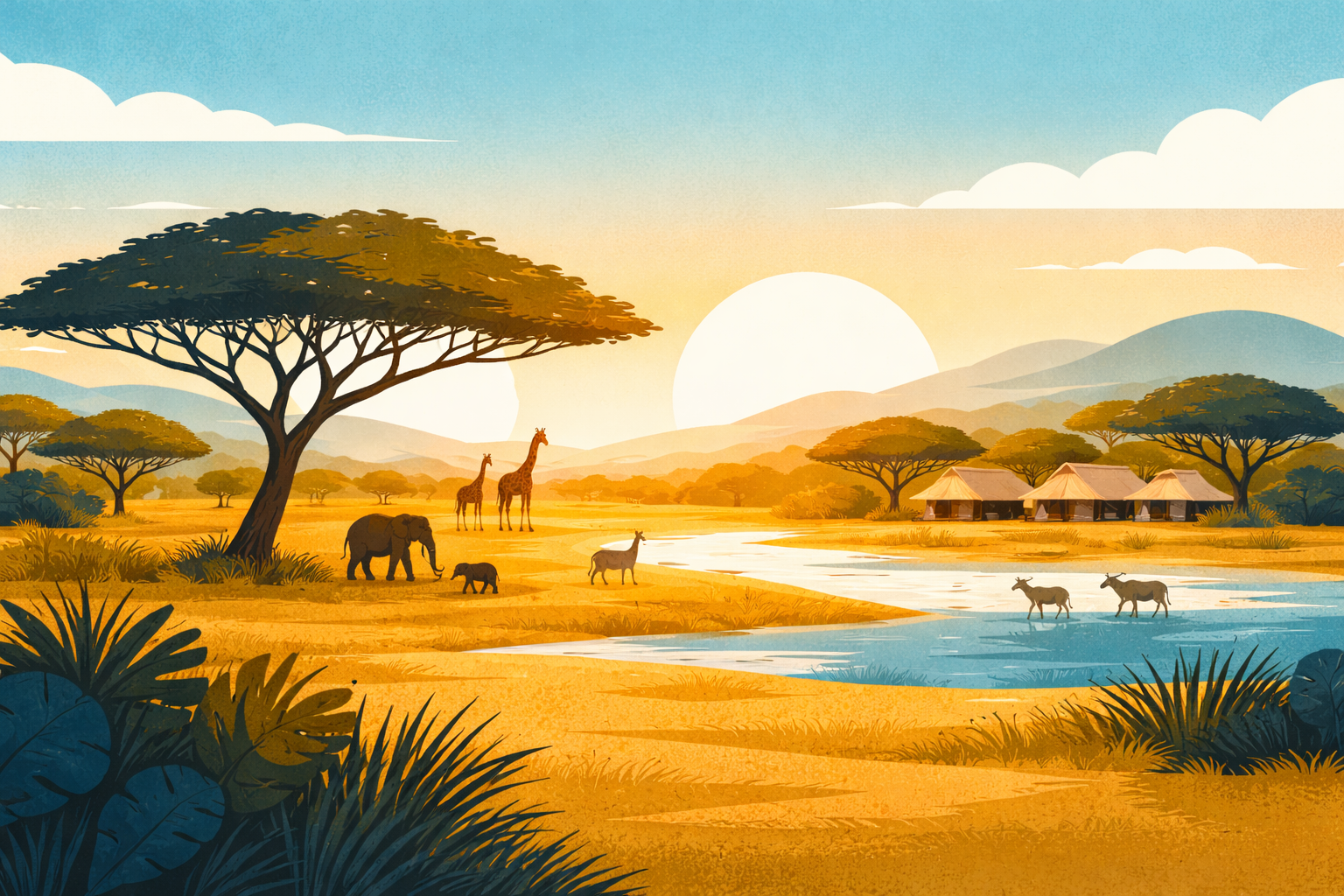
Planning sustainable safari holidays is not like booking any other trip. You’re dealing with remote destinations, protected ecosystems, specialist guides, light aircraft transfers, seasonal wildlife patterns, and lodges that operate far beyond the reach of mainstream tourism infrastructure.
Done properly, a sustainable safari is one of the most rewarding travel experiences on Earth. Done poorly, it can be disappointing, ethically questionable, or financially risky.
This is why high-end sustainable safari holidays should never be approached as a tick-box exercise. They require expert planning, deep destination knowledge, and trusted relationships on the ground — especially when you want luxury, authenticity, and genuine conservation impact in equal measure.
At Jamie Wake Travel, we specialise in creating tailor-made sustainable safari holidays that balance comfort with conscience, exclusivity with ethics, and unforgettable wildlife encounters with long-term positive impact.
It’s no surprise that sustainable safari holidays are surging - Top Travel Trends 2026 shows how regenerative, experience-led travel is shaping what people book next.
What “Sustainable Safari Holidays” Really Mean — and Why It Matters
The term sustainable safari holidays is used widely, but not always accurately. True sustainability goes far beyond recycled water bottles or solar panels.
A genuinely sustainable safari should:
- Protect wildlife habitats through responsible land use
- Fund conservation and anti-poaching initiatives
- Create long-term employment and education for local communities
- Limit guest numbers to reduce environmental pressure
- Follow strict ethical wildlife viewing standards
Luxury plays an important role here. High-end, low-volume tourism is often what makes conservation financially viable in remote areas. The right lodge, in the right location, with the right operator can directly fund wildlife protection and community development.
Choosing incorrectly, however, risks supporting greenwashing rather than genuine sustainability.
For a wider view of responsible high-end travel beyond Africa, see how to travel luxuriously while staying green - it’s packed with practical ways to avoid greenwashing.
Why Expert Planning Is Essential for Sustainable Safari Holidays
Safari travel is complex — and sustainable safari travel even more so.
Unlike city breaks or beach holidays, safaris involve:
- Interdependent suppliers across multiple countries
- Weather-dependent schedules
- Small camps with strict capacity limits
- Internal flights, charter aircraft, and remote transfers
- Conservation levies and community fees that must be transparent
This is where working with a specialist matters.
We don’t just ask where you want to go. We ask:
- What kind of wildlife experience matters most to you?
- How involved do you want to be with conservation and communities?
- Do you value privacy, guiding depth, or photographic opportunity most?
- How much movement versus relaxation suits your travel style?
Only then do we begin shaping your safari.
Luxury and Sustainability Are Not Opposites
One of the biggest misconceptions is that sustainable safari holidays require compromise. In reality, many of Africa’s most luxurious safari lodges are also its most responsible.
Think:
- Private concessions rather than crowded parks
- Suites designed to blend into the landscape
- Exceptional guiding rather than large-group game drives
- Camps that leave no trace when they move seasonally
Luxury here isn’t excess — it’s intention.
The Destinations That Do Sustainable Safaris Best
Not every safari destination is equally suited to sustainable tourism. Some countries and regions have invested deeply in conservation-led models, community ownership, and low-impact travel.
Below, we highlight destinations where sustainable safari holidays genuinely thrive — along with the exceptional lodges that exemplify how responsible travel can still feel indulgent.
Kenya: Sustainable Safari Holidays with Community at the Core
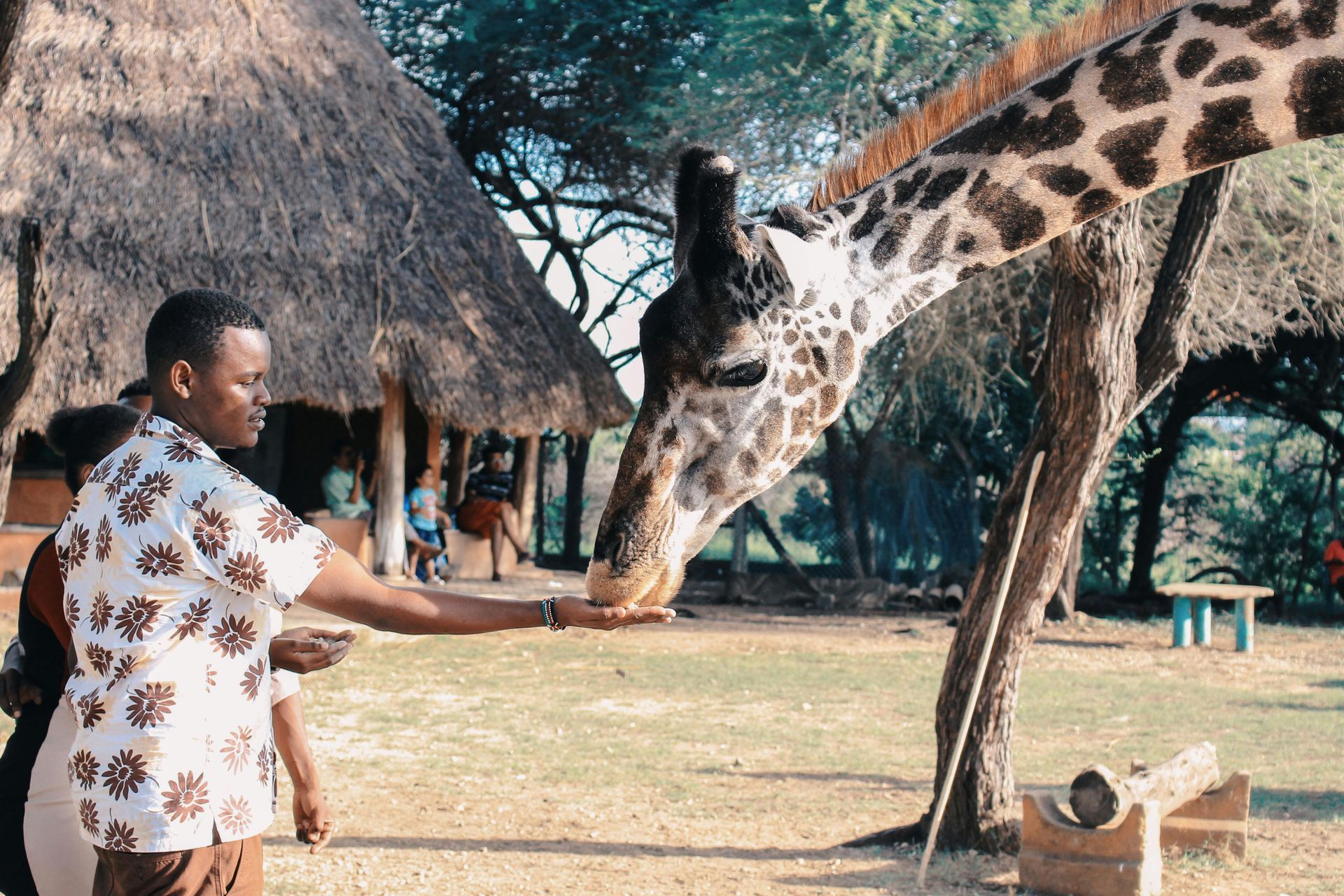
Kenya is one of the strongest destinations in Africa for sustainable safari holidays, thanks to its long-standing commitment to community-led conservation. Many of the country’s most celebrated safari areas are run in partnership with local landowners, ensuring tourism revenue directly supports people, wildlife, and landscapes.
Why Kenya works so well for sustainability
- Conservancies owned or co-managed by local communities
- Direct funding for education, healthcare, and wildlife protection
- Low-density safari models that reduce environmental pressure
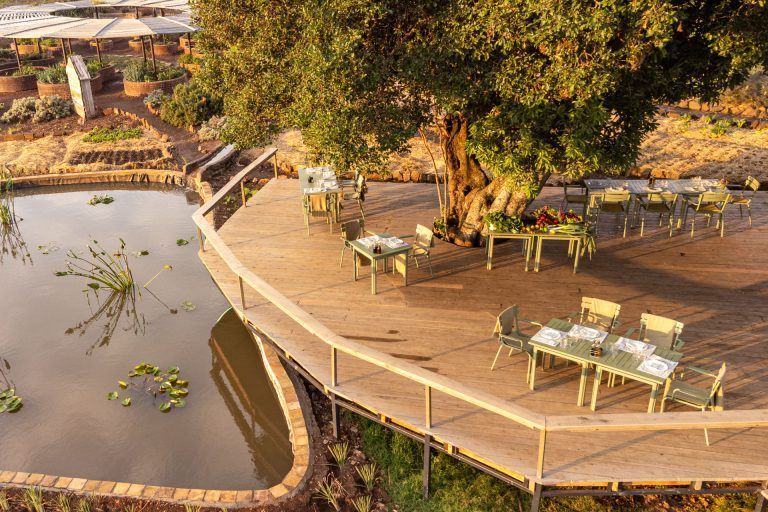
Angama Mara – Maasai Mara
Perched high above the Great Rift Valley, Angama Mara is widely regarded as one of Africa’s most iconic safari lodges — and one of its most progressive.
Why it’s sustainably exceptional
- Located within a community-owned conservancy
- Strong Maasai employment and training programmes
- Supports local education, healthcare, and women’s initiatives
- Purpose-built design minimises environmental impact
Why it’s luxurious
- Floor-to-ceiling glass with sweeping Mara views
- Private butler service and bespoke safari schedules
- World-class photography studio and guiding
Angama Mara is ideal for travellers who want uncompromising luxury while knowing their stay actively benefits the Maasai community.
Explore more with Jamie Wake Travel
If Angama Mara feels like your kind of safari, we can also recommend other exceptional community-led camps across the Maasai Mara and tailor a journey that balances iconic wildlife with meaningful impact.
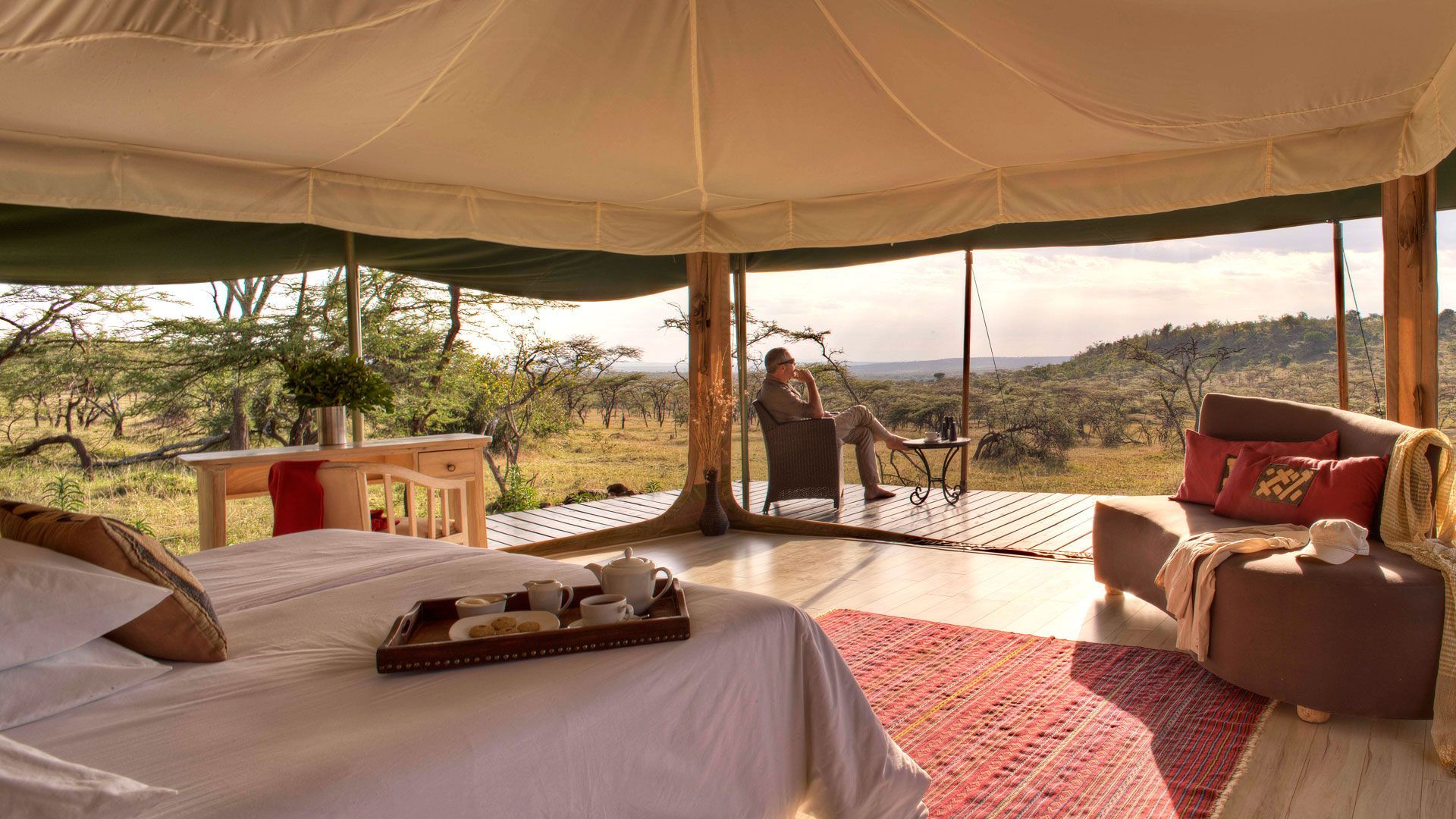
Kicheche Camps – Maasai Mara Conservancies
Kicheche operates a collection of small, low-impact camps across private conservancies bordering the Maasai Mara, setting a gold standard for ethical safari tourism.
Why it’s sustainably exceptional
- Located exclusively in wildlife conservancies, not overcrowded reserves
- Strict vehicle limits to reduce animal disturbance
- High guide-to-guest ratios
- Long-term conservation partnerships
Why it’s luxurious
- Intimate tented camps with refined comfort
- Outstanding guiding and walking safaris
- Private, uncrowded game viewing
Kicheche is perfect for travellers who value authenticity, privacy, and conservation-led travel.
Explore more with Jamie Wake Travel
We can combine Kicheche with other handpicked sustainable safari camps in Kenya, creating a seamless itinerary shaped around your interests and travel style.
Tanzania: Low-Impact Luxury in Iconic Landscapes
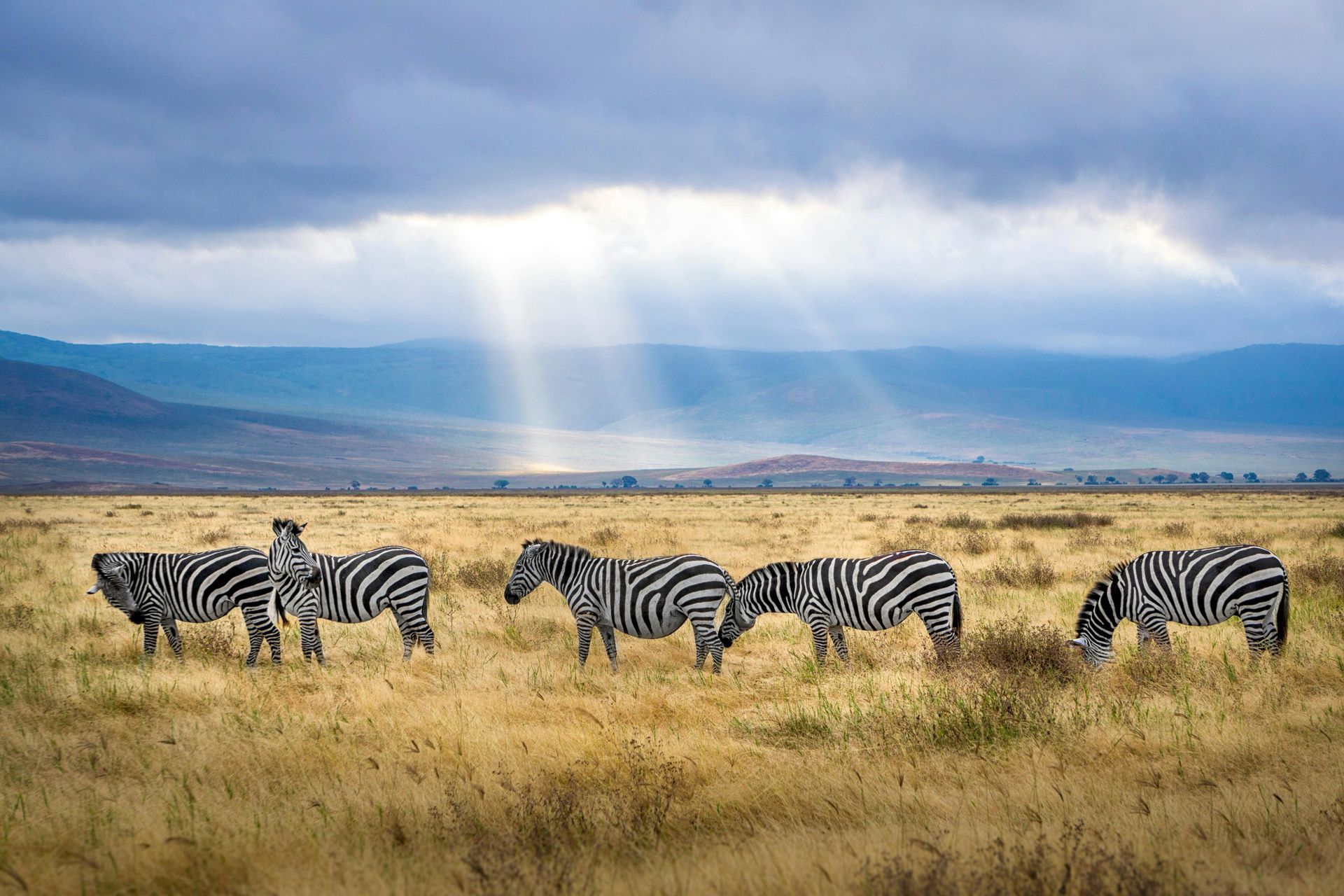
Tanzania delivers some of Africa’s most dramatic wildlife spectacles, and it does so increasingly through low-impact, high-value tourism. This makes it a natural choice for travellers seeking sustainable safari holidays without compromise.
What makes Tanzania stand out
- Remote camps with small guest numbers
- Conservation levies that fund habitat protection
- Deep integration with local communities
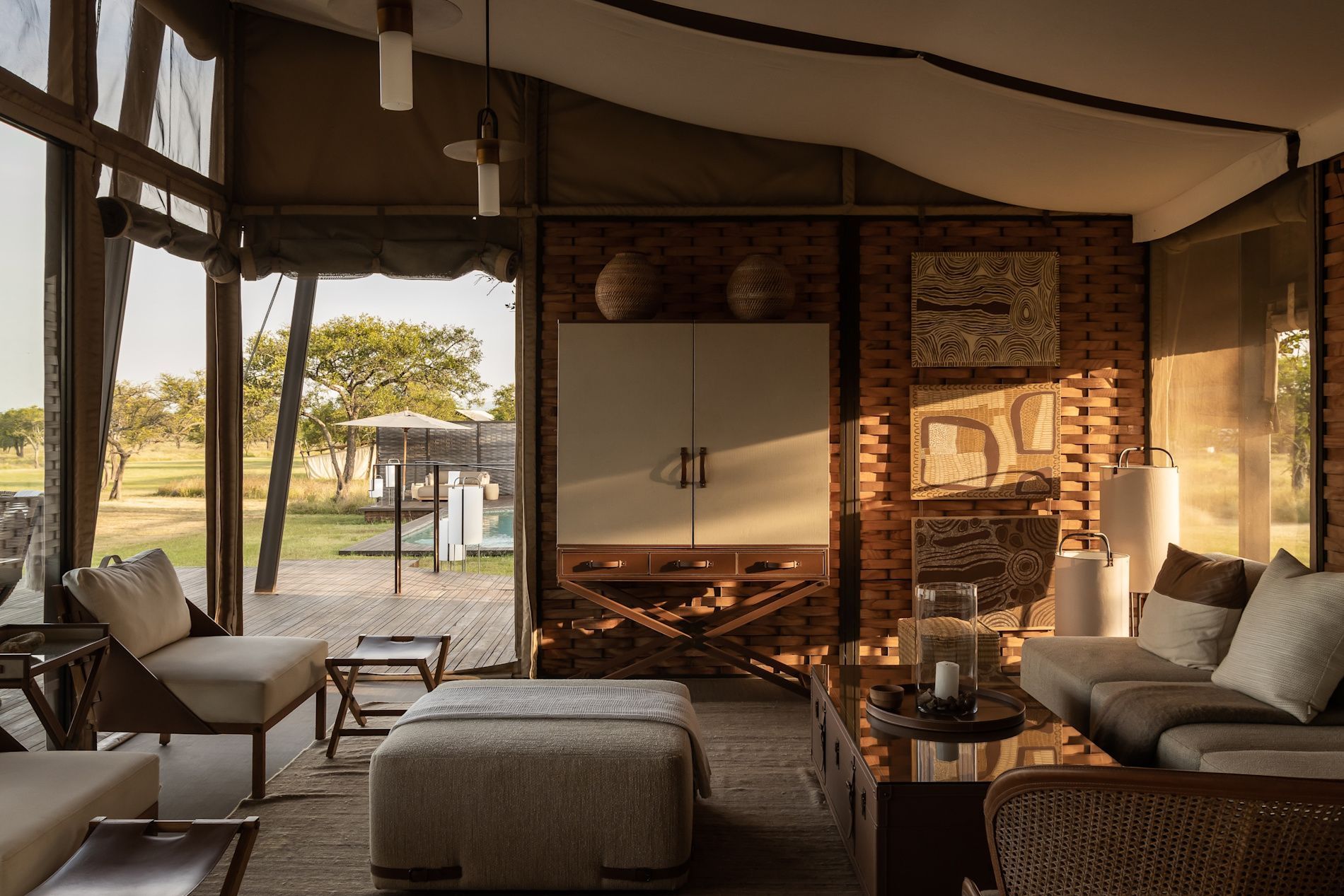
Singita Sabora Tented Camp – Serengeti
Singita Sabora blends old-world elegance with some of the most advanced sustainability practices in African tourism.
Why it’s sustainably exceptional
- Carbon-conscious operations across all Singita properties
- Significant funding for anti-poaching and biodiversity research
- Community development through education and enterprise support
- Minimal ecological footprint in a sensitive ecosystem
Why it’s luxurious
- 1920s explorer-style tented suites
- Exceptional guiding and wildlife access
- Fine dining and curated wine experiences
Singita Sabora is ideal for travellers who want heritage-style luxury with measurable conservation impact.
Explore more with Jamie Wake Travel
Singita properties can be combined across regions for a seamless, conservation-driven safari journey. We’ll help you choose the right mix to suit your pace and priorities.
Nomad Tanzania – Serengeti & Ngorongoro
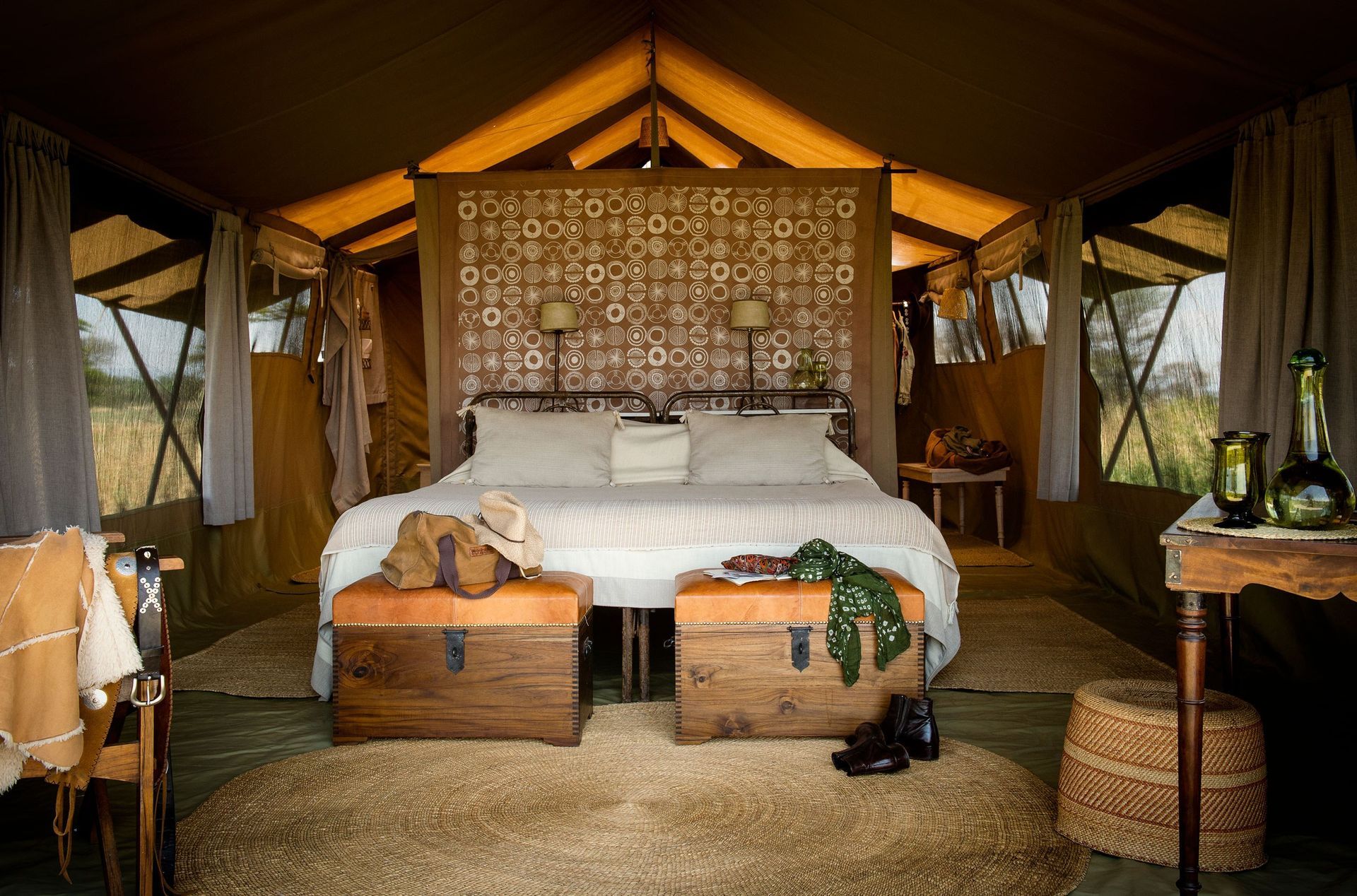
Nomad Tanzania is one of the most respected names in ethical safari travel, operating mobile and permanent camps that adapt to wildlife movement and minimise impact.
Why it’s sustainably exceptional
- Camps are fully removed at season’s end, leaving no trace
- Deep commitment to guide training and conservation education
- Strong partnerships with local communities
- Focus on conservation storytelling and awareness
Why it’s luxurious
- Stylish yet understated tented camps
- Exceptional guiding and immersive experiences
- Remote, crowd-free wildlife encounters
Nomad is perfect for travellers who want a genuine, soul-stirring safari experience grounded in ethics.
Explore more with Jamie Wake Travel
We regularly design bespoke itineraries using Nomad camps, pairing them with complementary lodges or beach stays to create balanced, high-end sustainable safari holidays.
South Africa: Effortless, Ethical Luxury Safari Holidays
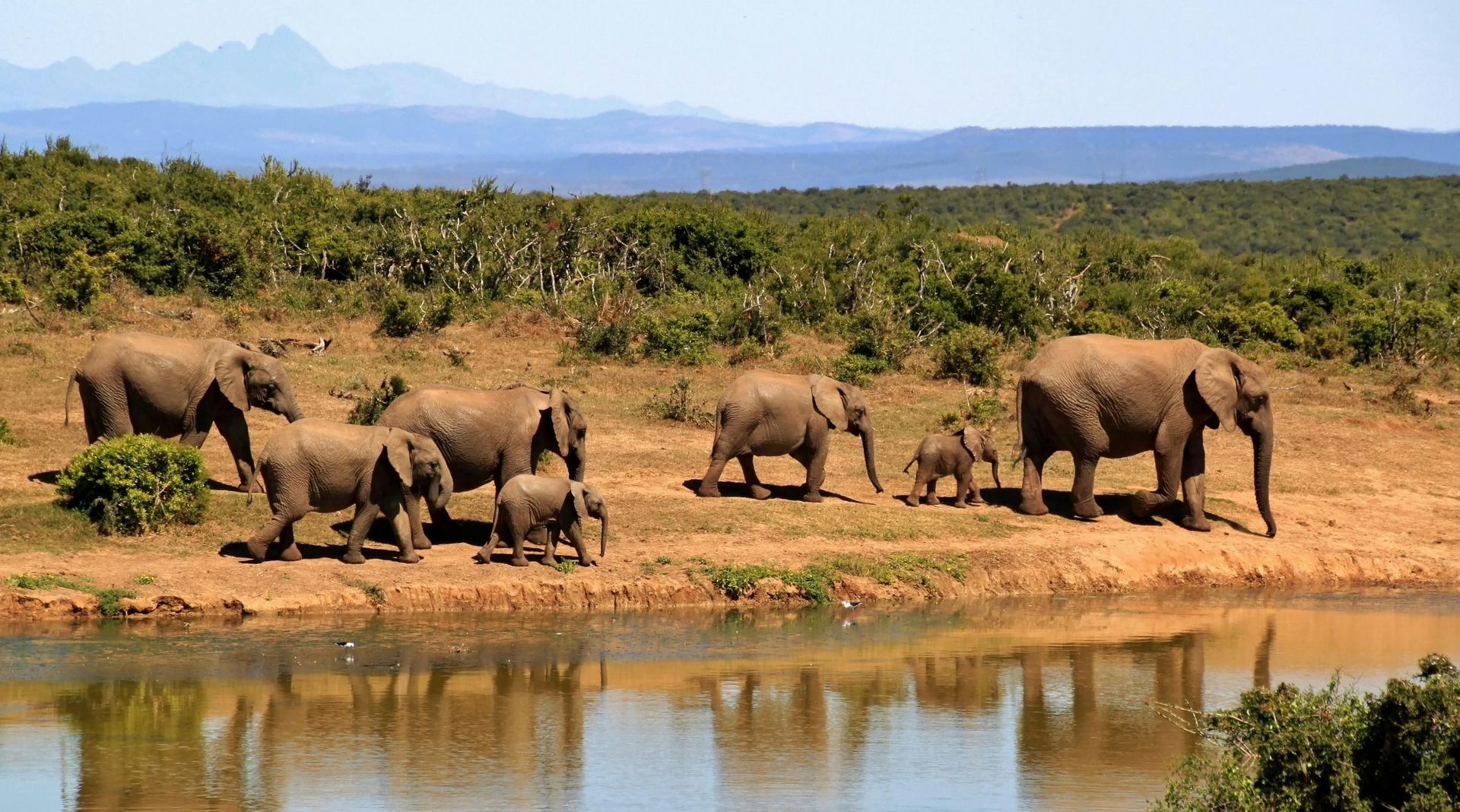
South Africa is one of the most accessible destinations for sustainable safari holidays, yet it delivers world-class wildlife and refined luxury. Private reserves bordering Kruger National Park lead the way in conservation, community uplift, and responsible tourism.
Why South Africa excels
- Strong conservation governance
- Community trusts funded by safari tourism
- Exceptional guide training and wildlife research
Londolozi Private Game Reserve – Sabi Sand
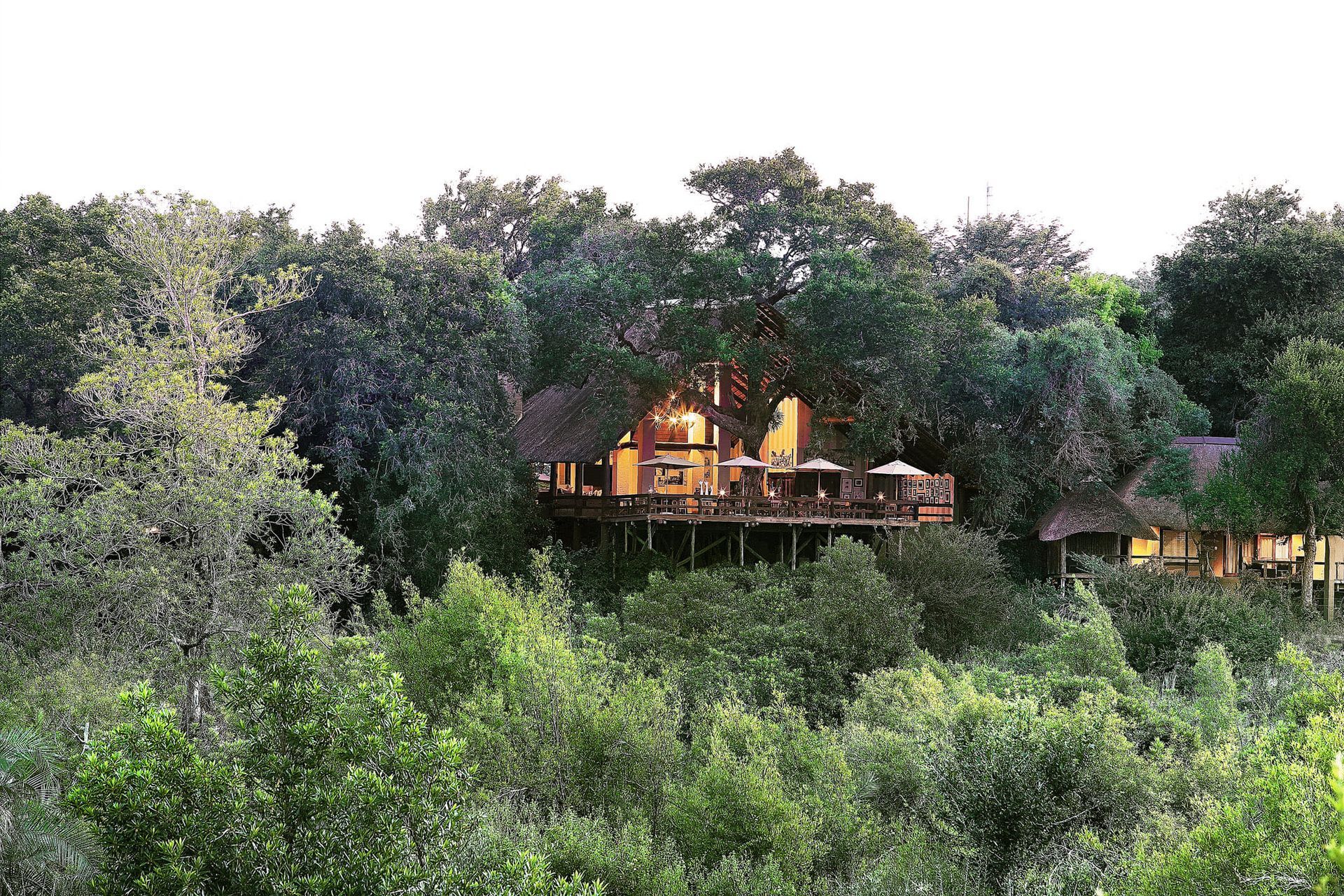
Londolozi is a pioneer of sustainable safari tourism, blending cutting-edge conservation with some of Africa’s finest lodges.
Why it’s sustainably exceptional
- Over 90 years of conservation leadership
- Solar power, water recycling, and waste reduction
- Community education and leadership programmes
- Leopard research that informs global conservation
Why it’s luxurious
- Elegant riverside lodges with private decks
- Exceptional guiding and photographic safaris
- Wellness experiences inspired by African traditions
Londolozi is ideal for travellers who want a meaningful safari with impeccable service and legacy-driven impact.
Explore more with Jamie Wake Travel
We can pair Londolozi with other private reserves or add Cape Town and the Winelands for a seamless, high-end South African journey.
Tswalu Kalahari Reserve – Northern Cape
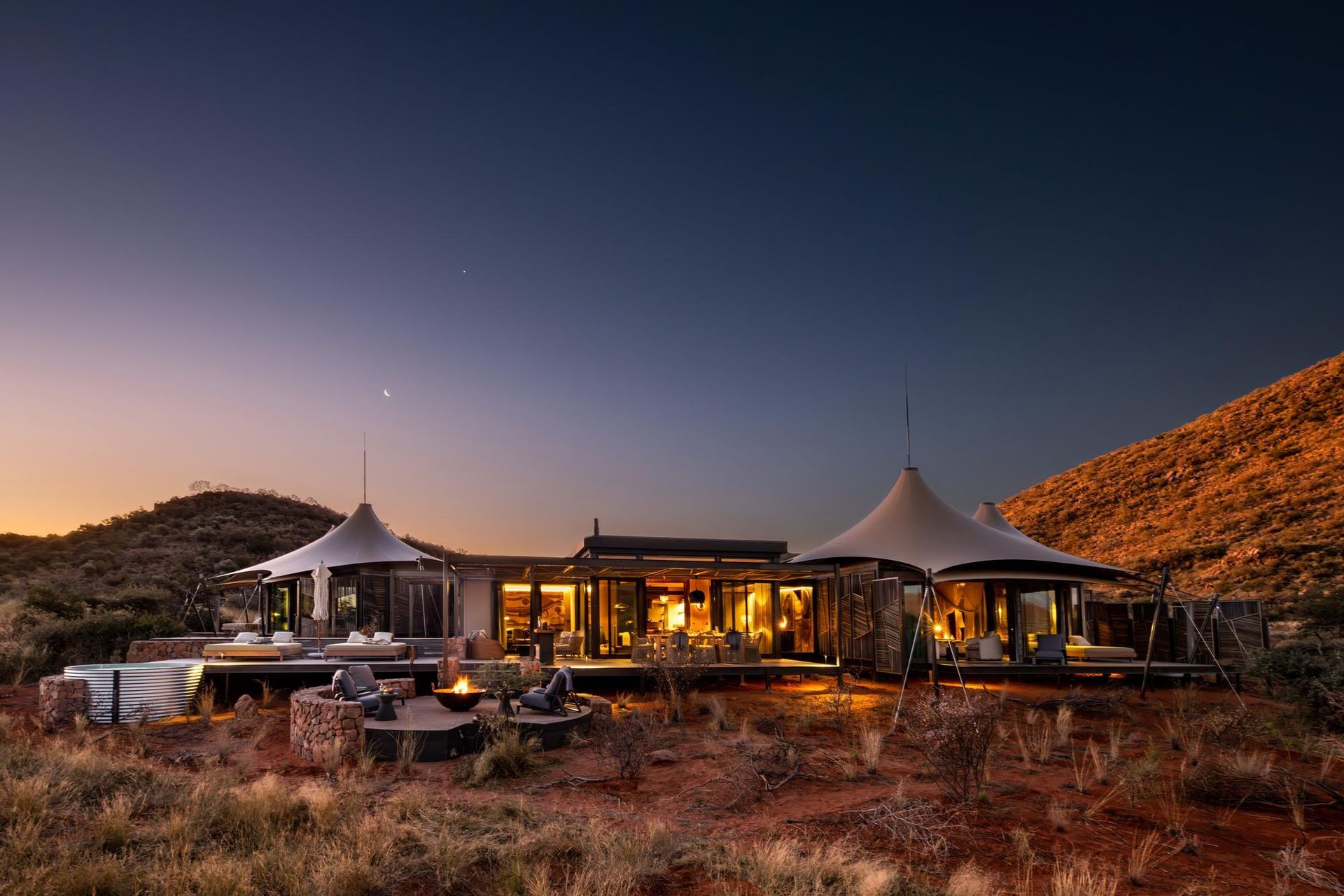
Tswalu offers a very different kind of safari — vast, soulful, and deeply sustainable.
Why it’s sustainably exceptional
- One of Africa’s largest private conservation areas
- Guests directly fund land restoration and wildlife reintroduction
- Strictly limited visitor numbers
Why it’s luxurious
- Exclusive-use vehicles and guides
- Bespoke dining in dramatic desert settings
- Deeply personal, unrushed safari experiences
Tswalu is perfect for travellers seeking privacy, purpose, and space.
Explore more with Jamie Wake Travel
We can integrate Tswalu into a broader South African itinerary or design a standalone safari focused on rare species and conservation storytelling.
Botswana: The Gold Standard for Sustainable Safari Holidays
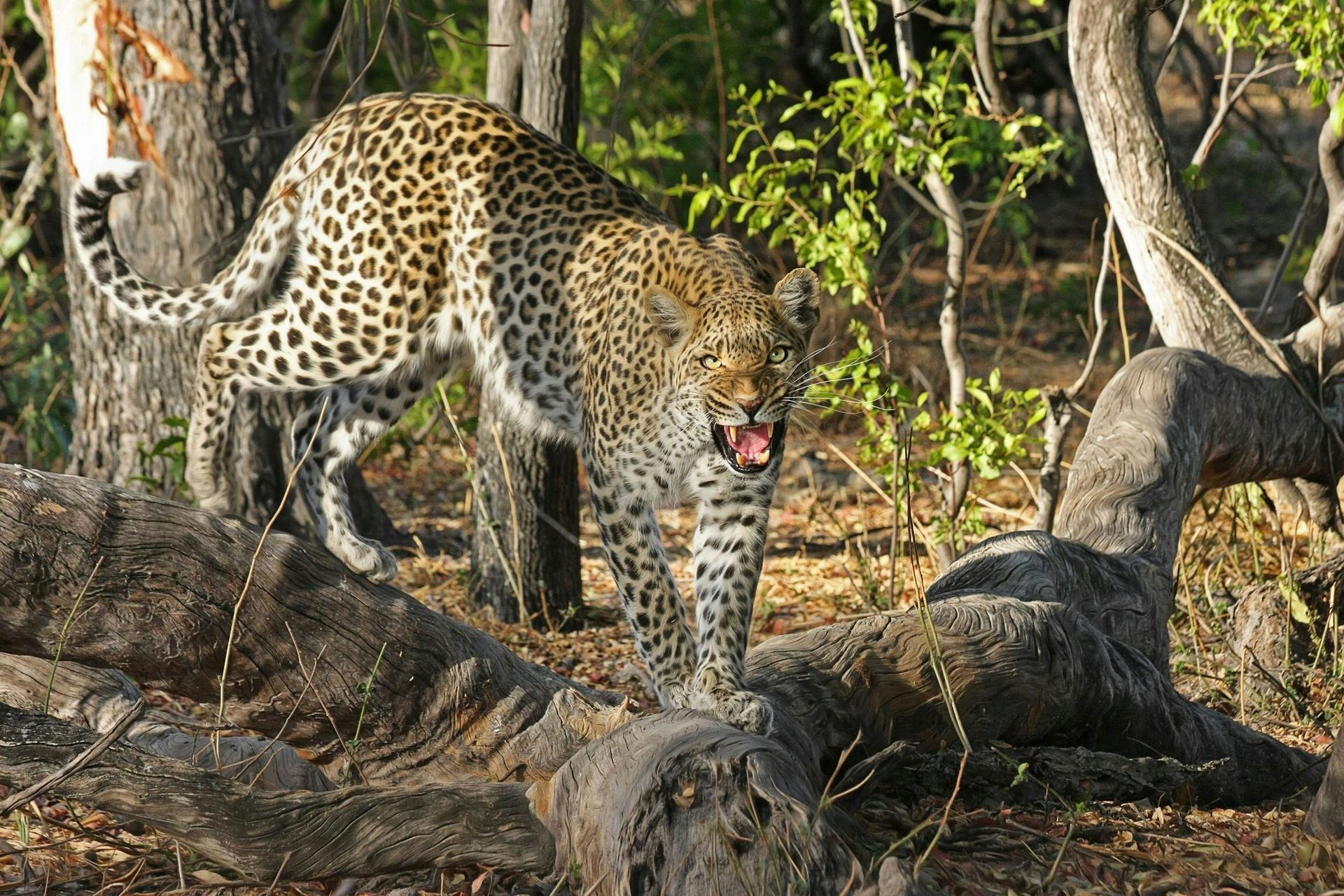
Botswana is often considered the benchmark for sustainable safari holidays. Its low-volume, high-value tourism policy ensures wildlife comes first — and travellers benefit from unmatched exclusivity.
Why Botswana stands apart
- Strict limits on visitor numbers
- Vast, untouched wilderness areas
- Strong conservation funding models
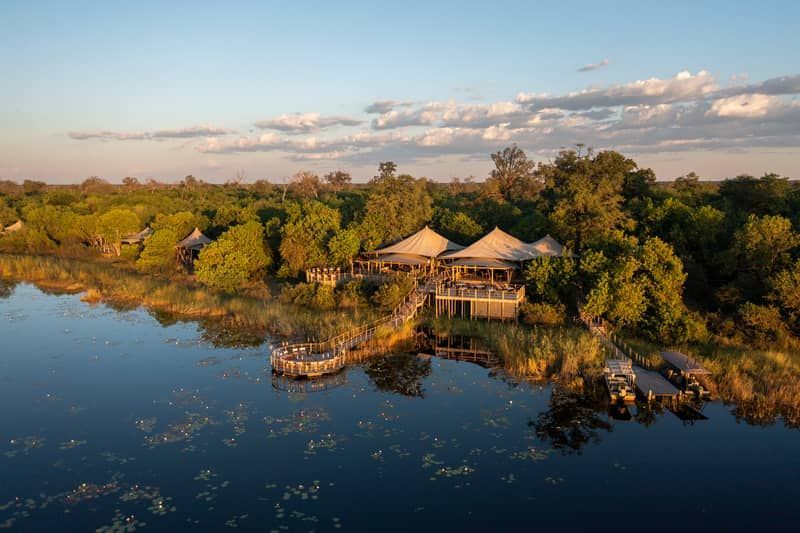
DumaTau Camp – Okavango Delta
Set on a prime wildlife corridor, DumaTau combines exceptional game viewing with sustainability leadership.
Why it’s sustainably exceptional
- Solar-powered operations
- Anti-poaching support and habitat protection
- Strong community employment initiatives
Why it’s luxurious
- Spacious suites overlooking floodplains
- Exceptional predator sightings
- Boat, land, and mokoro safaris
DumaTau is ideal for travellers who want classic safari drama with modern eco-luxury.
Explore more with Jamie Wake Travel
We can combine DumaTau with other Okavango camps for varied landscapes and activities, all designed around responsible travel principles.
Jack’s Camp – Makgadikgadi Pans
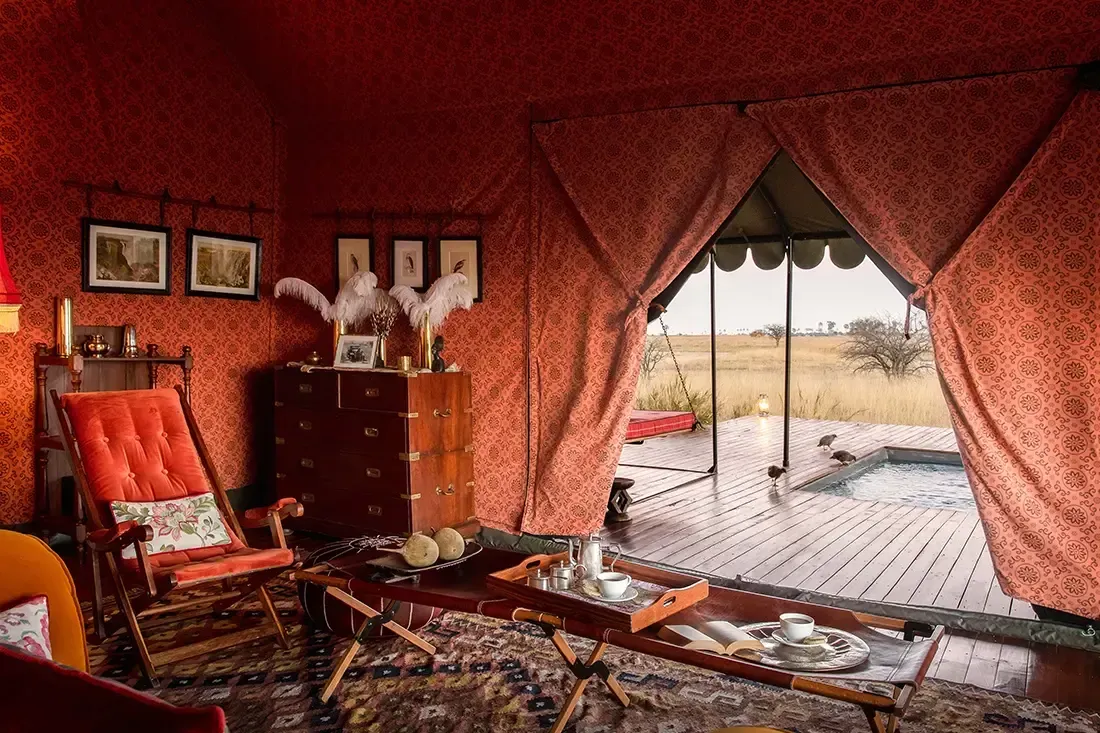
Jack’s Camp delivers one of Africa’s most distinctive safari experiences, rooted in conservation and cultural heritage.
Why it’s sustainably exceptional
- Preservation of fragile desert ecosystems
- Support for local San communities
- Conservation education through storytelling
Why it’s luxurious
- 1940s safari-style tents with refined comfort
- Meerkat encounters and quad-biking on salt pans
- One-of-a-kind atmosphere
Jack’s Camp is perfect for travellers who want something utterly unique.
Explore more with Jamie Wake Travel
This camp pairs beautifully with Okavango Delta lodges, creating contrast-rich sustainable safari holidays with real depth.
Many of the same standards apply to safari lodges too, which is why The Rise of Sustainable Luxury Hotels is helpful background reading when comparing sustainability claims.
Jamie Says:
“The best sustainable safari holidays aren’t about doing less — they’re about doing things properly. When you choose the right camps, guides, and conservation partners, luxury travel becomes a force for good. That’s where the real magic happens.”
Jamie Wake, Founder, Jamie Wake Travel

If you’d like inspiration on the most refined routes, camps and regions, our guide to The Ultimate Luxury Safari Experience is a brilliant next read.
How to Plan a High-End Sustainable Safari (Step by Step)
Planning sustainable safari holidays at the high end is about far more than choosing a destination and hoping for the best. The most rewarding safaris are carefully paced, ethically designed, and built around your personal priorities — not pre-packaged itineraries.
Here’s how to approach planning a truly exceptional sustainable safari.
1. Start With the Experience You Want — Not the Country
The biggest mistake travellers make is choosing a destination first. High-end sustainable safari planning should begin with the experience you want to have.
Ask yourself:
- Do you want dramatic Big Five game viewing or quieter, immersive wildlife encounters?
- Is photography a priority, or are you more interested in walking safaris and storytelling?
- Do you value privacy and exclusivity over ticking species off a list?
Different regions — even within the same country — deliver very different safari styles. Clarifying this early ensures your itinerary matches your expectations.
2. Choose Destinations That Support Low-Impact Tourism
Not all safari destinations are equally suited to sustainable travel. High-end sustainable safari holidays work best in regions that prioritise low guest numbers, conservation funding, and community ownership.
Look for destinations that offer:
- Private concessions rather than overcrowded national parks
- Clear conservation levies built into lodge pricing
- Strong relationships between lodges and local communities
This is why countries like Botswana, Kenya, Tanzania, and South Africa consistently feature in well-planned sustainable safaris — their tourism models actively support long-term protection.
3. Select Fewer Camps — and Stay Longer
Luxury safari travel is not about rushing between camps. In fact, sustainability and enjoyment often improve when you slow down.
A high-end approach means:
- Staying 3–5 nights per camp
- Choosing lodges that offer varied activities (game drives, walking safaris, cultural experiences)
- Reducing internal flights where possible
Longer stays allow you to connect with guides, understand animal behaviour, and experience the rhythm of the landscape — all while reducing your travel footprint.
4. Prioritise Camps With Proven Sustainability Credentials
True sustainability goes beyond marketing language. When planning sustainable safari holidays, it’s important to understand how a lodge operates.
Key indicators include:
- Renewable energy use and water management
- Employment and training of local staff
- Direct funding for conservation or anti-poaching initiatives
- Ethical wildlife viewing standards
The most responsible lodges are usually transparent about their impact — and proud of it.
5. Build an Itinerary That Balances Safari and Stillness
High-end safaris are as much about space and reflection as they are about wildlife.
A well-designed itinerary should include:
- Unstructured time to relax at camp
- Opportunities for cultural or conservation engagement
- Gentle transitions between regions or camps
This balance transforms a safari from a busy itinerary into a meaningful journey.
6. Consider the Best Season for Your Priorities
While wildlife is present year-round, timing matters.
- Dry seasons often offer easier game viewing
- Green seasons can be quieter, more affordable, and more atmospheric
- Some regions shine at very specific times of year
The “best” time is not universal — it depends on what you want to see, how you like to travel, and how flexible you are.
7. Work With a Specialist Who Understands Sustainable Safari Holidays
Finally, the most important step is choosing the right expert.
High-end sustainable safari planning requires:
- First-hand knowledge of camps and regions
- Trusted on-the-ground partners
- An understanding of logistics, seasons, and conservation realities
This level of planning ensures your safari is seamless, responsible, and genuinely memorable — rather than simply impressive on paper.
Booking Protections That Matter on High-End Safaris
Sustainable safari holidays often represent a significant investment — not just financially, but emotionally.
These trips involve remote camps, light aircraft, seasonal conditions, and specialist suppliers. That’s exactly why booking protection is not optional.
When you book through Jamie Wake Travel, you benefit from:
- ATOL protection on applicable flight-inclusive holidays
- Supplier Failure Insurance, protecting you if an accommodation or operator ceases trading
- Financial safeguards for deposits and final balances
- Clear, expert guidance if plans need to change
If a flight is delayed, a camp becomes inaccessible, or a supplier fails, you’re not left navigating complex international logistics alone. You have a UK-based specialist acting on your behalf.
For journeys of this scale and complexity, that reassurance is invaluable.
Why Jamie Wake Travel Is Trusted for Sustainable Safari Holidays
Sustainable safari holidays are not about choosing from a list. They are about designing the right journey, in the right way, with the right partners.
At Jamie Wake Travel, we combine:
- First-hand knowledge of Africa’s leading sustainable lodges
- Long-standing relationships with ethical safari operators
- An understanding of conservation, community impact, and logistics
- A genuinely personal approach to itinerary design
We take the time to understand how you want to travel — then create a safari that reflects that, down to the smallest detail.
From your first conversation to your return home, you’ll have expert support, honest advice, and complete reassurance.
You’re welcome to call us on 01495 400005, use our enquiry form, or explore our website’s search tool to begin shaping a holiday as unique as you are.