










Eco-Conscious Travel Trends for 2026
Eco-conscious travel trends are no longer niche. In 2026, they are shaping how holidays are planned, booked and experienced — especially for UK travellers who want to see the world without costing the Earth.
From rail-first journeys and regenerative tourism to eco-certified hotels and community-led experiences, eco-conscious travel trends are evolving fast. Travellers are asking smarter questions. Destinations are adapting. And travel companies are being held to higher standards than ever before.
This guide explores the most important eco-conscious travel trends for 2026, explains what they really mean in practice, and shows how UK travellers can turn good intentions into genuinely better holidays - without losing comfort, joy or adventure.
What eco-conscious travel really means in 2026
Eco-conscious travel in 2026 goes far beyond reusable bottles and towel-reuse cards.
At its heart, eco-conscious travel trends focus on impact, not image. Travellers are moving away from vague “green” claims and towards holidays that:
- Reduce environmental harm wherever possible
- Support local communities and economies
- Protect wildlife and cultural heritage
- Favour quality over quantity
- Make thoughtful choices around transport, accommodation and activities
This shift is partly driven by climate awareness, but also by values. Many travellers now want holidays that feel meaningful, not extractive.
According to insights from VisitBritain, UK travellers increasingly prioritise “travel for good” — experiences that balance enjoyment with responsibility.
That’s why eco-conscious travel trends for 2026 are less about perfection, and more about better decisions.
To understand how eco-conscious travel trends are reshaping holidays at every level, it helps to look at how sustainable travel is changing the industry.
Eco-conscious travel trends for 2026: what’s changing?
Rail-first planning becomes mainstream

Rail travel is no longer a compromise — it’s a feature.
One of the strongest eco-conscious travel trends for 2026 is rail-first trip planning, particularly from the UK to Europe. High-speed routes, sleeper trains and simplified booking platforms are making trains a realistic alternative to short-haul flights.
Why it matters:
- Trains produce significantly lower emissions than planes
- City-centre arrivals reduce transfers and congestion
- The journey becomes part of the holiday
Popular rail-friendly trips include Paris, Amsterdam, Switzerland, northern Italy and even parts of Spain when combined with overnight trains.
Fewer trips, longer stays

Rather than squeezing in multiple short breaks, travellers are choosing longer, slower holidays.
This eco-conscious travel trend reduces transport emissions while delivering richer experiences. Staying longer in one place allows travellers to:
- Use local transport
- Shop locally
- Form real connections with communities
It’s also less stressful — a major bonus in 2026.
Regenerative travel moves from buzzword to benchmark

Regenerative travel goes beyond “doing less harm”. It aims to leave places better than they were before.
In 2026, eco-conscious travellers are looking for:
- Hotels that restore habitats
- Tours led by local guides
- Projects that fund conservation or education
The key shift? Regeneration is being measured, not just marketed.
Many of today’s most desirable stays are sustainable luxury hotels, proving that comfort, design and responsibility can go hand in hand.
Eco-certified accommodation becomes the norm

One of the clearest eco-conscious travel trends for 2026 is the rise of verified eco-credentials.
Travellers are learning to look for recognised certifications rather than vague claims. These often assess:
- Energy and water use
- Waste management
- Employment practices
- Community impact
Hotels without proof are increasingly being questioned — and avoided.
In 2026, travellers are increasingly prioritising eco-friendly hotels and resorts that can prove their sustainability credentials rather than relying on vague green claims.
Community-led tourism takes centre stage

Experiences designed with communities, not for tourists, are gaining ground.
This trend includes:
- Local-owned accommodation
- Cultural workshops run by residents
- Small-group tours with local guides
It keeps money in the destination and offers travellers deeper insight.
Jamie Says:
“Eco-conscious travel trends aren’t about guilt. They’re about smarter choices that usually lead to better holidays. Slower journeys, better food, deeper experiences — that’s a win for travellers and destinations alike.”

Wildlife experiences face tougher scrutiny

Eco-conscious travel trends in 2026 draw a firm line between conservation and exploitation.
Travellers are turning away from:
- Animal selfies
- Performative shows
- Unregulated sanctuaries
Instead, ethical wildlife experiences focus on observation, education and habitat protection.
Food becomes a sustainability decision

Food is now central to eco-conscious travel.
Key trends include:
- Farm-to-table dining
- Seasonal menus
- Low-waste and refill culture
For travellers, eating locally isn’t just greener — it’s tastier.
Tech supports smarter sustainability

Technology is quietly powering eco-conscious travel trends behind the scenes.
In 2026, responsible tech use includes:
- AI-assisted itinerary planning to reduce unnecessary travel
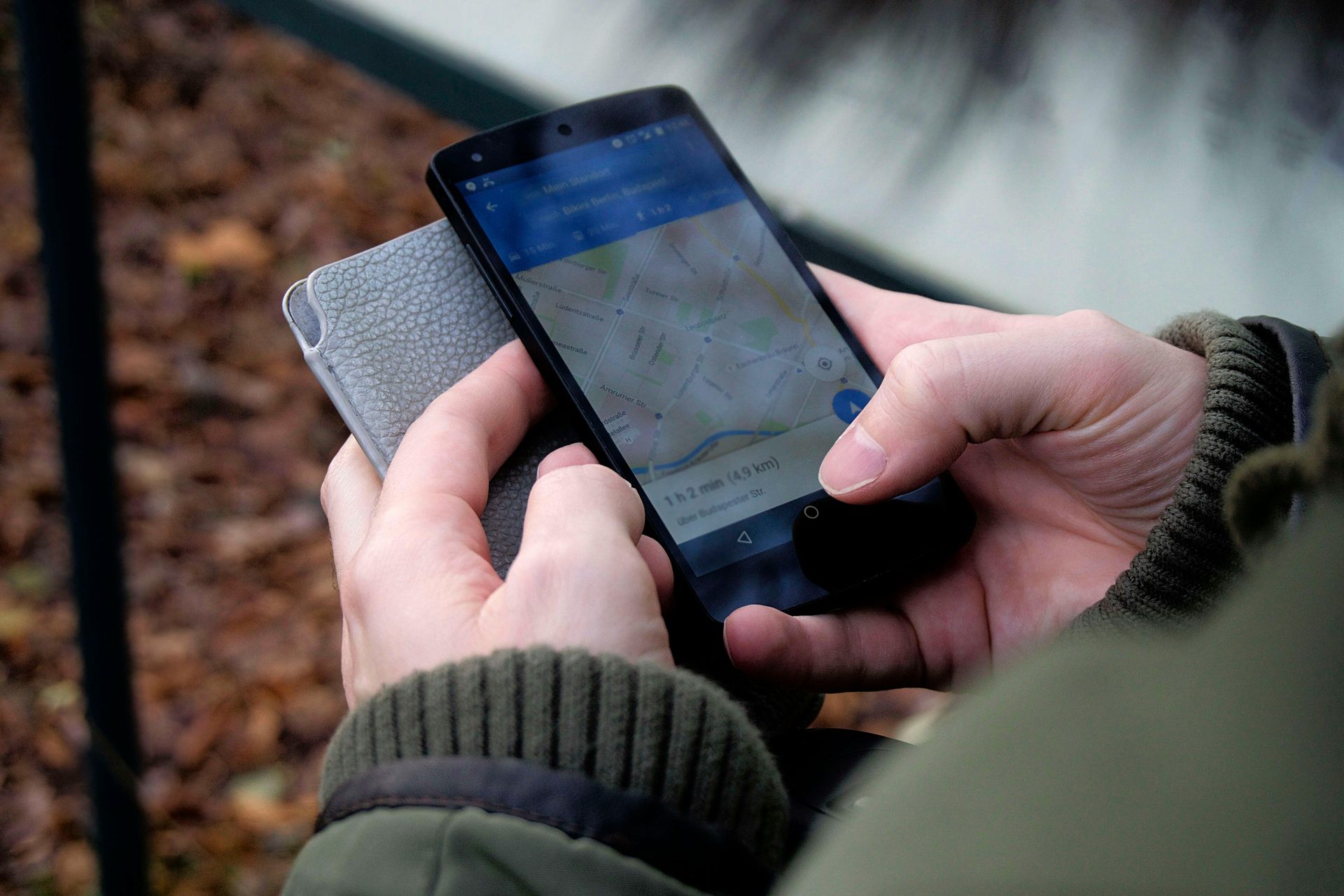
- Apps showing real-time public transport options
- Digital documentation to cut paper waste
The focus is efficiency, not excess.
Shoulder-season travel grows in popularity

Travelling outside peak months is one of the simplest eco-conscious choices.
Benefits include:
- Lower pressure on destinations
- Better prices
- Cooler temperatures
- More authentic experiences
This trend is especially strong for UK travellers heading to southern Europe.
Eco-conscious travel for UK travellers: practical examples
Eco-conscious travel trends only matter if they work in real life.
For UK travellers in 2026:
- UK breaks: Rail-accessible national parks, eco-lodges, low-impact coastal stays
- Europe: Train-first itineraries, city-to-city routes, ferry connections
- Long-haul: Fewer flights, longer stays, direct routes where possible
It’s about choosing the best available option, not the perfect one.
How to avoid greenwashing: a simple checklist
Not all “eco” holidays are created equal. To avoid greenwashing, ask:
- Is there a recognised certification?
- Are claims specific or vague?
- Is local employment mentioned?
- Does the company publish measurable actions?
If information is hard to find, that’s often the answer.
For travellers wanting real-world inspiration, our guide to sustainable hotels you need to know highlights properties setting genuine benchmarks for responsible travel.
Quick-start eco-conscious travel checklist
If you only do five things:
- Travel less often, stay longer
- Choose rail or direct routes where possible
- Book certified accommodation
- Support local businesses
- Ask questions — and trust transparent answers
Small changes add up.
While this guide focuses on eco-conscious travel trends, our wider overview of the Top Travel Trends 2026 shows how sustainability now underpins almost every major shift in how people travel.
Booking with confidence: protection still matters
Eco-conscious travel should never mean sacrificing security.
When booking holidays in 2026, look for:
- ATOL protection
- Supplier Failure Insurance
- Clear booking terms
- Financial safeguards
Responsible travel includes protecting your investment.
Why plan eco-conscious travel with Jamie Wake Travel?
Eco-conscious travel trends for 2026 can feel overwhelming. That’s where expert guidance matters.
Jamie Wake Travel helps you:
- Cut through greenwashing
- Find genuinely responsible options
- Balance sustainability with comfort and value
- Book with full financial protection
Every holiday is designed around you — using our search tools and expert insight to create trips as unique as you are.
You can call 01495 400005, make an enquiry online, or simply explore what’s possible with a conversation. Thoughtful travel starts there.
Send an Enquiry
We will get back to you as soon as possible.
Please try again later.
Frequently Asked Questions: Eco-conscious Travel Trends
Is eco-conscious travel more expensive?
Not always. Longer stays, shoulder seasons and rail travel can reduce costs.
Do carbon offsets actually help?
Offsets are a last step. Reducing emissions first is more effective.
How can I check if a hotel is genuinely sustainable?
Look for recognised certifications and detailed sustainability reporting.
What is regenerative travel?
Travel that actively improves environments and communities.
What’s the most eco-friendly way to travel from the UK to Europe?
Train or ferry-train combinations where possible.
Can families travel more sustainably?
Yes — slower travel and apartment stays work especially well.
Are eco-lodges always basic?
No. Many offer high comfort with low impact.
How do I avoid greenwashing when booking?
Ask specific questions and look for measurable actions.
Are cruises compatible with eco-conscious travel trends?
Only smaller, well-regulated options with clear environmental policies.
What eco-change makes the biggest difference?
Travelling less often but staying longer.